Aoun draws red lines in first-year address, rejects compromise and warns against return to war


شارك على
 مسنجر
مسنجر
 واتساب
 ثريدز
ثريدز
 بريد إلكتروني
 الطباعة
شارك على


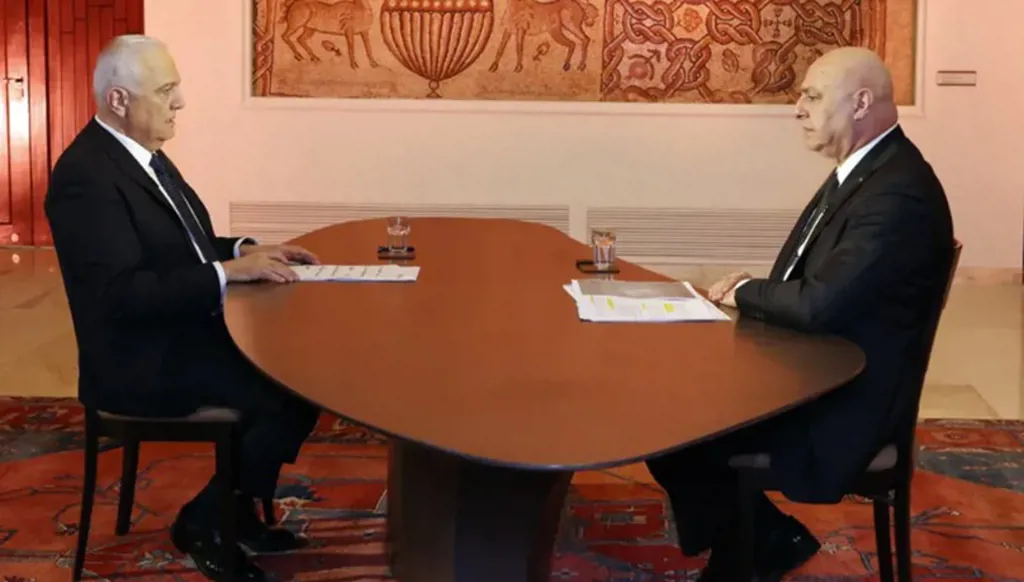


In his televised appearance marking one year since his presidency, President Joseph Aoun demonstrated that he has not retreated from his inaugural speech nor made any compromises, contrary to what has been widely circulated in recent weeks. It had been suggested that the prime minister now stands alone in confrontation amid declining presidential support, governmental division, and attempts by the speaker of parliament to besiege him.
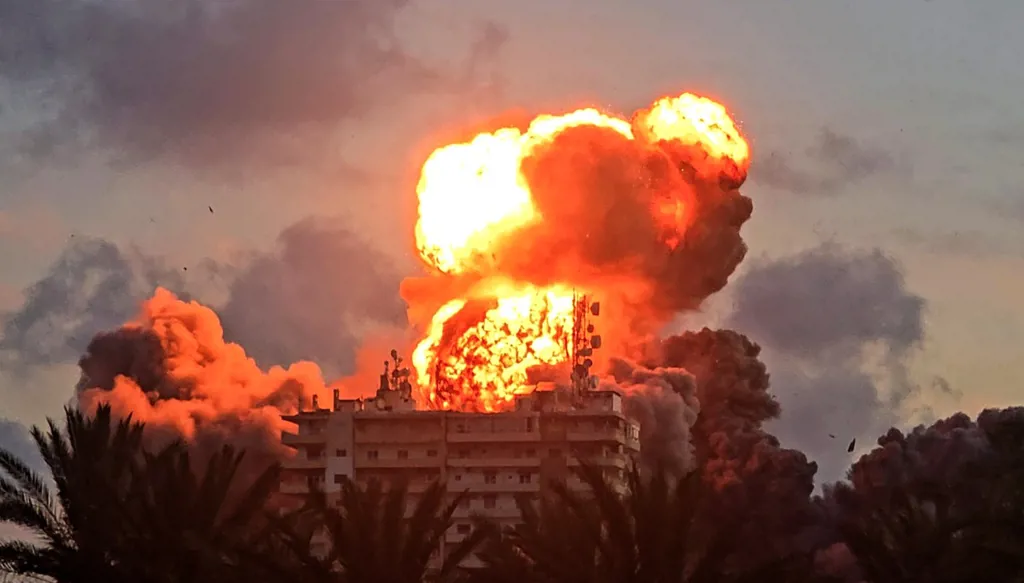
President Aoun sought to refute this narrative, reaffirming his positions on “controversial” issues that cannot be compromised, stressing that any retreat would negate all achievements and return the country to square one, exposing it once again to the risk of open warfare and a deepening economic and financial siege.
The president is fully aware that any compromise would effectively end his term in its first year - a lesson made clear by the experience of the previous presidency. Former President Michel Aoun spent much of his tenure almost isolated in Baabda Palace, with limited effectiveness or influence over events. Even more restrictive was the experience of President Emile Lahoud during the period of Syrian tutelage and the extension of his mandate.
In the interview marking one year since his election, several key points stood out: First, President Aoun broke the silence and dispensed with diplomatic language, speaking plainly on contentious and divisive issues.
He stated clearly: “This weapon has lost its role. And I will go further: if some believe the weapon can deter Israel, ensure withdrawal, and prevent aggression, I am with them. But its continued presence has become a burden on its own environment and on Lebanon as a whole.”
It is well known that the weapons issue remains the primary international concern regarding Lebanon, even more so than reform demands in areas such as smuggling prevention, money laundering, and the protection of Western interests - all of which are prioritized over internal national reform.
Second, the president appeared firm on the Palestinian weapons file, revealing that he informed Hamas that any military activity would result in the deportation of its members. This kind of warning would have been unthinkable in the past, even when the Lebanese Army’s intelligence directorate repeatedly raised concerns with Palestinian officials. He noted that weapons had already been removed from several camps and that the process is ongoing. “We have dismantled illegal camps such as Qusaya and Naameh, which were training camps,” he said, adding that the army is imposing a security cordon around these areas as much as possible.
Third, some believe Aoun distributed his positions in a way designed to please everyone. In reality, his role obliges him not to take an absolute stance against any Lebanese faction, as that would undermine his function as a mediator. He addressed reconstruction, prisoners, the return of displaced people, anti-corruption efforts, and security - issues Lebanese citizens are eager to see resolved. He also sent a reassuring message to displaced southerners, saying: “To whom do the demolished houses belong? To the Lebanese. The burned lands are Lebanese. Who is responsible? The state. When the state was absent in the past, it opened the door for parties and militias. Today, the state embraces its citizens, regardless of the reasons. They are Lebanese, and we are obligated to them. No one has the right to do this except the Lebanese state.”
Fourth, the president has opened the door for Hezbollah to reintegrate into the state and its institutions. He fully understands the defeats suffered by the axis linked to the party, the heavy losses, and the price paid in cadres, stockpiles, and capabilities - all of which make transformation inevitable. This is a complex and difficult process for a movement whose identity has long been tied to arms and resistance. The president, alongside the international community, appears intent on supporting this transition, recognizing that eliminating the party is unrealistic and that gradual disarmament requires a political framework leading toward full political engagement. He said: “It’s time for you to be sensible. Either you are truly part of the state or you are not. You have ministers and deputies within the state. Place your hands in the hand of the state, and it will ensure your protection.”
Fifth, he reaffirmed his commitment to the constitution, rejecting any notion of extension or renewal, even at this early stage, and denying any intention to form a parliamentary bloc. He stated: “I have no political party, and I do not aspire to continue in political life after five years. My ambition is to return to my village. My role in the parliamentary elections is to ensure they are held on time, constitutionally sound, secure, and transparent. By January 9, 2031, God willing, I will be at home with a new president assuming the task.”
Sixth, President Aoun clarified his position on war, peace, and negotiation, which he said has already entered its initial phase. He asked: “What are our options? The three tools of politics: diplomacy, economics, and war. We tried war - what was the result? Should we remain spectators without taking any step? If we do nothing, we have zero percen
t chance of progress. If we pursue diplomacy, we have a fifty percent chance. So why not try? Is war necessary? We are done with war. This is the nature of politics in the world.”
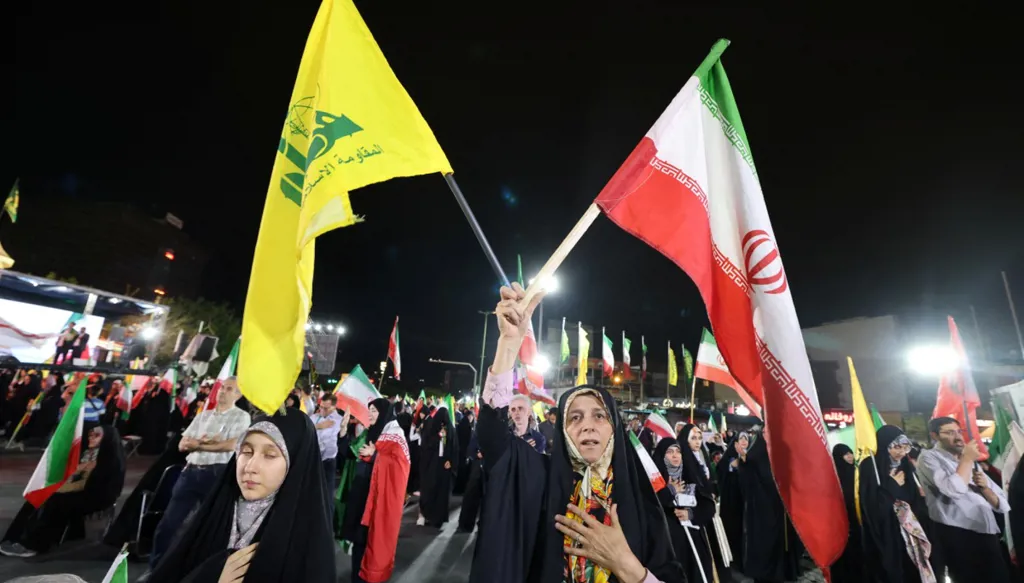
Some criticism emerged yesterday on social media from the party’s base, though it does not reflect an official position. While the leadership was displeased with the term “armed groups” used in an army statement days ago, it is unlikely the party seeks confrontation with the president and is expected to handle the interview without open hostility.
Disclaimer: The opinions expressed by the writers are their own and do not necessarily represent the views of Annahar

العلامات الدالة
الأكثر قراءة