Israel on alert as Iran faces widening protests


شارك على
 مسنجر
مسنجر
 واتساب
 ثريدز
ثريدز
 بريد إلكتروني
 الطباعة
شارك على


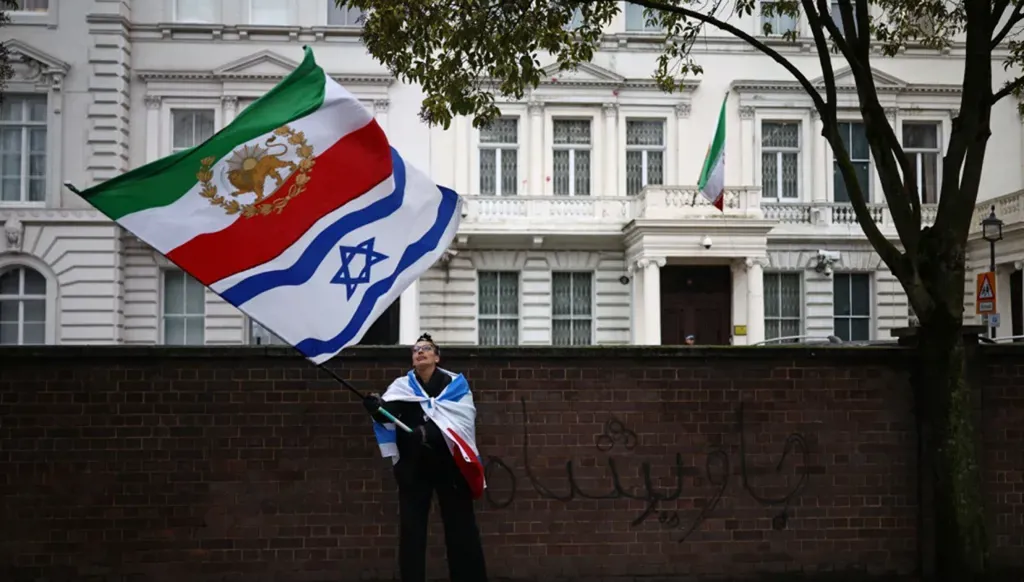


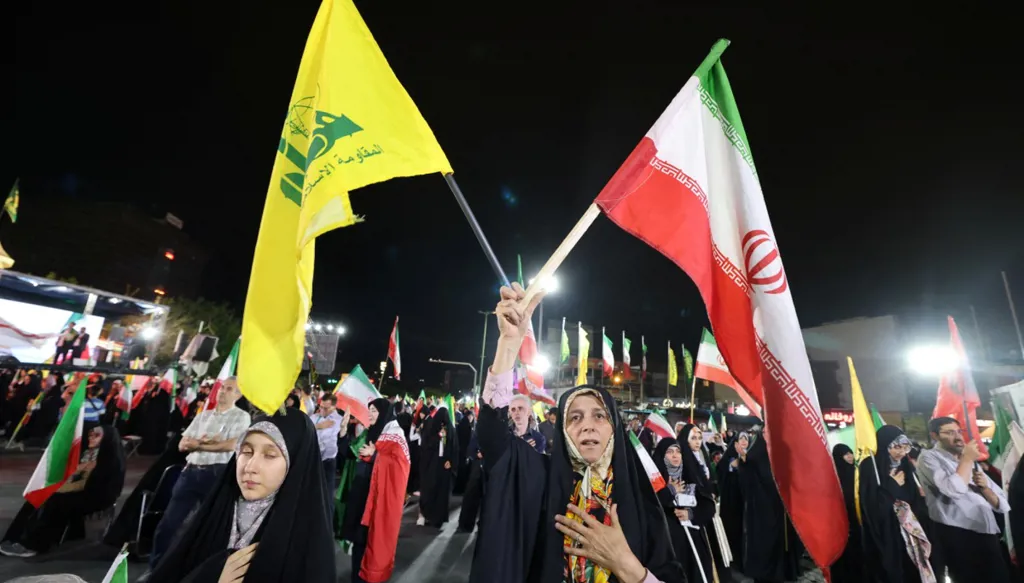
Israel is closely monitoring developments in Iran with a state of alert. Two weeks after protesters took to the streets to protest rising living costs, Israeli assessments indicate that the protests are expanding and threatening the regime’s stability, with participation increasing to more than one million people.
The central point at this stage is to avoid sliding into miscalculation, escalation, or direct confrontation, amid a belief that some party is managing the protests from behind the scenes in a way that allows them to spread and coordinate across different regions. According to Israel’s “Channel 12,” citing an Israeli official, the public messages issued by U.S. President Donald Trump are having a real impact inside Iran and contributing to fueling the protests. The U.S. administration has reportedly held preliminary meetings to discuss ways to support the demonstrators, including cyberattacks and psychological influence operations against the regime.
On the other hand, Israel has no indication that Tehran is seeking to divert attention toward it or escalate against it. Therefore, Tel Aviv currently prefers to remain on the sidelines and leave Washington at the forefront of managing the situation.
Public Incitement
There is a gap between field data pointing to protests rooted in accumulated economic backgrounds and non-unified geographical spread, and Israeli coverage that quickly shifts the event from economy to politics and from protest to talk of regime weakening or nearing a point of collapse.
The Israeli narrative focuses on presenting the protests as a comprehensive political indicator that is leveraged internally and externally, especially in addressing the United States and Western capitals, while highlighting the contrast between public media incitement and security and intelligence caution in assessments.
It remains unclear whether the broad participation will succeed in shaking the pillars of a regime that uses severe repression, including threats of death sentences. However, neither Israel nor the United States has so far stated how willing they are to pursue any escalatory scenario.
For their part, Israeli media outlets, particularly on the Telegram app, are spreading headlines about hundreds of deaths and thousands of injuries, and about snipers on rooftops, in accounts that are difficult to verify on the ground.
While Israeli intelligence services are closely monitoring internal developments in Iran and their potential impact on the regime’s future, discussions are taking place in the United States about its readiness to help Iranians “achieve their freedom.” In this context, Israeli sources close to decision-making circles have hinted at a possible imminent U.S. attack on Iran, although such assessments do not appear realistic at this stage.
Israeli Preparations
Israeli media reported unusual activity within the security services, including the urgent summoning of several senior army officers to the Defense Ministry headquarters in Tel Aviv, as part of efforts to compile an accurate intelligence and operational picture to monitor developments in Iran and assess their implications for Israel and the region.
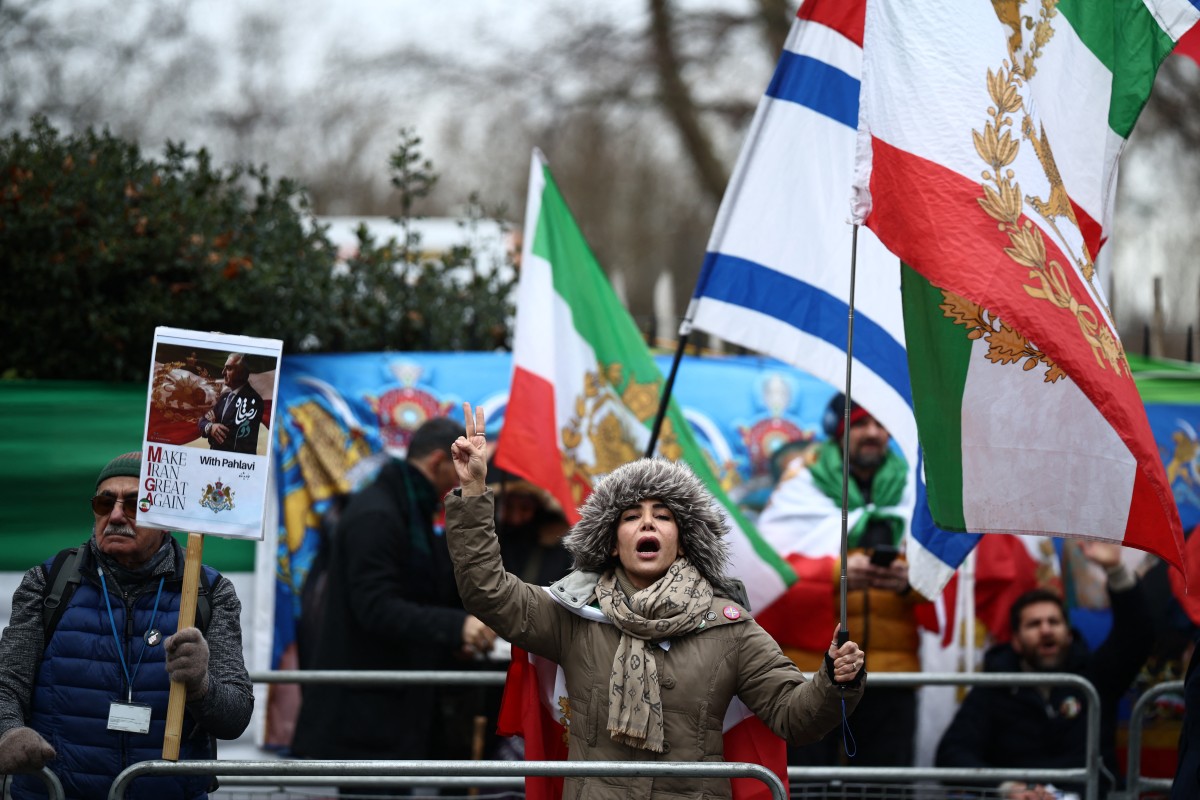
The newspaper Yedioth Ahronoth said that Israel is following the situation in Iran with high focus, while experts on Iranian affairs believe that the opportunity is ripe for Iranians to topple the regime, given the scale of the protests, their geographic spread, and their boldness in breaking the barrier of fear. They point to the emergence of a symbolic leadership represented by the exiled Crown Prince Reza Pahlavi, who addresses the protesters from abroad with a discourse that goes beyond reform and openly calls for overthrowing the regime.
The newspaper quoted a senior Israeli official saying that calls to restore the monarchy have become “unprecedented” in major religious cities such as Mashhad and Qom, reaching small towns, despite the difficulty of predicting outcomes “under a regime that does not hesitate to use violence.”
Israeli experts estimate that the expanding unrest raises the chances of the regime committing miscalculations, which explains the caution in official statements.
Researcher Raz Zimmt from the Institute for National Security Studies described what is happening as “the most dangerous threat to the regime” since 1979, noting that the protest movement “has become broad and no longer containable by traditional methods.” Military analyst Amos Harel from the newspaper Haaretz argued that Trump places regime change in Iran at the top of his priorities, which could restrict Israel’s freedom of action. Despite the difficulty of predicting outcomes, "the regime is facing the most dangerous test in its history."
He added that the collapse of the fear barrier "remains undecided," as the protests fate depends on the security forces response and the international, especially the American, position. He highlighted that the regime's weakening grip has been evident in recent years through concessions, such as easing restrictions on women's dress codes.
While Supreme Leader Ali Khamenei continues to refuse concessions on the nuclear file, the internal crisis may push him to “reconsider his stance to ease economic pressures.” But the question remains: will Washington accept that if the prospect of regime change appears on the horizon, Harel asks.
For his part, retired Major General Eliezer Marom warned, in an interview with Radio 103 FM, that the fall of the regime could lead to the establishment of a military rule led by the Islamic Revolutionary Guard Corps, cautioning against a phase of chaos similar to Syria. He estimated that instability makes it harder for Iran to launch missiles, due to logistical and operational complications.
Marom called for avoiding haste in attacking Iran, arguing that the closer threats, especially in Lebanon, Syria, and Gaza, should remain at the top of the priorities, explaining: “If we are going to deal with Iran, it would be right to start with Lebanon first.”
Disclaimer: The opinions expressed by the writers are their own and do not necessarily represent the views of Annahar

العلامات الدالة
الأكثر قراءة