A regional fault line: How Iran’s turmoil is driving Israel’s escalation in Lebanon


شارك على
 مسنجر
مسنجر
 واتساب
 ثريدز
ثريدز
 بريد إلكتروني
 الطباعة
شارك على


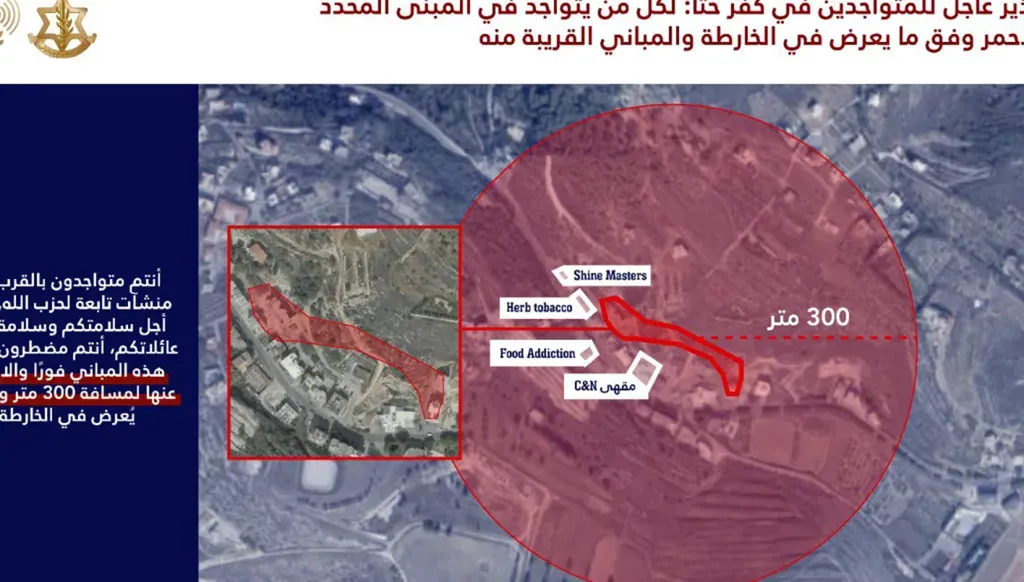


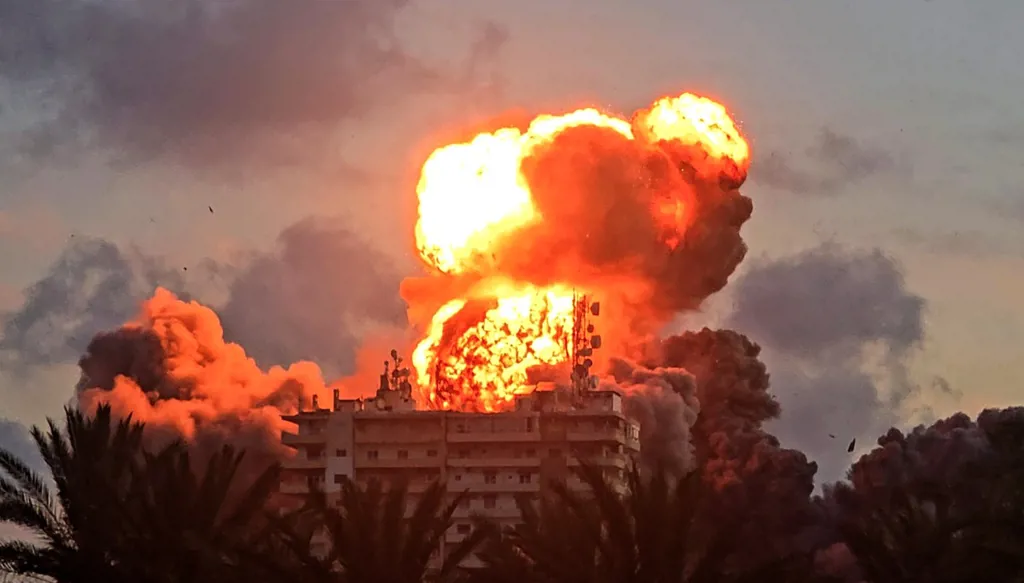
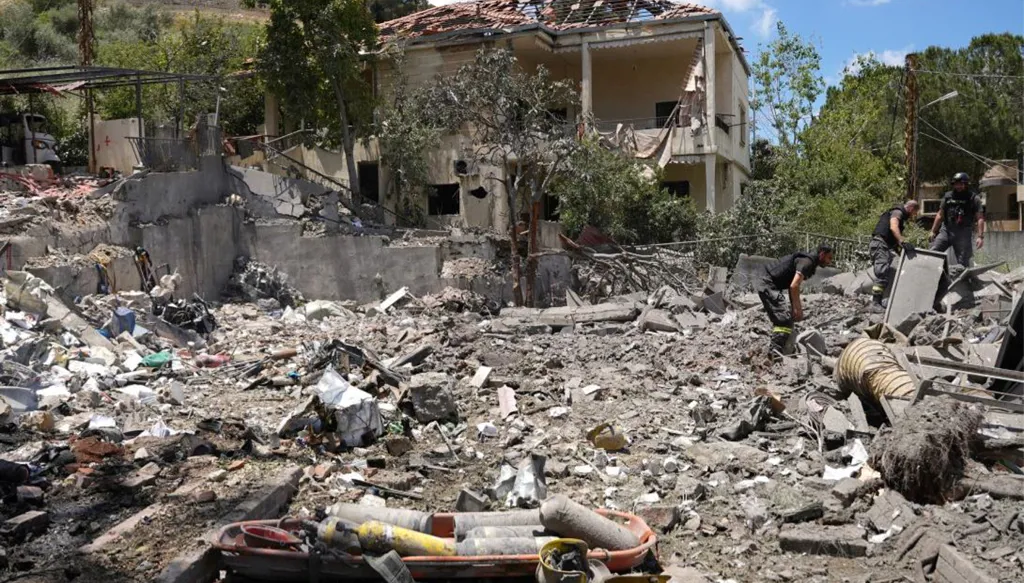
Washington is pressing to complete the second phase of disarmament amid signs that Israel has decided to escalate against Hezbollah, questioning the effectiveness of the Lebanese army’s actions south of the Litani River and viewing its measures as insufficient to prevent the group from rebuilding its strength.
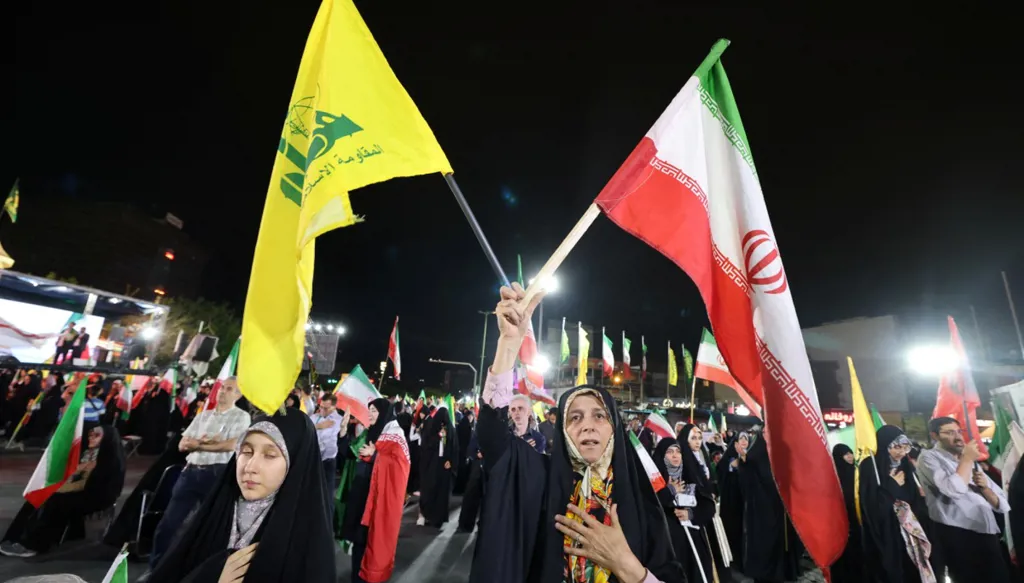
However, Israel’s threatened war has become increasingly tied to developments in Iran, even as it continues its aggression by keeping Lebanon a theater for its operations. While expectations initially pointed to possible Israeli strikes on Tehran alongside similar actions against Hezbollah, these moves have been postponed by a U.S. decision pending the outcome of popular unrest in Iran. Washington has tightened its grip on Tehran following the Venezuela operation and is pressing the Iranian regime to make concessions and reach an agreement on American terms. Failing that, the situation appears to be heading toward confrontation. Accordingly, the Israeli escalation against Hezbollah cannot be separated from developments in Iran. At the same time, the Lebanese state is awaiting the party’s position in light of potential shifts on the Iranian front—whether it will be persuaded to go along with the disarmament plan or choose to link its fate to Iran’s trajectory, which appears the more likely course, despite the risks this gamble carries in exposing the entire country to a broad Israeli escalation.
Amid these developments, Lebanon remains positioned along Iran’s seismic fault line, exposed to the threat of an Israeli war while facing U.S. pressure to curtail Hezbollah’s influence and move toward direct negotiations with Israel. As international envoys—particularly Europeans—continue to flock to Beirut, France’s supportive stance toward Lebanon has stood out, highlighted by the visit of Jean-Yves Le Drian. This came after reports of Israeli and American opposition to his participation in the Mechanism meetings. Nevertheless, the reality suggests that any progress on the Lebanese file, whether on the security or financial fronts, remains under an American umbrella. Accordingly, Lebanon is racing against escalation by continuing to bet on a U.S. role in averting war, relying on what the army has achieved south of the Litani and the steps anticipated north of the river. At the same time, political contacts and discussions backed by international actors are ongoing in an effort to reach a settlement that would end Hezbollah’s resistance to relinquishing its weapons.
Amid Israeli threats of war, attention is also turning to the upcoming Mechanism meeting and the level of representation it will involve. Following the curtailment of Morgan Ortagus’s role, it is expected that U.S. Ambassador Michel Issa will assume oversight of the Mechanism.
Notably, according to diplomatic sources, Israel has begun to raise the level of its demands within the Mechanism. First, it is seeking to separate the security discussion from the committee’s working mechanisms, and second, it is pushing for broader political negotiations that could lead to formal agreements. In this context, Israel is attempting to place the Lebanese army in an awkward position by pressing it to carry out precise assignments both south and north of the Litani—an area the occupation claims constitutes Hezbollah’s second line of defense, housing tunnels and hideouts linked to positions south of the river. At the same time, Washington is working to elevate the level of representation in order to grant direct negotiations a more official character, while Israel continues to reject any formal French role. This stance was reflected in the tension that marked the most recent military Mechanism meeting between the French and Israeli representatives.

العلامات الدالة
الأكثر قراءة