Will 2026 be the year of fragile balance?


شارك على
 مسنجر
مسنجر
 واتساب
 ثريدز
ثريدز
 بريد إلكتروني
 الطباعة
شارك على





Dr. Khaled Al-Ezzi
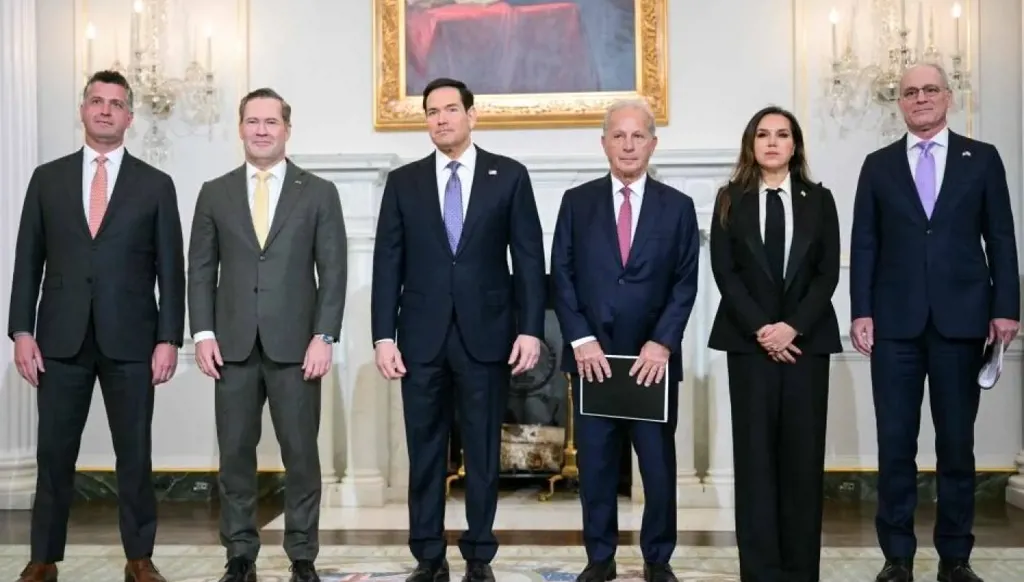
In 2026, it seems that the world will enter a new phase that can be termed as "fragile balance." It will be a pivotal year for reshaping the international order, despite the absence of a clear resolution among major powers. This balance will be characterized by caution and ongoing competition, with economic and military conflicts intertwining. There are no decisive victories or sustainable stability, but merely strategies of counterbalancing moves in a gradual quest to alter the global balance.
The Year of Fragile Balance: A Transitional Phase in the International Order
In 2026, the world will witness a transitional phase where the international order will slowly take shape. There will be no clear resolution in favor of any major powers such as the United States, China, or Russia. During this period, international relations will be fraught with challenges, with ongoing competition among these powers creating a state of fragile stability. There may be a redistribution of influence in certain regions, but without comprehensive solutions or global consensus.
Multiple Conflicts: From Ukraine and Gaza to the South China Sea and Venezuela
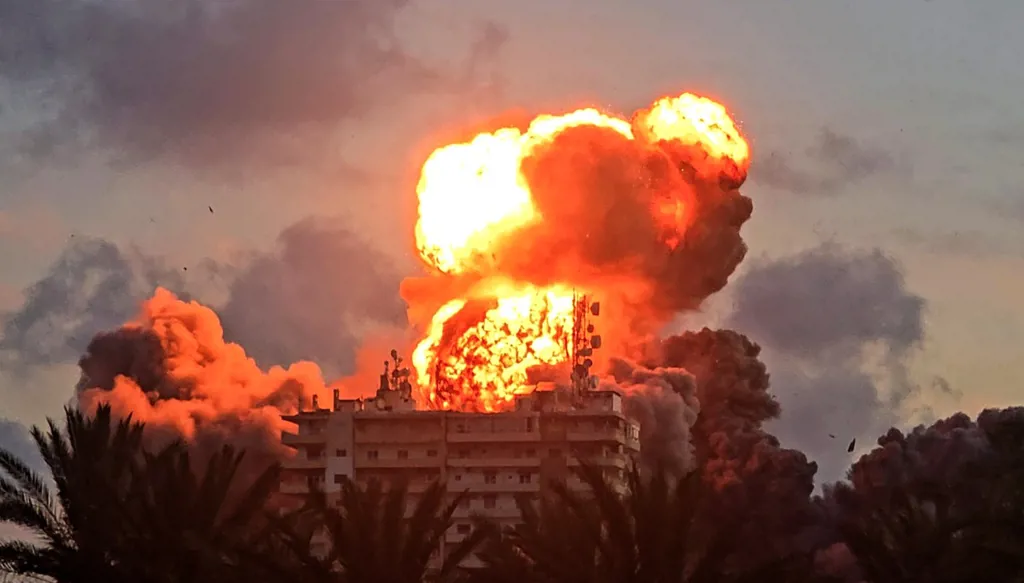
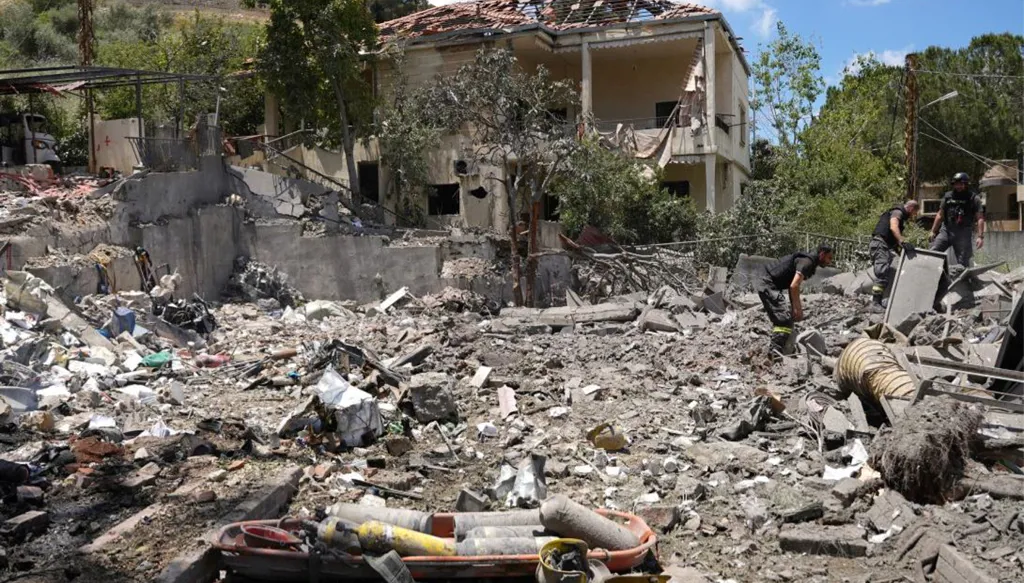
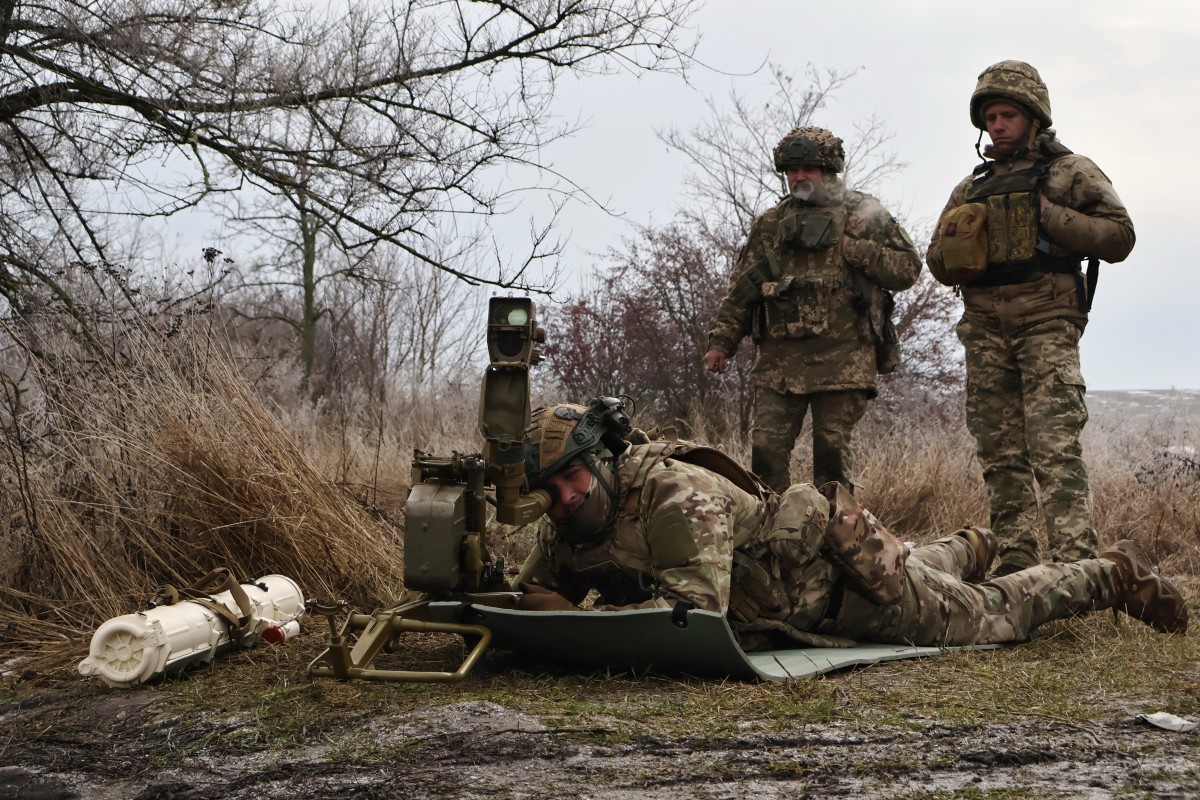
Regional conflicts will continue to grow more complicated in 2026, as multiple crises intersect among major powers. From the ongoing war in Ukraine to tensions in Gaza, and conflicts in the South China Sea and Venezuela, these hotspots will elevate political and economic challenges. These crises overlap within a network of global competition, making it difficult to foresee a real breakthrough in any of these areas.
U.S. Attrition Strategy: Weakening Rivals Instead of Direct Confrontation
The United States will continue to focus on attrition strategy rather than direct military confrontations. Washington will seek to weaken its adversaries economically and technologically, especially China and Russia, through sanctions, supply chain control, and increased pressure on global markets. This approach aims to curb the rising power of rivals without entering into open conflicts, contributing to the maintenance of the fragile balance.
China's Cold Rise: Reliance on Economy and Technology
China aims to boost its influence on the international stage by heavily betting on economy and technology. This Chinese expansion will remain "cold" in avoiding direct confrontations, relying instead on building long-term influence through investment in global infrastructure, like the Belt and Road Initiative, and technological innovation. China will focus on achieving economic and technological dominance rather than direct military confrontations, enhancing the global system's fragile stability.
Conditional Russian Resilience: Maintaining Presence Despite Attrition
Russia, for its part, will continue to strive to solidify its global presence despite the crises it faces, such as military attrition in Ukraine and internal economic challenges. Moscow will rely on regional alliances, particularly in Africa and the Middle East, to ensure its political stability amid ongoing challenges. Russia's presence in these regions will remain fragile, depending on its ability to balance internal attrition with external control.
The Middle East: A Fragile Axis and Indicator of Alliance Shifts
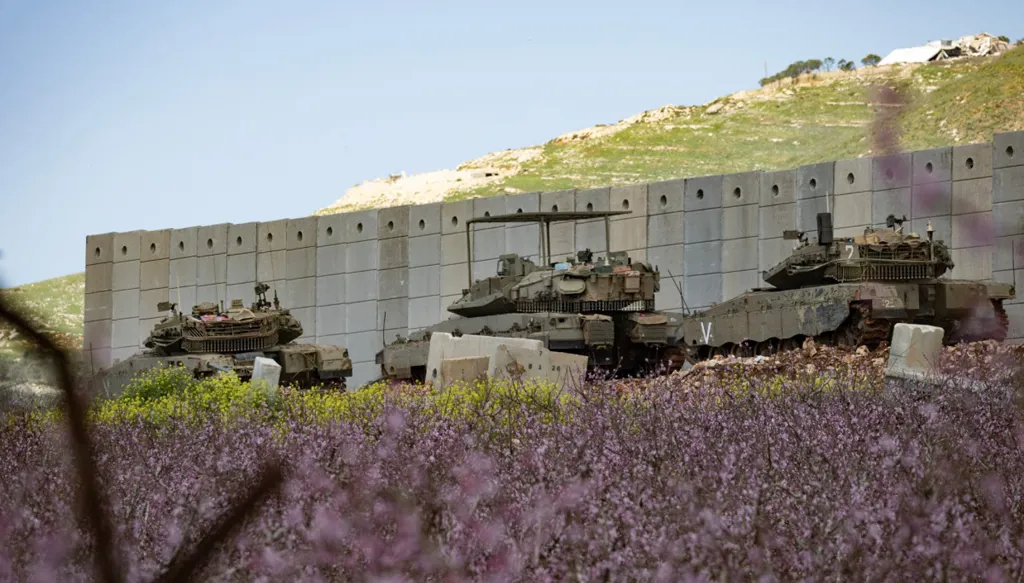
The Middle East will remain the main tension point in 2026. Proxy conflicts will renew, with shifts in regional and international alliances. Major powers will continue to manage conflicts in the region through proxies and third parties, with increasing intervention from regional powers in the internal affairs of some countries. This situation will keep tensions ongoing, with direct impacts on the region's and the world's stability.
Escalation of Non-Conventional Wars: Cyber Attacks and Economic Pressures
In 2026, non-conventional wars, such as cyber attacks, economic pressures, and hybrid conflicts, will escalate. Countries will rely on these modern methods to weaken their adversaries without entering full-scale military conflicts. Cyber attacks will be one of the main means used by major powers for precise strikes, while economic pressures will continue to affect energy markets and global trade. This type of warfare will enhance the fragility of global stability and complicate political crises.
In 2026, the world will be in the heart of a "fragile balance" phase, with major powers competing for influence without a clear resolution in favor of any party. Regional conflicts will continue to affect the international order, with the increased use of non-conventional wars and attrition strategies. This period will be more sensitive in terms of risks and opportunities, making it difficult to predict global policy directions accurately. Ultimately, global fault lines will remain, stirring tensions that could develop into major global crises if not managed with great caution.
*Writer specializing in Russian affairs
- The views expressed do not necessarily reflect the opinions of the An-Nahar media group.

العلامات الدالة
الأكثر قراءة