Egypt moves to establish gold bank with Afreximbank


شارك على
 مسنجر
مسنجر
 واتساب
 ثريدز
ثريدز
 بريد إلكتروني
 الطباعة
شارك على


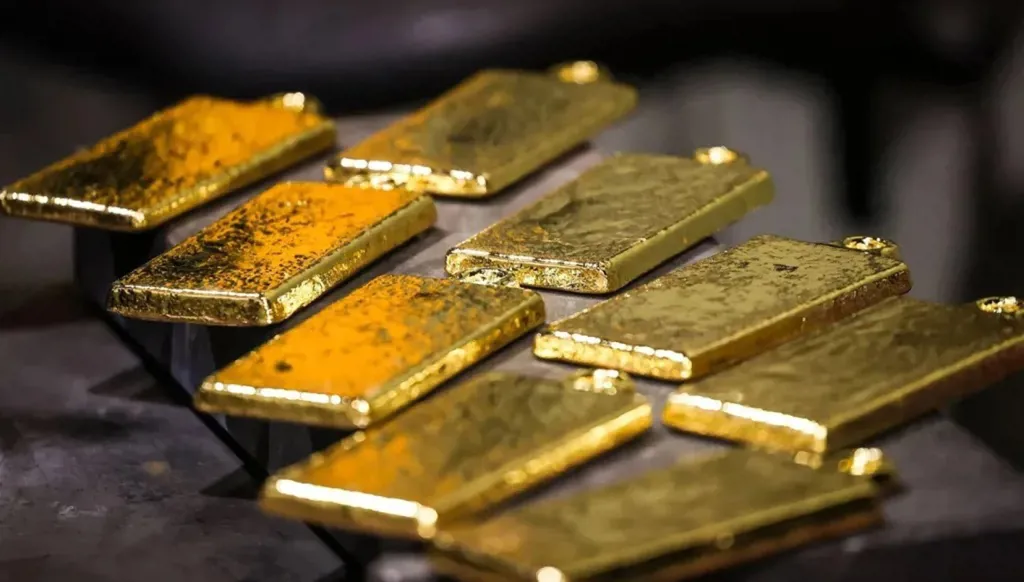


A few days ago, the Central Bank of Egypt and the African Export-Import Bank (Afreximbank) signed a memorandum of understanding to establish a specialized Gold Bank serving the African continent.
This raises several questions: What is this bank, why is it important, and what is its purpose? Why did Egypt choose Afreximbank as its partner, and how will the initiative affect local and regional gold markets, as well as companies and individuals?
What is the Egyptian Gold Bank?
Financial expert Amr Wahib told Annahar that the Egyptian Gold Bank is not a traditional commercial bank. Rather, it is a specialized banking framework aimed at organizing and developing the gold value chain within Egypt and Africa, instead of relying on refining and trading centers abroad.
The initiative seeks to enhance the central bank gold reserves through certified trading and storage platforms, while offering financial and technical services related to gold, including secure refining, certified storage and formal trading. Its broader goal is to transform Egypt into a regional hub for gold trading and storage, leveraging its strategic location linking Africa, the Middle East and Europe.
What is the purpose of the Egyptian gold bank?
Wahib explained that the bank represents a pivotal strategic step to strengthen central bank reserves, reduce dependence on non-African refining and trading centers, formalize the gold industry and its trade, reorganize local and regional gold markets, and reinforce Egypt’s position as a central hub for precious metals trade in Africa.
He added that the Gold Bank brings several direct benefits to Egypt, most notably boosting the central bank’s gold reserves and keeping added value within Africa through internationally recognized refining and storage services.
According to Wahib, the initiative also supports the localization of gold value chains rather than exporting raw materials, in line with Egypt’s strategy to maximize the benefits of natural resources and support local manufacturing and sustainable development.
Egypt as a regional center for gold trade
Wahib noted that Egypt’s geographic position - connecting Africa with the Middle East and Europe - gives it a strong competitive advantage to become a regional center for gold trade. The new bank is expected to attract regional and international investment in refining, storage and gold-related financial services.
Why Afreximbank?
Wahib said choosing Afreximbank reflects the institution’s role in promoting African financial and trade integration and its support for local processing of minerals rather than exporting them as raw materials.
He pointed out that the partnership includes a feasibility study to establish an integrated system within an Egyptian free zone, with the potential for expansion into other African countries, supporting Egypt’s vision of deeper continental partnerships.
Will the Gold Bank reduce prices?
Wahib clarified that while the Gold Bank may help regulate the market and reduce unofficial costs over the long term, it will not lead to an immediate drop in gold prices in Egypt. Gold prices remain primarily tied to global factors, especially the dollar and international demand, though the bank could enhance stability and limit sharp fluctuations.
He advised citizens to deal with gold through official channels provided by the Gold Bank - such as gold accounts and secure storage services - to ensure quality and safety and avoid informal trading.
He also encouraged viewing gold as a long-term investment and safe haven, while paying attention to fees and returns.
Regarding the broader economic impact, Wahib said the Gold Bank would directly enhance reserves and central bank gold holdings, attract African and international investment in refining, storage and financial services, create direct and indirect job opportunities, reduce smuggling, and retain added value within Egypt while lowering transportation and insurance costs.
He added that the bank could indirectly support the stability of the Egyptian pound by strengthening gold reserves and boosting confidence in the economy, easing pressure on the currency and providing the central bank with an additional intervention tool beyond dollar reserves.
Wahib stressed that the Egyptian Gold Bank is not designed to immediately lower prices or alter exchange rates, but rather to serve as a strategic pillar for monetary stability, market regulation and Egypt’s emergence as a regional hub for precious metals trade in Africa.

العلامات الدالة
الأكثر قراءة