Hezbollah signals openness to negotiations amid regional shifts: What’s next for Lebanon’s security?


شارك على
 مسنجر
مسنجر
 واتساب
 ثريدز
ثريدز
 بريد إلكتروني
 الطباعة
شارك على


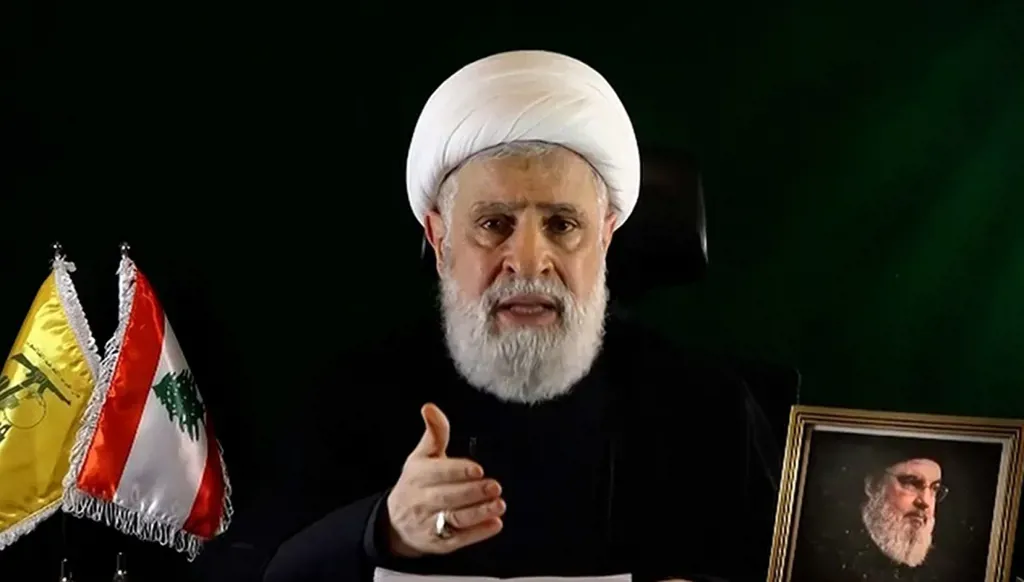


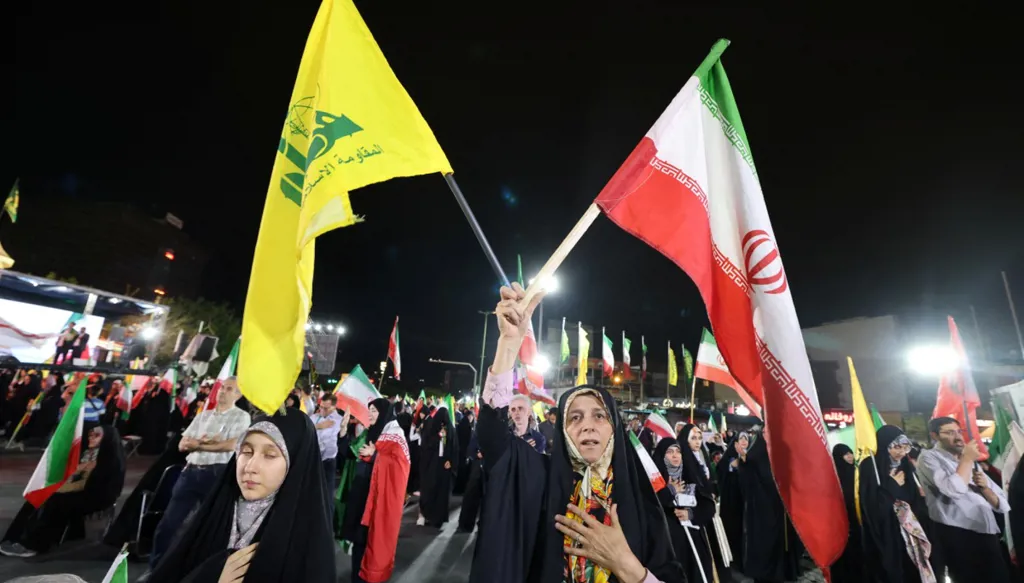
Even before the “Gaza Support War,” Hezbollah had engaged in a level of internal and external communications and meetings that far exceeded its usual activities, prompting observers to question the implications. Many see this as potentially the visible tip of an iceberg - a new negotiation track that the group may have recently decided to initiate, building on the outcomes of a promised, inevitable internal review.
In recent days, reports emerged about a delegation from the party visiting Doha, but the event remains shrouded in ambiguity. The party has neither confirmed the visit nor revealed the envoy’s identity, while Qatari authorities have also remained silent, leaving the details unclear.
Shortly before, Egypt revealed that it had held off-the-record contacts with the party’s leadership. Meanwhile, party member Ihab Hamadeh officially confirmed that the party had received an invitation to Cairo for detailed talks on an Egyptian proposal concerning the situation in the south.
While some framed the presence of a party delegation in Istanbul - attending a wide-ranging Islamic conference in support of Jerusalem - as part of Ankara’s strategy to consolidate influence against Israel, which opposes its role across Syria, the party itself interpreted the visit as reassuring. It saw the event as a signal of openness and goodwill from the Sunni Brotherhood, a factor the party considers highly significant.
According to sources with close knowledge of the party’s internal workings, these developments indicate the early stages of a negotiation process that the party is now preparing to pursue seriously. Observers note that this move does not appear to be a response to external pressure or coercion aimed at disarming the party in the northern Litani region, especially since it had already relinquished its weapons south of the river.
Thus, these sources believe that the party remains in the phase of testing the waters to reveal its readiness to embark on this path.
According to the same sources, the party’s highly cautious approach - deemed necessary on its part - stems from its recognition of Qatar’s importance in regional affairs and its continued communication with Doha during the most difficult periods. The visit was intended to present the party’s vision and signal its hope that Qatar would play a future role in facilitating exchanges of ideas, particularly given the country’s established role as a regional mediator.
In summary, the party appears to have entered a new phase focused on seeking solutions, signaling a genuine readiness to engage in a negotiation process. The pressing question now is: Who is willing to respond?
Disclaimer: The opinions expressed by the writers are their own and do not necessarily represent the views of Annahar.

العلامات الدالة
الأكثر قراءة