Israel’s Somaliland recognition tests Red Sea security and Horn of Africa stability


شارك على
 مسنجر
مسنجر
 واتساب
 ثريدز
ثريدز
 بريد إلكتروني
 الطباعة
شارك على




In recent weeks, Israel’s announcement that it would recognize “Somaliland” has sparked widespread regional and international debate and concern, extending beyond a traditional diplomatic gesture to deeper questions about the security of the Red Sea, the stability of the Horn of Africa, and the future of intertwined conflicts in one of the world’s most fragile regions.
What initially appeared to be a symbolic political move quickly evolved into a strategic source of tension, touching a highly sensitive geography at the edges of the Gulf of Aden and Bab el-Mandeb, where global trade routes intersect with ongoing wars and unresolved conflicts.
Angry reactions from Mogadishu, as well as from regional and international capitals, reflected a collective awareness that the move challenges the principle of Somali unity and opens the door to a precedent that could encourage secessionist tendencies in a region whose wounds have yet to heal. What heightened concern, however, was the timing: the recognition came at a moment of unprecedented strategic vulnerability in the Horn of Africa, where ports have become instruments of influence, diplomatic recognition a tool of pressure, and maritime facilities keys to redrawing regional power maps.
From the Somali government’s perspective, Israel’s recognition poses a direct threat to the federal state model and Somalia’s territorial integrity, granting the separatist region political cover that could later affect highly sensitive files such as international aid, investment flows, security cooperation, and potentially armament. Mogadishu therefore swiftly framed the move as an assault on its sovereignty and announced its intention to confront it diplomatically and legally, recognizing that the battle is not merely over “Somaliland,” but over the future shape of the Somali state itself.
Hargeisa, on the other hand, views the recognition as a historic breakthrough in its decades-long quest for international legitimacy after more than 30 years of unrecognized separation. Yet this potential political gain carries compounded risks, as any security or intelligence rapprochement with Israel could turn the region into a potential target for regional proxies or armed groups seeking new fronts, rallying points, or legitimacy.
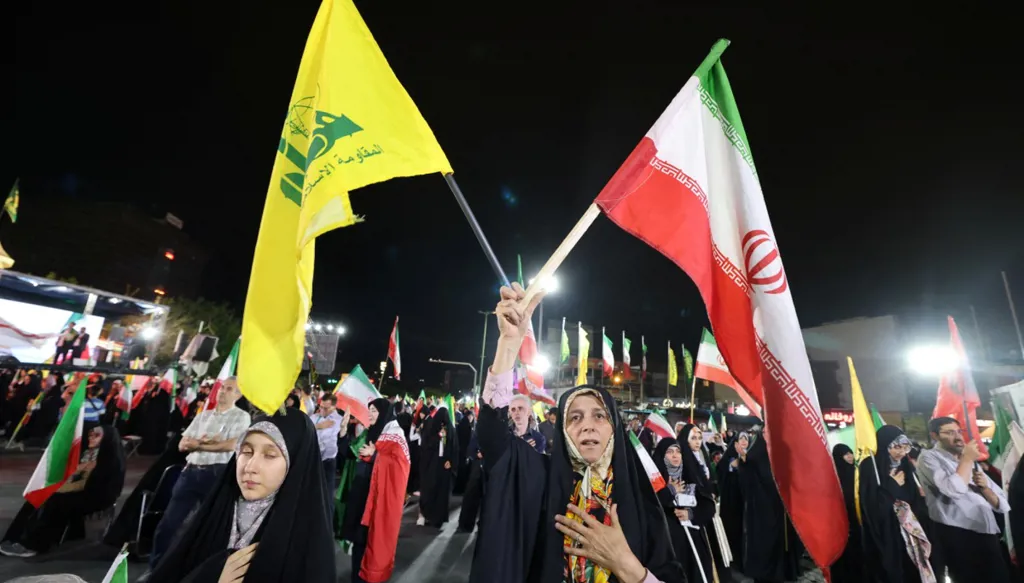
This security dimension did not remain hypothetical for long. On December 28, the leader of Yemen’s Houthi group declared that any Israeli presence in Somaliland would be considered a “military target.” This marked a qualitative escalation, as it theoretically shifts the conflict from the Red Sea theater off Yemen’s coasts to a broader arena extending toward the Gulf of Aden and the facing shores of the Horn of Africa. At that point, the issue is no longer limited to targeting passing ships, but to potentially expanding the geographical scope of confrontation, further complicating deterrence and retaliation equations.
In the background, the Ethiopian-Somali dispute remains a ticking bomb following the memorandum of understanding signed earlier this year between Ethiopia and “Somaliland” to secure sea access through Berbera port in exchange for discussions of possible Ethiopian recognition. Rejected by Mogadishu and deemed legally ineffective, the agreement was widely seen by international analysts as a trigger for broader tensions, as it touches on questions of sovereignty, borders, and identity in an extremely fragile region. Israel’s recognition adds a new layer of complexity to this dispute, raising the geopolitical value of Somaliland’s coastline in the calculations of regional and international actors, even if declared cooperation remains framed as civilian or economic.
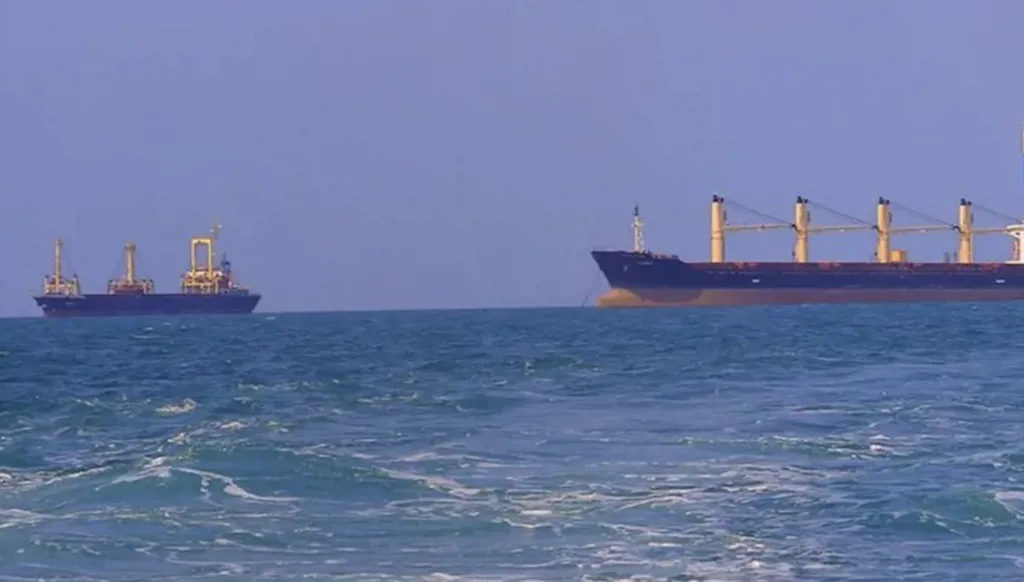
The danger of this development is inseparable from geography. Bab el-Mandeb is not merely a waterway, but a vital choke point for supply chains between Asia and Europe, a key revenue source for the Suez Canal, and a testing ground for regional and international deterrence. Since November 2023, Houthi attacks on commercial shipping have forced major companies to reroute vessels around the Cape of Good Hope, increasing travel times, fuel consumption, and insurance costs, and plunging global trade into chronic uncertainty. Even during periods of reduced attacks, risk assessments in the Red Sea and Gulf of Aden have remained high, closely linked to Israel’s role and escalation dynamics in Gaza and Yemen.
Against this backdrop, the Somaliland factor introduces a new equation - one that goes beyond the targeting of ships to include the potential targeting of facilities or positions on the African shore itself, effectively turning the entire geography into a possible skirmish zone. The equation grows even more dangerous with the involvement of extremist groups. Al-Shabaab remains the most significant internal threat within Somalia, possessing complex operational capabilities and cross-regional funding and smuggling networks. Meanwhile, the Islamic State group in Somalia, though smaller, has gained increasing importance within the organization’s global network. The risk here lies not in these groups controlling a strait or port, but in expanding their options to threaten shipping, facilitate weapons or technology smuggling, or engage in tactical coordination with other actors - raising insurance costs and the likelihood of high-impact operations.
The repercussions of these tensions extend beyond maritime security to the political economy of corridor states. International data show that traffic through the Suez Canal fell by roughly half during the first two months of 2024 compared with the previous year, while traffic around the Cape of Good Hope surged. This decline directly pressures Egypt’s hard-currency revenues, adds costs for Europe and Asia, and fuels inflation in global transport and insurance markets. Amid continued uncertainty, the central question for shipping companies remains unresolved: Has the Red Sea truly become safe again, or do structural risks persist?
The picture grows even more complex with Sudan, where the ongoing war has begun to reach the coast through drone attacks on Port Sudan, bringing the conflict directly to the Red Sea and adding yet another instability factor to an already overloaded equation.
Within this composite landscape, several scenarios emerge. The first is a controlled escalation under deterrence ceilings, in which recognition remains largely symbolic, Israeli-Somaliland cooperation stays limited and discreet, and Houthi threats remain rhetorical. The second, more dangerous scenario involves a symbolic escalation - such as targeting a ship or facility linked to Israel or a potential partnership in Somaliland - raising the risk of miscalculation and serious economic or environmental fallout. A third scenario envisions deeper entanglement of Horn of Africa crises, driven by Somali hardening or increased regional investment in the issue, potentially triggering new alignments and proxy frictions. The fourth, and most dangerous, scenario involves conflict slipping into the hands of non-state actors, with armed groups and smuggling networks exploiting the chaos, turning even limited incidents into major disruptions of vital trade routes.
Ultimately, the issue goes far beyond a diplomatic step; it is a stress test of the Horn of Africa’s fragility and the Red Sea’s ability to absorb yet another shock.
Disclaimer: The opinions expressed by the writers are their own and do not necessarily represent the views of Annahar.

العلامات الدالة
الأكثر قراءة