Lebanon’s President completes a first year of conflicting realities


شارك على
 مسنجر
مسنجر
 واتساب
 ثريدز
ثريدز
 بريد إلكتروني
 الطباعة
شارك على


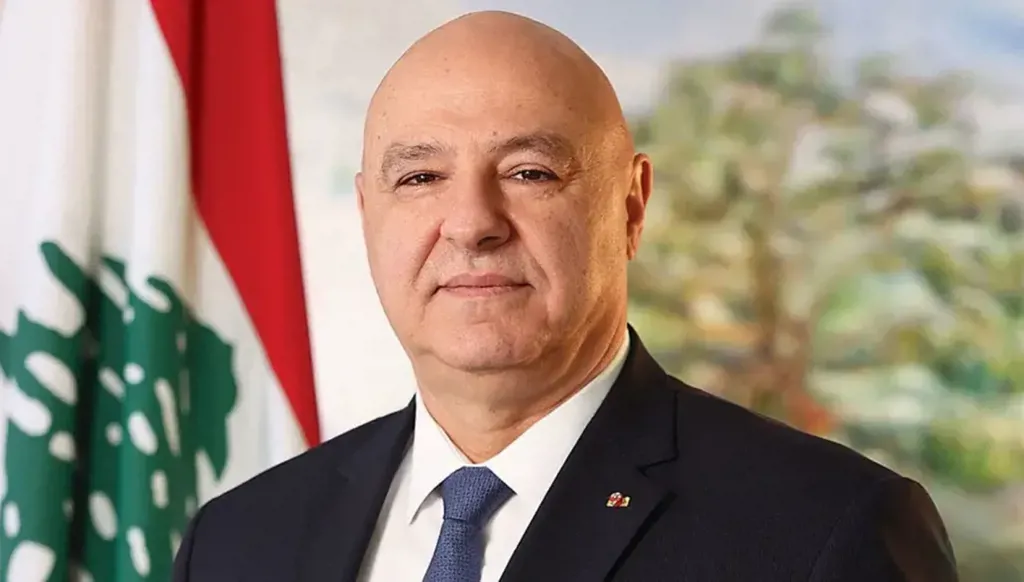


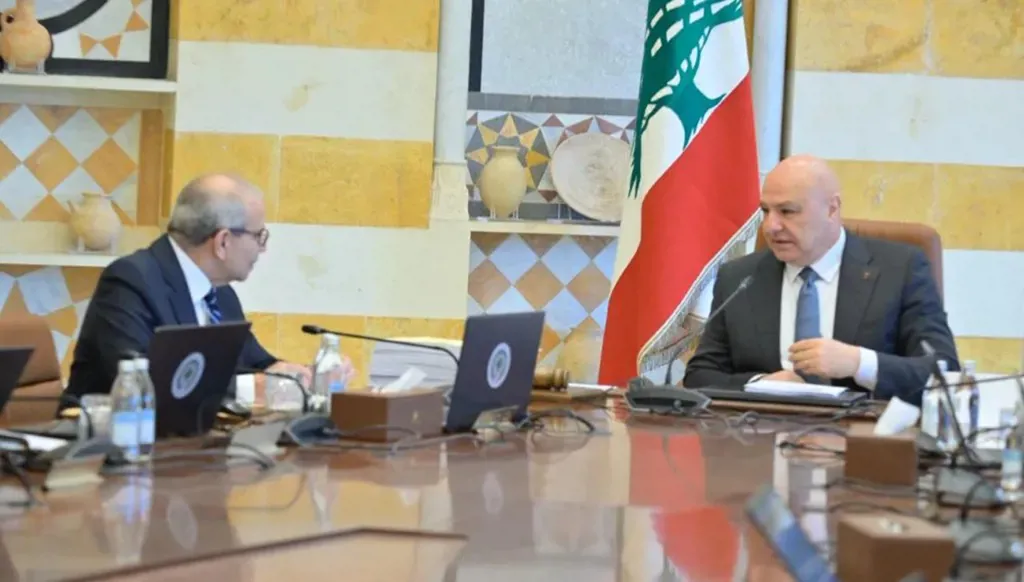
Today, the first year of Lebanese President Joseph Aoun’s term passes under highly contradictory conclusions. Some of these allow a closer look at the most prominent aspects of the state’s trajectory, in terms of the presidency and institutions and how state order and regularity are being evaluated. Meanwhile, the other side forces a deep pause at the risks revealed by fundamental gaps that must be confronted in the coming years of the term.
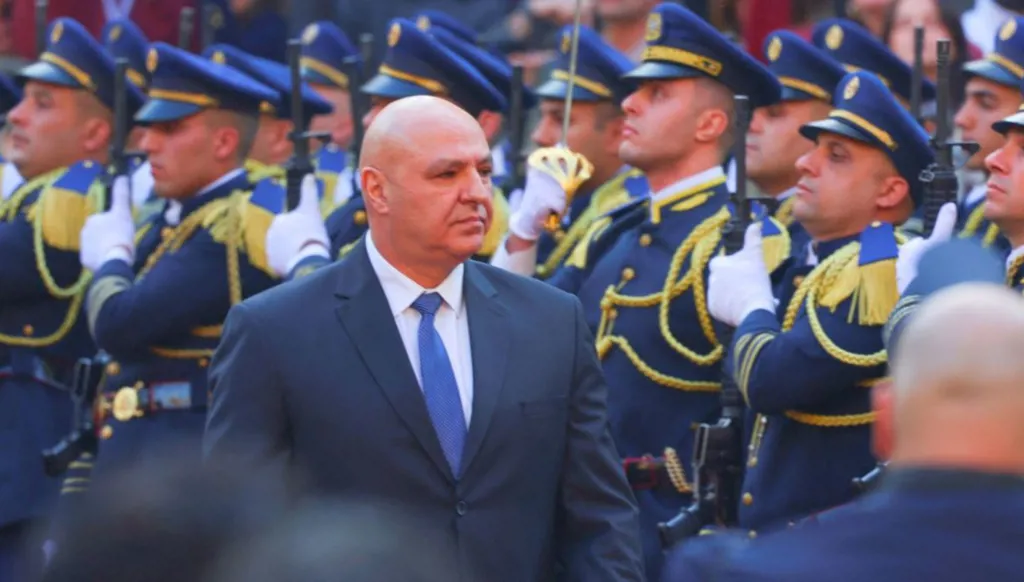
Naturally, the first major positive criterion that will fill the political and media space in evaluating the presidency after its first year will be the fact that the presidential vacuum one that lasted a long time before the election of a president who is an Army Commander (for the fifth time in Lebanon’s history), has finally been filled.
This aspect, electing Army Commanders, often after crises and ambiguities related to whether the constitution should be amended to allow their election—did not receive much public focus on the day the current president was elected. That is because the consequences of a vacuum that stretched for more than two years made all exceptions seem minor compared to the gravity of the vacuum itself. It was also because of the strong external backing, mainly from the United States and Saudi Arabia that supported Aoun’s arrival and provided broad internal cover for his election.
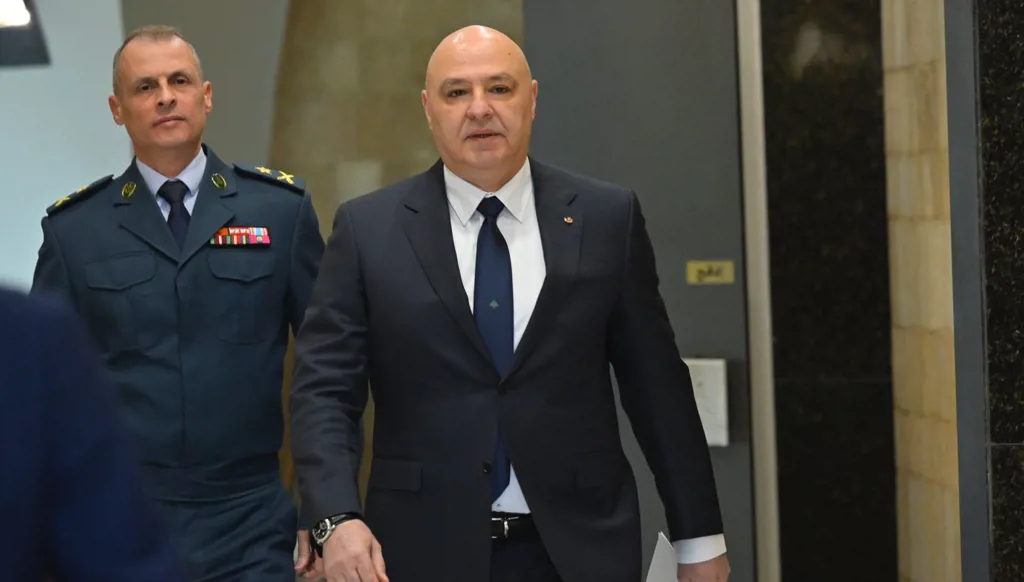
This equation has remained intact and unchanged until now, despite changes in tactics toward the Lebanese situation, especially regarding the U.S.–Saudi position on Hezbollah’s weapons knowing that the two positions are fully aligned.
After the first year of his term, which he opened with an oath speech carrying decisive and unprecedented sovereignty-focused commitments, the limits of the obstacles preventing a full and comprehensive translation of those commitments on the ground have become clear, at least regarding the main issue that dominated the priorities of this year: the matter of illegal weapons, fundamentally linked to the file of the conflict with Israel.
This aspect overwhelmingly dominated the first year of Aoun’s presidency, and forcibly absorbed all the “celebratory” Lebanese enthusiasm surrounding the government of Nawaf Salam—indeed, what was supposed to translate into the emergence of the term “the new state” after Aoun’s election and Salam’s appointment to form the first government of his term.
In reality, the handling of Hezbollah’s weapons overshadowed more than eighty percent of Lebanon’s internal crises and problems at all levels, even though the presidency and government could now present a substantial list of projects and achievements related to financial, economic, and development matters. But the stark truth is that the legacy of the war between Israel and Hezbollah almost consumed Lebanon’s entire priority list in 2025, evidenced by the fact that the strongest and most significant achievement attributed to the presidency and government this year is a measure widely described as historic: the decision on exclusive state control over weapons across Lebanese territory, which was adopted in August of last year. Lebanon, however, still faces the risk of renewed Israeli war threats due to the incomplete implementation of that decision.
Diving into the detailed events of the past year does not dispel fears of external circumstances that could keep Lebanon a renewed battlefield—this time with even greater destruction, so long as the principle of exclusive weapons under state authority has only been partially implemented south of the Litani River (i.e., southern Lebanon). On the contrary, the risks will grow that governance could turn into crisis management rather than overcoming crises and the specter of wars, something Lebanon cannot bear, as the realities of its internal crises have become more dangerous than the risks of a renewed war.
Accordingly, a purely Lebanese resolution to the issue of exclusive state control over weapons has become more than an obligatory priority, in order to take Lebanon toward the “new state” and avoid returning to a system of exploiting crises and waiting for outcomes that external powers will shape at the time.
Disclaimer: The opinions expressed by the writers are their own and do not necessarily represent the views of Annahar
العلامات الدالة
الأكثر قراءة