
Lebanon’s IMF-backed financial gap law faces resistance from banks and depositors, central bank key to implementation



شارك على
 مسنجر
 واتساب
 ثريدز
 بريد إلكتروني
 الطباعة
شارك على


For the first time since Lebanon’s financial crisis erupted, a comprehensive financial gap draft law is proposed to address the collapse, which largely aligns with the requirements of the International Monetary Fund and forms the clearest legislative framework so far for allocating losses and restructuring the financial sector.
However, despite the positive elements on which it is based, the draft law still lacks key components that would make it workable and more equitable. This has opened the door to broad objections from depositors and banks alike, as well as clear reservations from Lebanon’s central bank.
There is no doubt that the draft law is not perfect and will not be able to satisfy all parties. Depositors’ associations have rejected the proposed formula, raising legitimate concerns, particularly over protecting vested rights and ensuring fairness in how losses are distributed.
Banks, for their part, strongly oppose the proposal, arguing that it places an unfair share of the crisis’s losses on both banks and depositors, while violating internationally accepted legal and financial standards.
The banks argue that the project suffers from fundamental flaws, most notably the lack of transparent identification of the financial gap at Lebanon’s central bank. They also say it overlooks the state’s direct and indirect responsibility for the crisis and fails to take into account the central bank’s ability to contribute by liquidating part of its assets.
Banks warn that this approach threatens depositors’ rights, undermines confidence in the banking sector, and exposes financial stability to additional risks. They have proposed using part of Lebanon’s gold reserves to secure the necessary liquidity.
For its part, the Central Bank of Lebanon, which participated in the deliberations and played its role as advisor to the government, providing it with the available figures, is also not fully satisfied with the draft law in its current form. Informed sources state that “The Central Bank considers the project to include many positive points, but its implementation remains impossible without a clear and explicit contribution from the state, particularly given fiscal policies, chronic budget deficits, losses at the state electricity utility Electricité du Liban, all of which make the state a key contributor to Lebanon’s financial and banking crisis."
Official records at the Central Bank of Lebanon show that the state owes it no less than $16.5 billion, a sum the state admitted spending for settling Eurobond debts and their interests, among other commitments. In addition, new debts have been incurred by the state after 2019, exceeding $13 billion in “fresh” dollars.
The majority of these debts, about $10 billion, arise from fuel subsidies and others endorsed by the government of former Prime Minister Hassan Diab during the presidency of Michel Aoun. The remaining amount, estimated at about $3 billion, consists of payments made by the Central Bank on behalf of the state to settle loans from international institutions and funds, and to purchase fuel for the state electricity utility, "Electricité du Liban", between 2020 and 2023.
Sources confirm that “the Central Bank of Lebanon does not print US dollars and that it erred when, under pressure and coercively, it used commercial banks’ deposits held at the central bank, effectively depositors’ funds, to cover state expenditures, whether under laws that compelled it to do so or government decisions. Since 2020, every dollar paid by the Central Bank on behalf of the state has been a “fresh dollar.”
As a result, the state owes Lebanon's Central Bank, directly or indirectly, around $30 billion in total. While it is widely acknowledged that the state is unable to repay these debts in full, the success of the draft law would, at a minimum, require a clear agreement between the government and the central bank on a timetable and mechanism to repay part of these obligations, or at least a quarter of them, about $8 billion, spread over eight years. Such a step would enable Lebanon’s Central Bank to meet its obligations, whereas its absence would render the law practically unenforceable.
Overall, there is broad consensus that responsibility for the crisis is shared among the state, the banks, and the Central Bank. Accordingly, introducing a single substantive amendment to the draft law could make it fairer and more executable. According to the Central Bank's sources, it cannot bear more than $9 billion, distributed over 5 years, which mostly consists of depositors’ funds that will be reinjected to them. And since the banks are responsible, they should bear at least $6 billion in cash over the same period.
If the state fulfills its responsibilities and contributes about $6 billion over five years, implementation of the law becomes feasible. Moreover, this balance would allow the ceiling on guaranteed deposits to be raised to between $115,000 and $120,000, from $100,000 currently. The cost of guaranteeing deposits up to $100,000 is estimated at around $18 billion (a preliminary estimate), while raising the ceiling to $115,000 would cost roughly $21 billion.
Other observations on the draft law, while important, remain open to discussion and can be addressed relatively quickly. The real solution, however, begins with an explicit acknowledgment by all parties of their responsibilities, enshrining those responsibilities clearly in the law, and defining mechanisms for securing liquidity and allocating each party’s share (the state, the banks, and Lebanon’s central bank) within a precise, transparent, and binding timetable.

العلامات الدالة
الأكثر قراءة
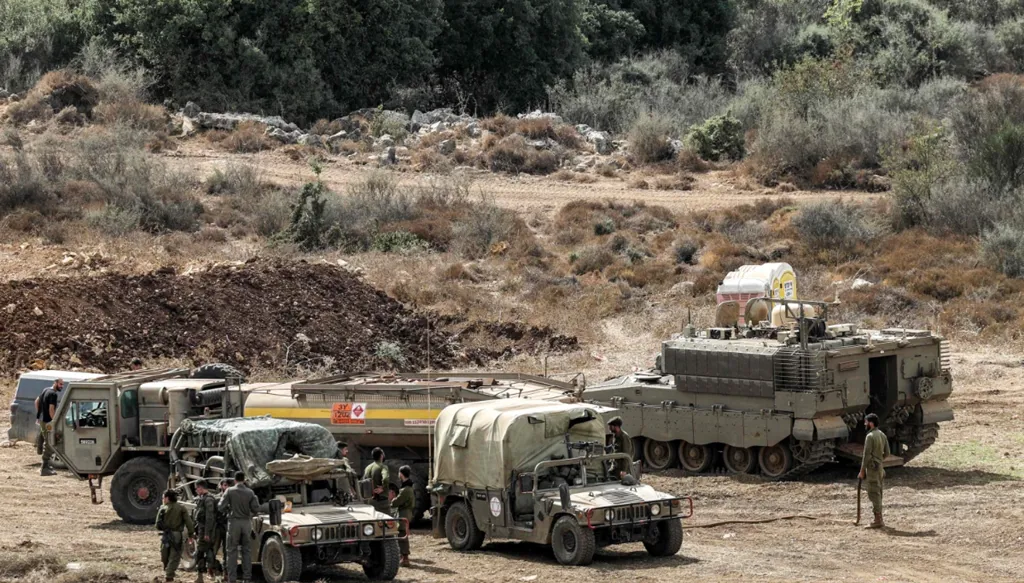
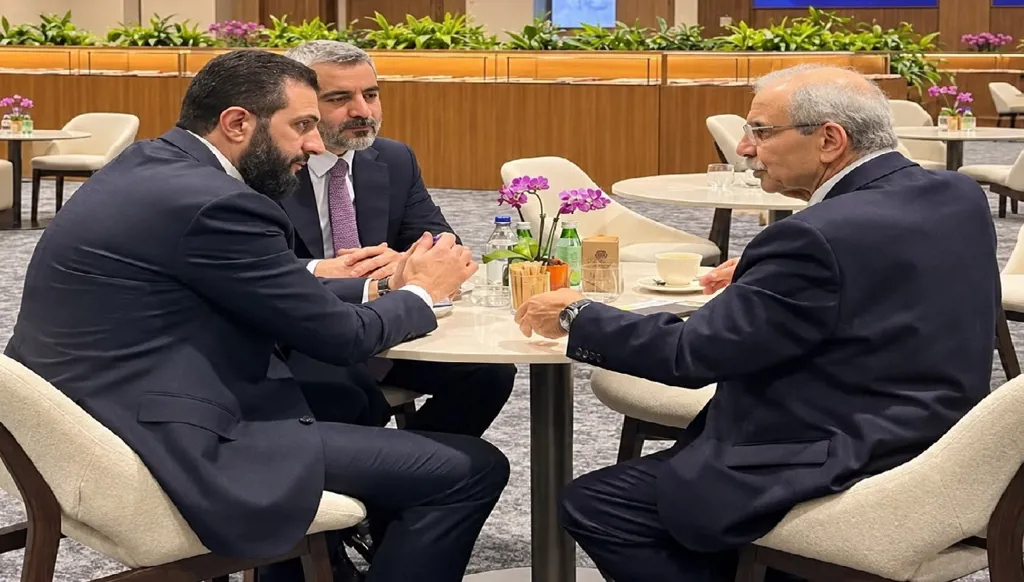
بحسب معلومات "النهار" تضمنت المستندات التي حاول موقوفو "حزب الله" إتلافها، خطتي عمل، إحداهما لطرابلس والأخرى للكورة، مع توزيع المهام على فرق، وطلبات للحصول على دعم وأسلحة.