
Kish marathon sparks anger... Is the short era of freedoms in Iran coming to an end?
A few weeks ago, following a series of events in Iran, it appeared that social restrictions on women were gradually returning.


شارك على
 مسنجر
 واتساب
 ثريدز
 بريد إلكتروني
 الطباعة
شارك على


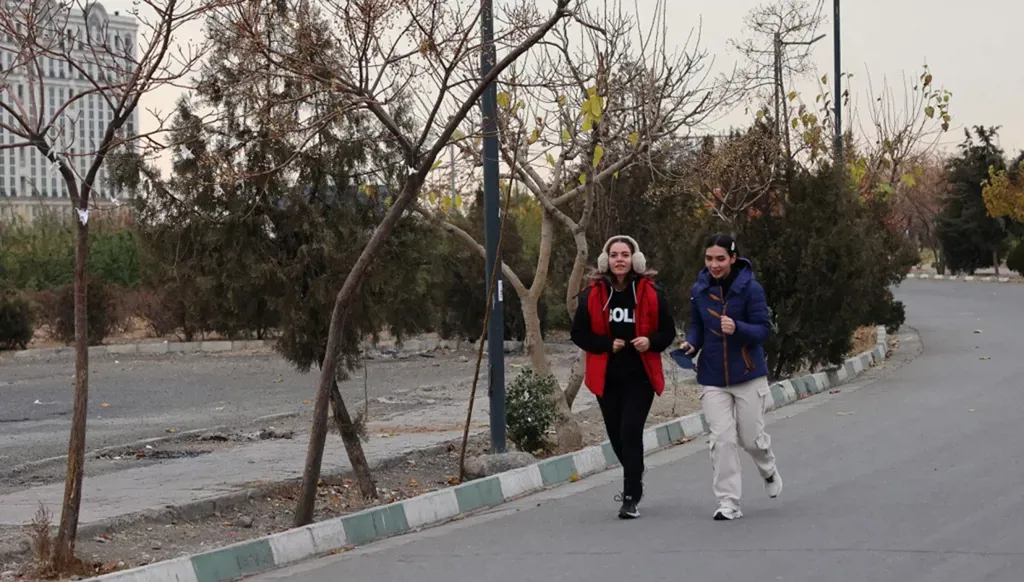


After the 12-day war between Iran and Israel (from June 13 to 24, 2025), the Islamic Republic witnessed a significant increase in social freedoms, even the Islamic Consultative Assembly’s decision to deny non-hijab-wearing women social rights was not implemented, under direct instructions from President Masoud Pezeshkian.
However, in recent weeks, following a series of events, it seemed that social restrictions on women were gradually returning.
The regression began when Iranian Intelligence Minister Esmail Khatib submitted a report on Iranian women's and girls' dress to Ayatollah Ali Khamenei in November 2025, prompting the Supreme Leader to order the president to take 'deterrent measures'.
Subsequently, the police, judiciary, and Friday prayer leaders resumed their attack on what they describe as 'disorder and decadence', and 155 deputies out of 290 in the parliament signed a message to Judiciary Chief Gholam-Hossein Mohseni-Eje'i, strongly criticizing the 'negligence, indifference, and leniency' of state institutions in dealing with 'non-hijab-wearing women'.
The Trigger of Kish Marathon
The event that ignited the anger of the hardline faction and intensified its opposition to social freedoms was the Kish Marathon, held in Kish Island, southern Iran, last week (December 5, 2025), with the participation of approximately four thousand men and women.
Although the organizers held separate races for men and women to avoid controversy, hardliners fiercely attacked the participation of several women and girls without the mandatory veil.
The prosecutor in Kish Island announced the opening of a legal case against the organizers, alleging they 'compromised public modesty despite previous warnings to comply with laws and regulations', as he stated, and two individuals were reportedly detained in connection to the event.
In the official discourse of the Islamic Republic, any event that does not adhere to the system's specified standards is considered a 'compromise of public modesty', as has happened in cases of young girls dancing at school celebrations, which sparked repeated debates previously.
MP Ali Shirinzad commented opposing the marathon: 'While our Iranian female athletes appear in international venues wearing the hijab in full, achieving championships and presenting the image of the modest, honorable Iranian woman to the world, how is it possible to hold a women's marathon in Kish Island without a hijab?'.
Meanwhile, the Mehr agency, affiliated with the governmental Islamic Media Organization, claimed that 'Kish has reached a point where when its name is mentioned, many think of disorder instead of development and beauty. What is happening in Kish today cannot be tolerated!'.
Kish Island has always been a calm and favored area for Iranians to live in, and the absence of social rigidity by the authorities is the main reason that drove many to invest and reside in this island, which has a population of no more than 35-40 thousand people.
Even the private bank 'Saman', the financial sponsor of the marathon, faced attacks from hardliners who accused it of 'not protecting customers' personal data'.
Pezeshkian: Do Not Push People into Hating the Regime
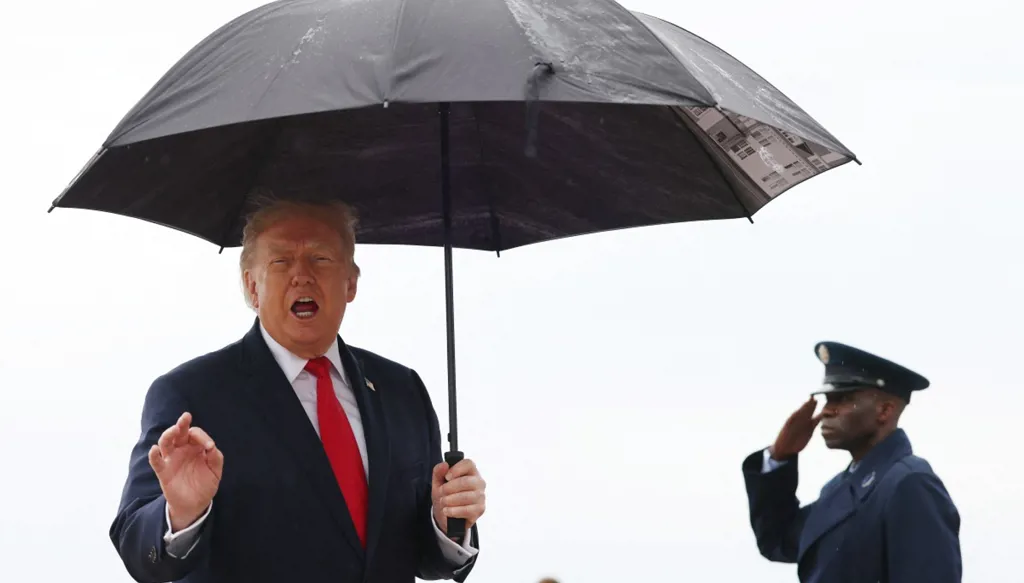
The scale of the attacks on the Kish Marathon reached a level that prompted President Masoud Pezeshkian to intervene in a cabinet session, fiercely criticizing the hardliners, saying: 'We should not do anything that would alienate people from the Islamic Republic and make them dissatisfied. Unjustified restrictions on people and pressuring them is not permissible; every action that generates public discontent is precisely helping the Zionist entity.'
The Iranian president added: 'Why don't you show any sensitivity to these issues? But as soon as a minor violation appears somewhere, some begin yelling Oh Islam!'.
A Return to Closures and Increased Surveillance
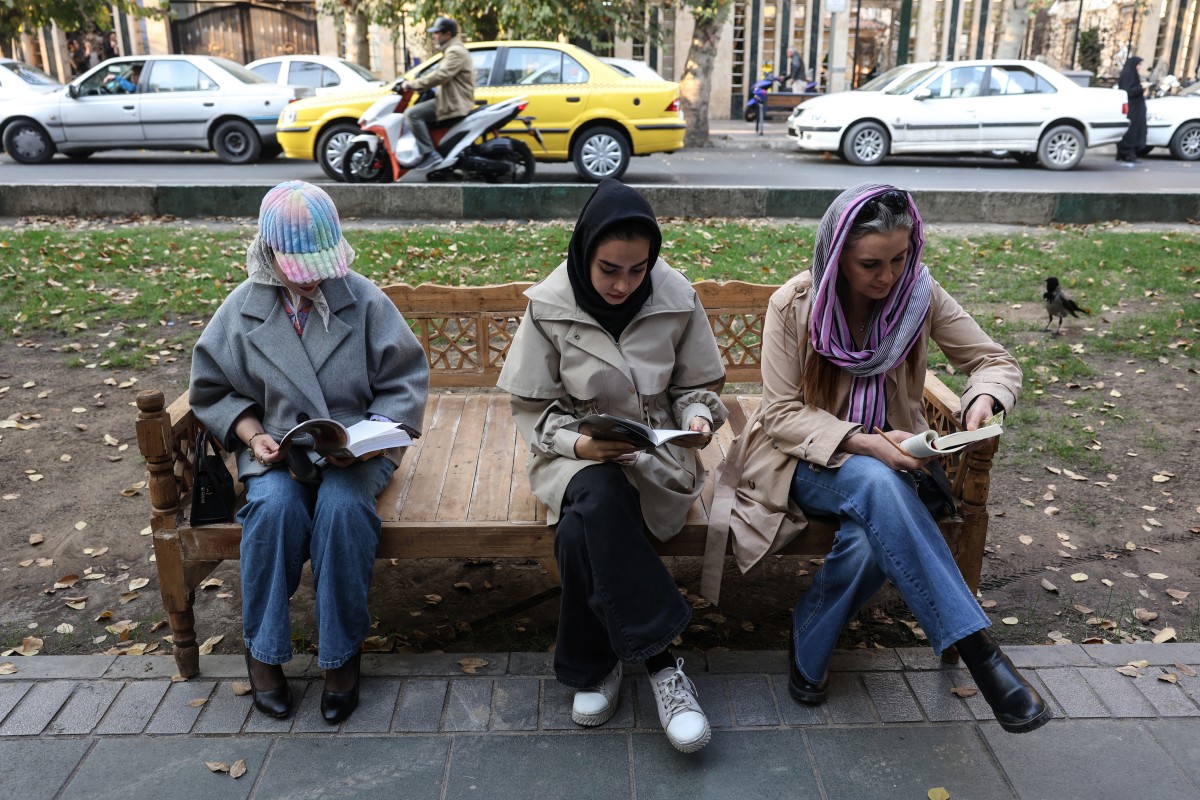
In recent weeks, dozens of cafes and restaurants in Iranian cities have been shut down again for not enforcing the hijab law or serving alcoholic beverages, and judicial and police authorities warned that closures from now on will be 'permanent'.
Field observations from restaurants and resorts in Tehran show that restaurant owners are obliged to inspect tables at the police's order, and if alcoholic drinks are found, customers are asked to leave immediately.
Could New Protests Erupt?
Some sociologists and analysts view that if hardliners and governing institutions do not retreat from their positions in restricting social freedoms, especially regarding the mandatory hijab issue, considering past experiences and unprecedented economic pressures (inflation and unemployment), particularly after the 12-day war, which the Iranian Minister of Economy recently described as leaving a 'very bad economic situation', the likelihood of widespread protest movements is very high.
For this reason, security experts warn that the Iranian regime should avoid at this sensitive stage any decision or measure that might ignite the fuse of protests, as assessments indicate the possibility of Israel's intervention and participation in any future protests under the banner of 'supporting the Iranian people'.

العلامات الدالة
الأكثر قراءة