Zahtirian responds: “We are part of the Lebanese fabric, born, raised, and educated in Lebanon, and I take pride in my Lebanese identity. My friends are all Lebanese, and I am proud of my Armenian heritage, having served in Armenia and now leading the Our Lady of Bzommar Monastery. However, circumstances are tough, and Armenians are inseparable from the general Lebanese reality; they have many needs similar to the Maronites and Catholics. We receive aid from Armenian associations, organizations, and clubs.”
Regarding the political conditions and the situation of Armenians, who bears responsibility for the shortcomings?
Are the Armenian parties to blame? He answers: “There is care from the parties and affiliated clubs, but there are difficulties in the country and economic conditions, so our status is not what it used to be due to migration and socio-economic conditions. However, we have integrated into Lebanese society; this is settled. We are Lebanese and proud of our country, just as we are proud of being Armenian.”
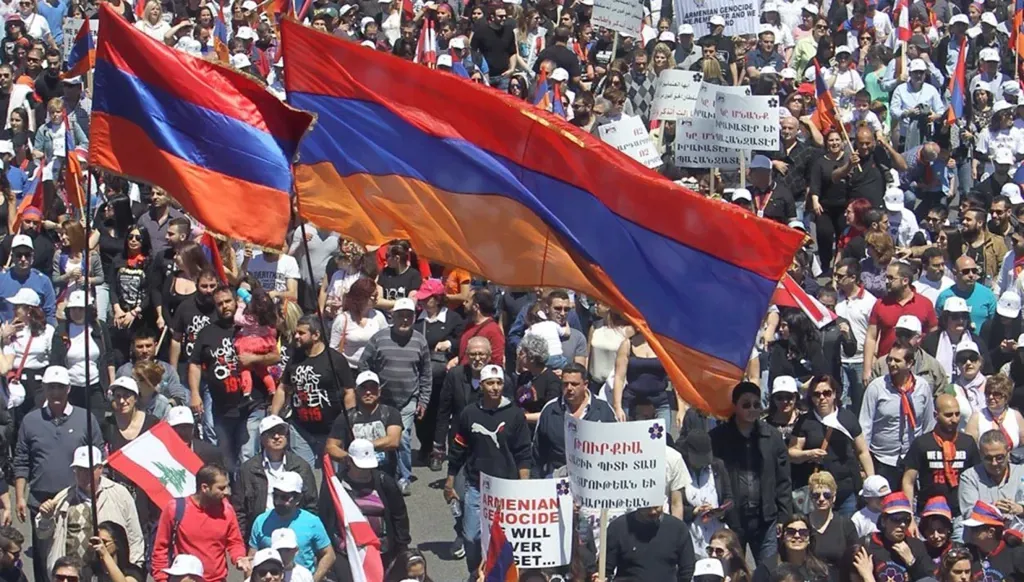
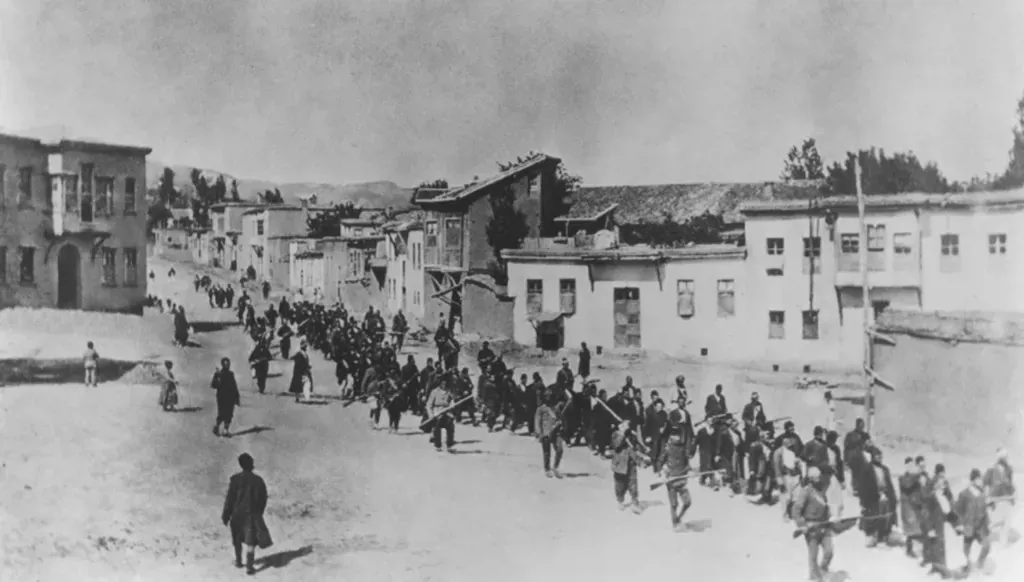
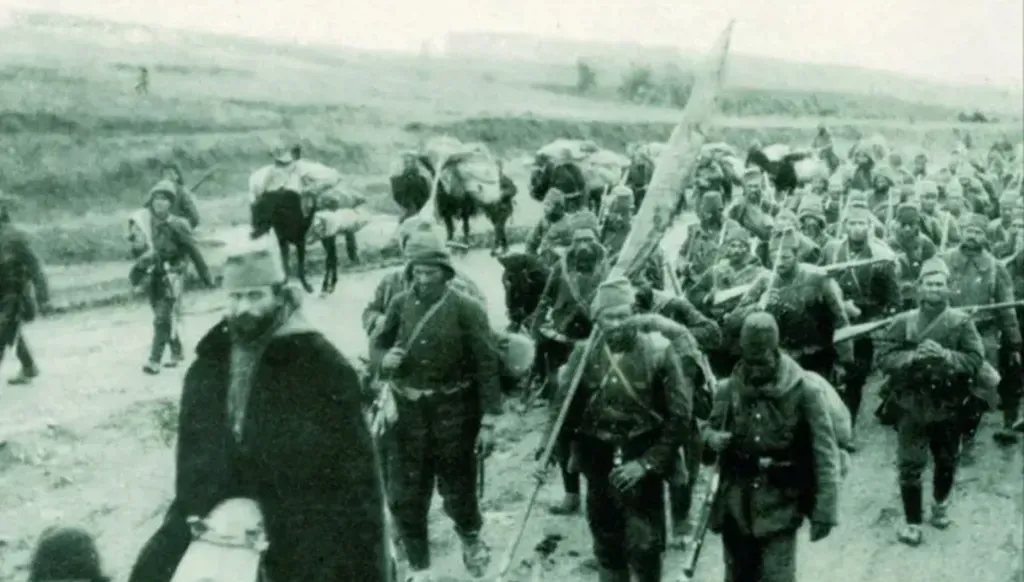
He concludes by stating: “The new generation born and raised in this country views its conditions like any Lebanese, while the old generation suffered greatly due to the Armenian Genocide and experienced difficult phases of migration and harsh conditions. Today, our situation is different, but we must remember our ancestors, fathers, and all who suffered due to the genocide.”
George Krikorian, an activist in the Armenian community, views the Armenians’ situation as “inseparable from the other political and spiritual components in Lebanon. We, like all segments of Lebanese society, experience the same political, economic, and security hardships, compounded by historical issues of injustice and crimes against us due to the genocide.
There are difficulties we still endure; the wound remains open, and history repeats itself from Gaza and South Lebanon massacres to Turkish massacres in Western Armenia against our people. The memories are painful, and we live with them. Though we do not seek revenge, when there is justice and a criminal is punished, it serves as a deterrent, preventing repeat crimes.”
He concludes: “We live in Lebanon like other Lebanese, suffering from the economic and social conditions and migration due to the crisis in the country and the region, and we will not separate from the broader Lebanese society.”



 Messenger
 Whatsapp
 Threads
 Email
Email
 Print
Print
 X
X
 Facebook