

Super Mario Galaxy: Between critical doubt and box office triumph


 Messenger
 Whatsapp
 Threads
 Email
Email
 Print
Print
 X
X
 Facebook
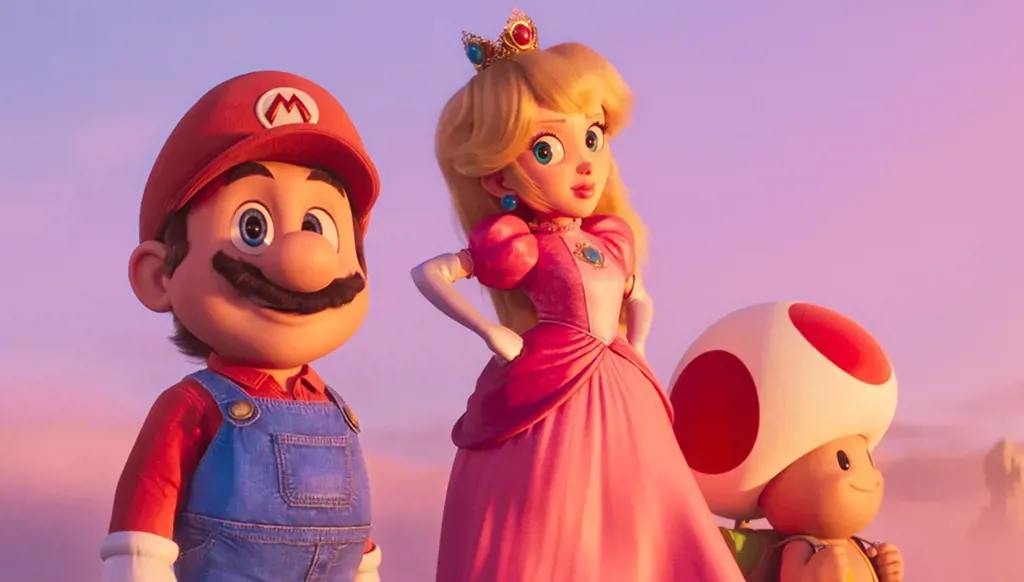


The film “Super Mario Galaxy Movie” has emerged over the past three weeks as one of the most contradictory successes of 2026. While the film has dominated the global box office, it has been met with a notably lukewarm critical reception.
The movie, which is the next installment in the global phenomenon first released in 2023, quickly established its dominance, approaching 750 million dollars worldwide within weeks and solidifying its position as the highest-grossing film in the world so far.
Despite becoming the biggest film of 2026 to date, surpassing Ryan Gosling’s “Project Hail Mary”, the new film received only 43 percent on the film review website Rotten Tomatoes. This contradiction, accompanied by a wave of negative reviews, led Nintendo’s Japanese designer and Mario creator Shigeru Miyamoto to express surprise at the severity of the critical response to “Super Mario”, which has earned 753 million dollars globally.
According to IGN, citing Nintendo Dream Web, Miyamoto described the critical reactions as “harsher than previous ones” and “strange”, given the film’s box office success.
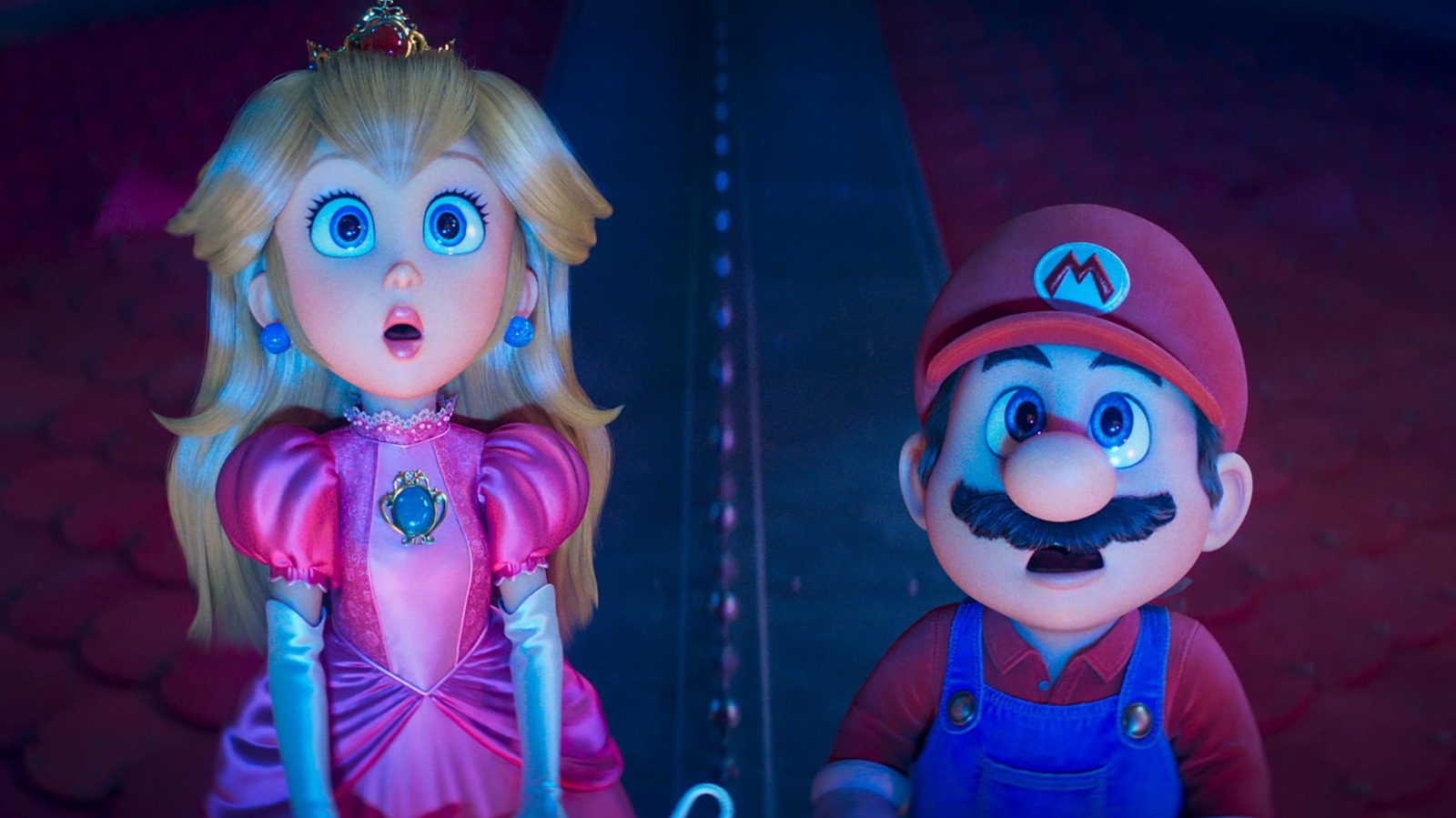
Miyamoto finally broke his silence regarding the wave of criticism surrounding “Super Mario Galaxy,” and his response leaned more toward surprise than toward defense or apology.
Describing the critical reception as “puzzling,” he indirectly revealed a deeper rift, not only between critics and audiences, but also between two fundamentally different ways of understanding what “Mario” is supposed to represent as a cultural character.
Division over the “Super Mario” film
In terms of facts and figures, the film is a major success, as it dominates the global box office and outperforms most contemporary releases. However, on the critical level, it has clearly struggled, with its ratings hovering around the 40 percent mark. The same criticisms appear repeatedly in reviews, focusing on weak storytelling, excessive reliance on events and details from the previous film, and an overwhelming sense that spectacle takes priority over substance.
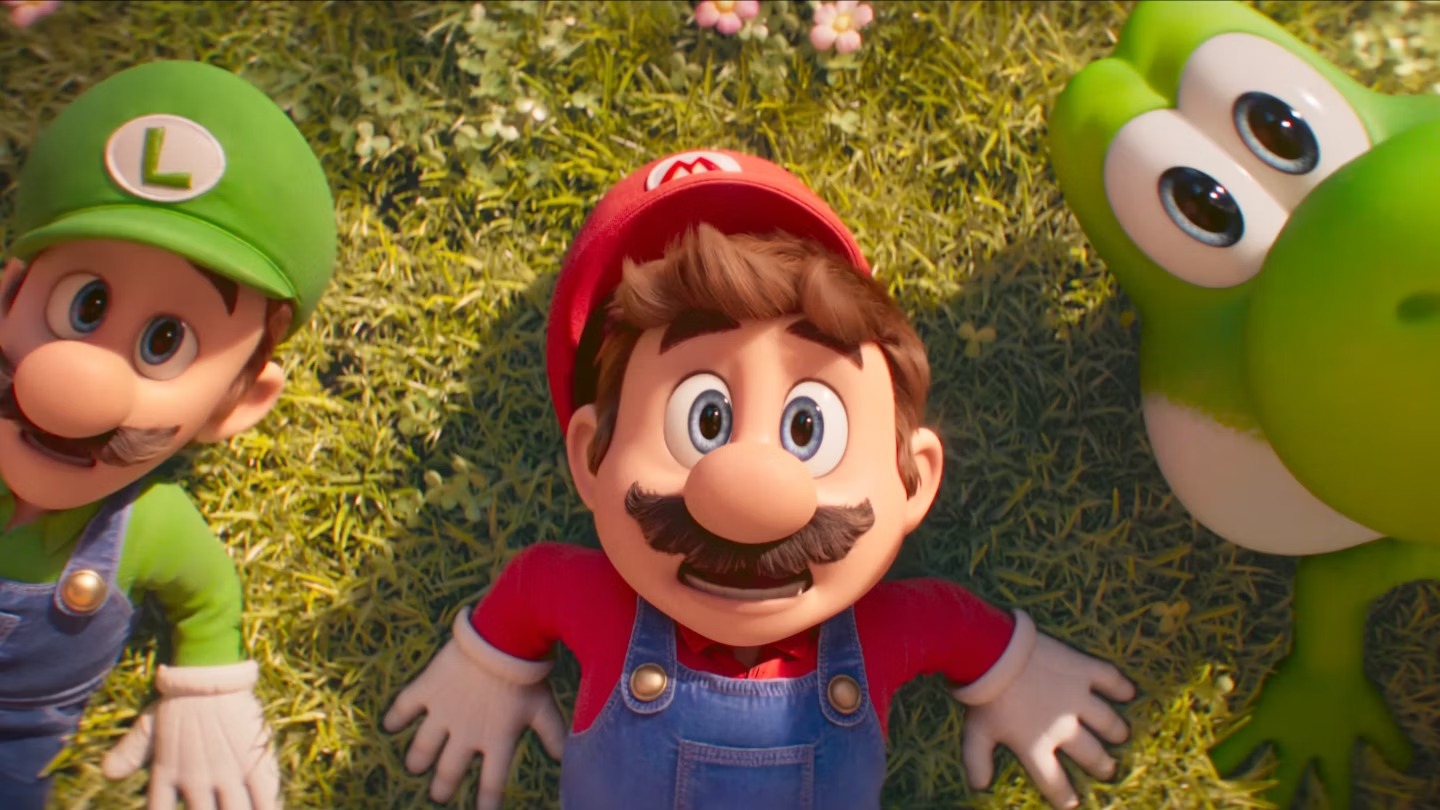
Miyamoto’s career has been rooted in a philosophy that prioritizes play over storytelling. From the earliest days of “Super Mario Bros.” through to the “Super Mario” film, his design logic has been built more on intuitive fun, spatial imagination, and elegant mechanics than on traditional narrative.
From this perspective, criticisms accusing the film of lacking narrative depth may, in his view, miss the point entirely. Mario was not originally created for cinema; it was designed for interaction, not for introspective storytelling.
What makes this case particularly striking is the size of the gap between both sides. Critics have described the film as “overloaded,” “superficial,” and “closer to a commercial product than a cinematic work,” pointing to its heavy reliance on surprises and fast pacing. They also see it as “fan service,” while audiences experience it as a continuation of a cultural character spanning generations.
Commercial success and intellectual property
The commercial success of the “Super Mario” film cannot be separated from the strength of its intellectual property. Mario is one of the rare icons that connects multiple generations seamlessly: millennials who grew up with the early games, Gen Z who rediscovered it through home consoles, and Gen Alpha who now encounter it through cinema and streaming platforms.
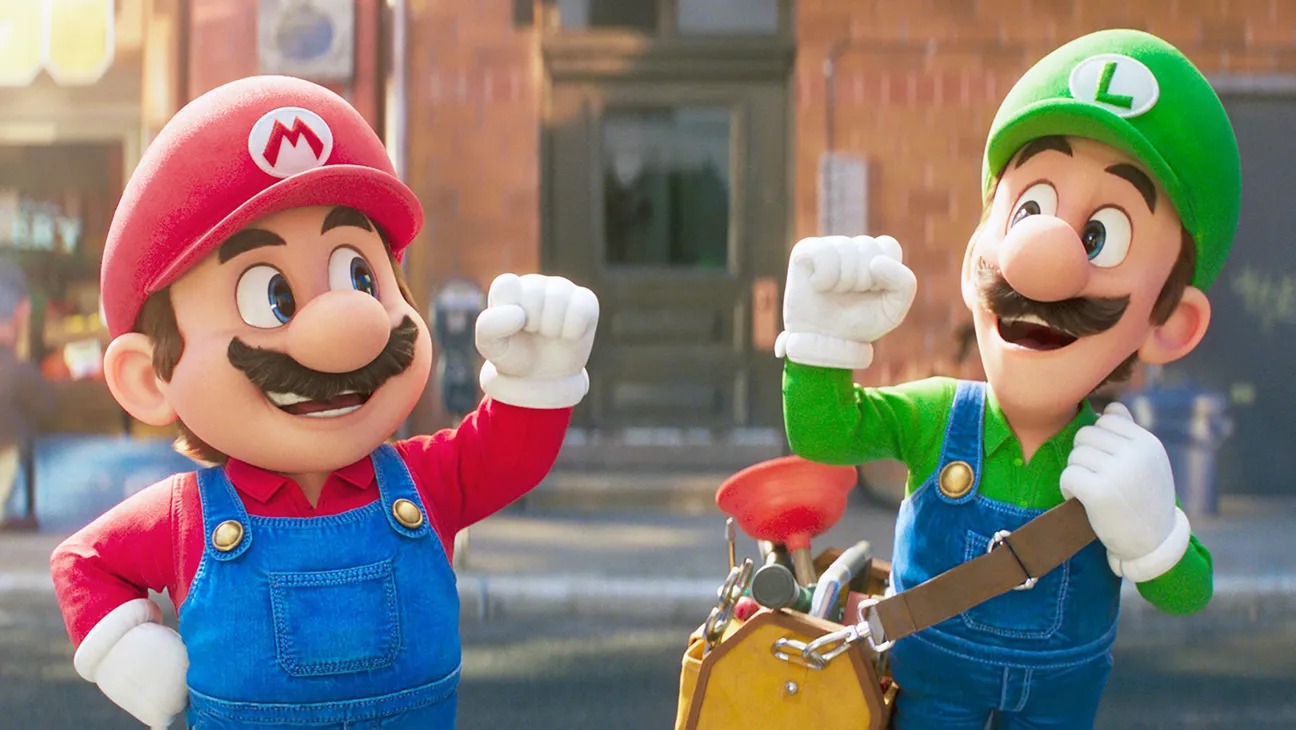
The film leverages this continuity, transforming nostalgia into a scalable economic engine. Even the harshest critics acknowledge that it is a strong contender to approach or surpass the one billion dollar mark globally.
Some industry insiders have also pointed to another key factor: Miyamoto’s direct involvement. Chris Meledandri, CEO of Illumination, the production company behind the film, described working with him as akin to receiving a “secret recipe,” suggesting that authenticity, however loosely defined, remains central to the brand’s appeal.
Ultimately, the tension surrounding the film may stem from its hybrid nature. It is neither a fully traditional film nor a pure extension of a video game. Instead, it exists in an in-between space where cinematic expectations collide with an interactive legacy.
Critics judge it as a film and find it lacking. Audiences experience it as “Mario” and find it satisfying.