From Hormuz to the dinner table: How a shipping crisis is raising rice prices worldwide
Global rice supplies remain stable, but rising transport costs, energy shocks, and Strait of Hormuz disruptions are quietly reshaping food prices across the Middle East and beyond.
On a quiet evening, a homemaker reaches for the rice bag in the kitchen cabinet, surprised by a new price increase. While not large at any moment, these increases accumulate, quietly becoming a daily burden on the shopping bill. What isn’t visible on the package is that this increase begins far away: from rice farms in South Asia, passing through the Strait of Hormuz, before reaching tables.
It's not a coincidence.
Outwardly, it seems the world is not short on rice. On the contrary, the latest data suggests that global supplies are relatively comfortable, with production expected to reach about 563 million tons in the 2025–2026 season—a record level. India, the top exporter, has resumed nearly full-capacity exports after exporting about 21.5 million tons in 2025, including more than six million tons of Basmati rice. This keeps global rice prices relatively under control, even pushing them down at times.
Why does it decrease in one place and rise in another?
Recent data shows that the global rice price index fell by about three percent in March 2026 compared to the previous month, despite a general rise in food prices. Here lies a significant paradox: global prices are falling while rising in some markets. The reason is a fundamental weakness in supply chains, not production volume.
Due to the Iran war and the resulting navigational disruptions through the Strait of Hormuz, oil prices jumped above $100 a barrel at the height of tension before partially retreating, while shipping and insurance costs rose sharply before becoming volatile due to uncertainty. This disturbance was not caused by a single factor but by compound pressure: tensions and restrictions on navigation in the strait, contrasted with a U.S. siege that began in mid-April targeting ships headed to or from Iranian ports, making trade slower, more costly, and more complex.
This waterway does not transport oil alone; large quantities of agricultural inputs pass through as well. Recent estimates indicate that about a third of global trade in urea—the most widely used nitrogen fertilizer—traverses this route. As the crisis escalated, urea prices rose from about $470 per ton to about $550 per ton within weeks, reflecting a nearly $80 per ton increase in fertilizer costs.
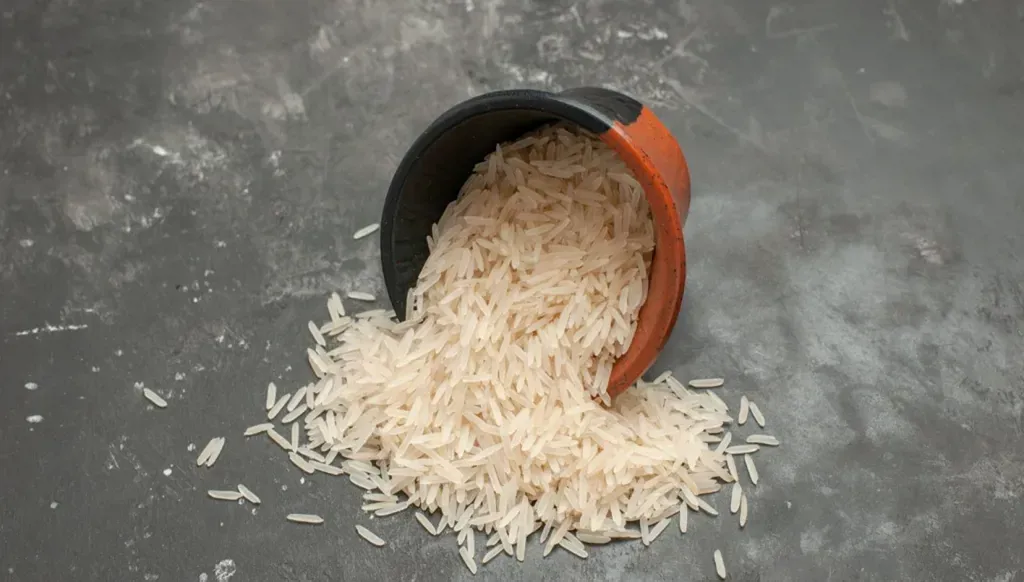
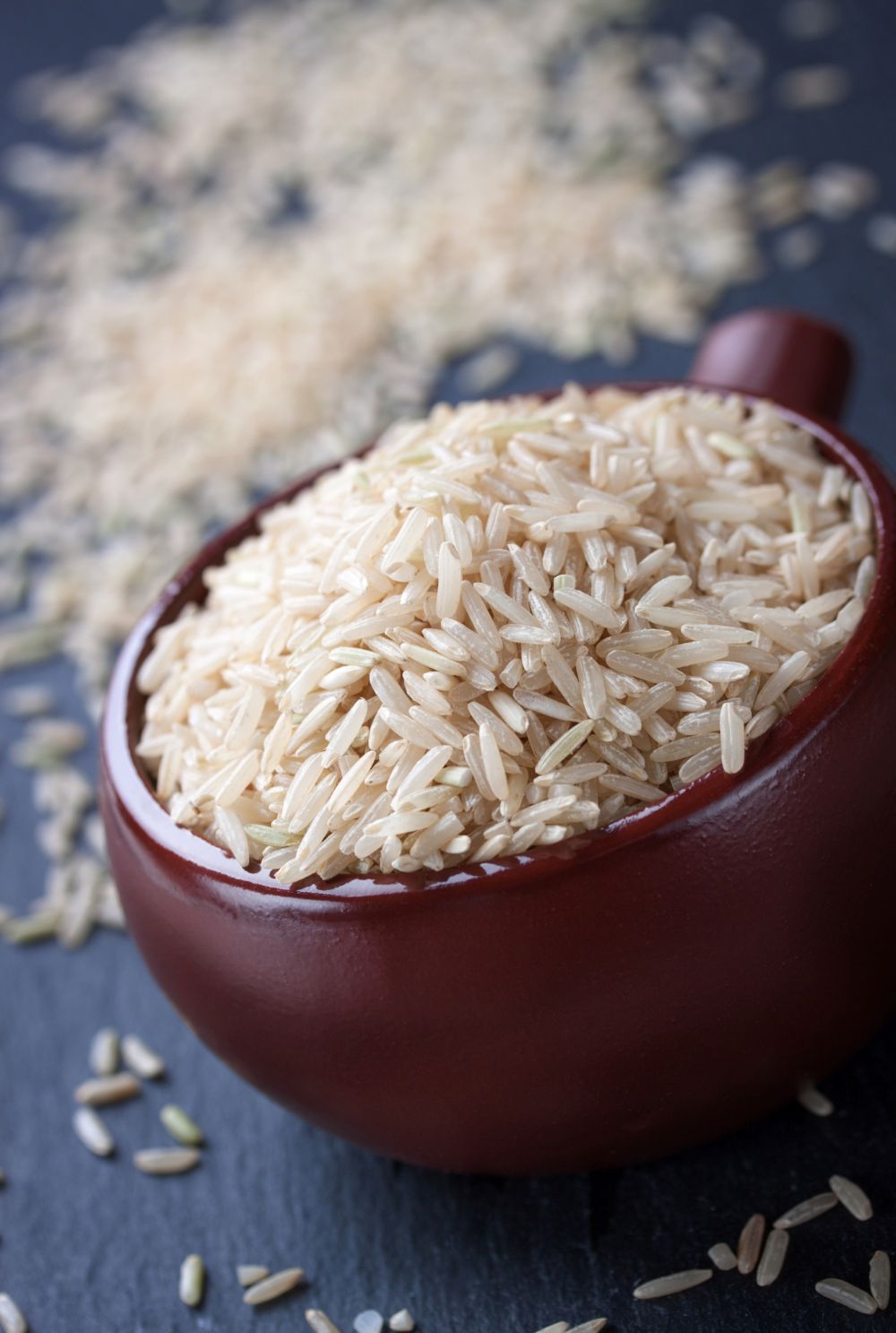
Indian rice. (Freepik)
Why does the first shock appear in transportation?
Rice, especially Basmati, relies on long-distance sea shipments. With rising shipping and insurance costs, every shipment becomes more expensive before reaching its destination. In many cases, trade does not stop completely, but it becomes slower and more costly, leading to temporary bottlenecks in importing markets. These bottlenecks do not indicate a global rice shortage but rather challenges in ensuring timely and reasonably priced deliveries.
This impact quickly reflected in prices; Basmati rice export prices rose from $925 per ton in December 2025 to about $1,150 per ton in January 2026, a nearly 24% increase in one month. Indian wholesale market prices also saw an additional rise of about seven percent during April 2026, as demand returned from Middle Eastern markets.
But the situation is more complex with Basmati rice, a luxury item essential in Gulf cuisine, sourced mainly from India and Pakistan and primarily destined for Saudi, UAE, Iraqi, and Iranian markets. Gulf demand is not marginal; it is central to this market. Even before the war, Basmati prices were affected by internal factors such as fluctuating supplies, intensified competition for high-quality crops, and strong export demand. These factors made prices more sensitive to external shocks.
Here the factors intersect. On one hand, shipping costs raise the final price in importing markets, especially Gulf markets. On the other, disruptions in the strait delay or redirect shipments. With every delay, financing and storage costs increase, adding pressure on local prices.
What is the slower but heavier impact?
Fertilizer price hikes do not immediately take effect but put pressure on future agricultural production costs. If this trend continues, a temporary transport crisis may turn into a significant strain on food production, including rice. At the same time, costs increase across everything related to the commodity: transport, storage, and distribution. In import-reliant economies, as in most Arab countries, these increases quickly affect the end consumer.
In the Middle East and North Africa, the situation is more sensitive. The region is among the most dependent on imported food, especially grains and rice. Any disruption in global trade amplifies these pressures. The challenge is not global availability, but smooth and reasonably priced procurement.
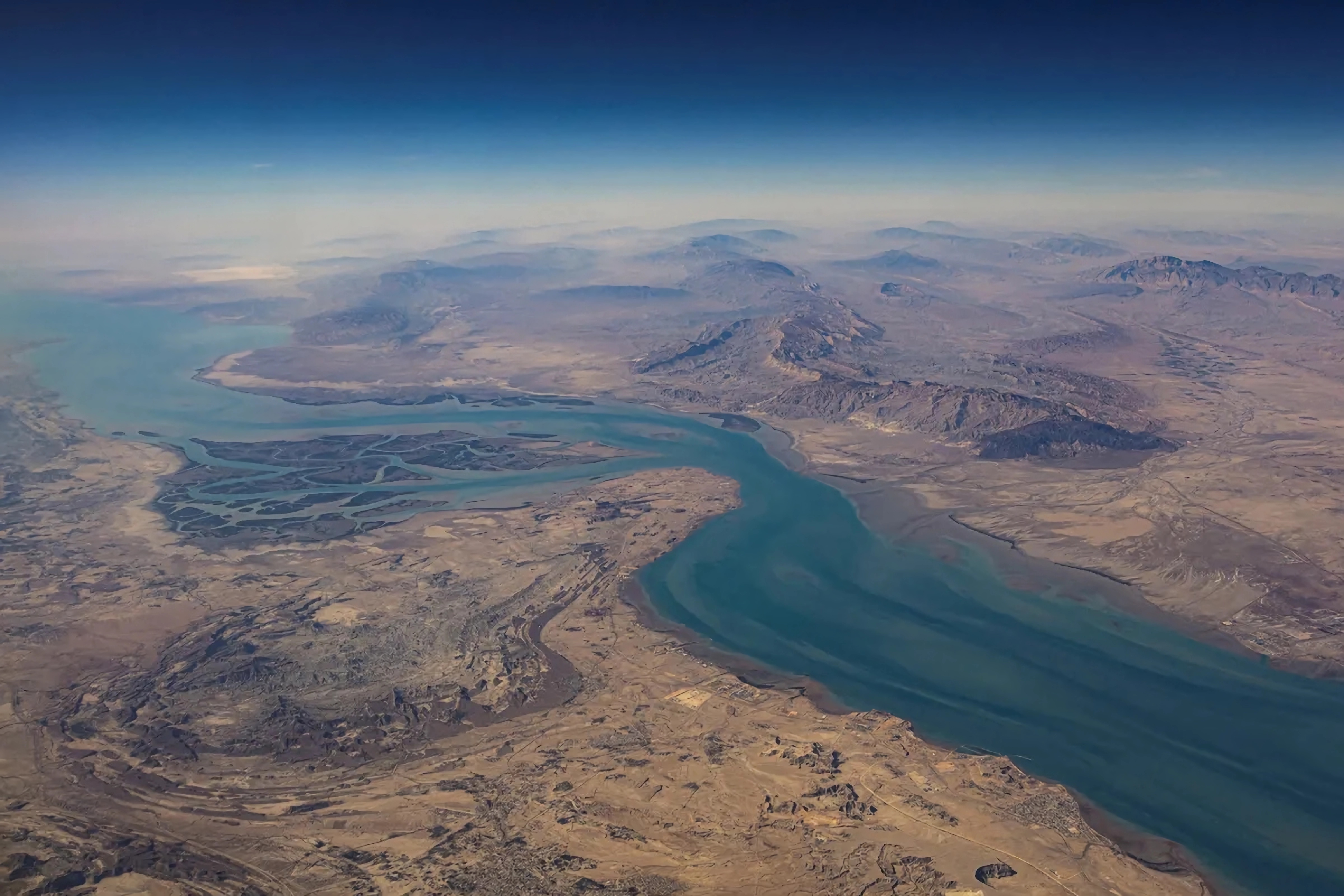
Strait of Hormuz. (AFP)
Lebanon is a clear example: it heavily relies on rice imports, making it vulnerable to rising shipping costs or supply chain disruptions. With limited purchasing power due to the ongoing financial crisis since 2019, gradual price increases become palpable pressure on families, forcing them to reprioritize their dietary needs.
This crisis is distinguished by not beginning in the fields. Global rice supplies remain relatively comfortable, but the issue lies in access, not availability. The crisis moves through indirect channels: energy, shipping, insurance, and fertilizers. It is a crisis of cost and flow, not absolute shortage.
In the end, consumers, especially in Arab countries, do not need to follow commodity markets to understand what is happening. Just look at a bag of rice. From Basmati grains to Kabsa or Biryani dishes, every meal today bears the mark of a long journey through the Strait of Hormuz. It is becoming clear that the distance between Hormuz and the table is not as far as it once seemed.



 Messenger
 Whatsapp
 Threads
 Email
Email
 Print
Print
 X
X
 Facebook