

Middle East aviation recovery advances cautiously after US-Iran ceasefire


 Messenger
 Whatsapp
 Threads
 Email
Email
 Print
Print
 X
X
 Facebook


The aviation sector in the Middle East is experiencing a gradual recovery following the ceasefire between the United States and Iran. However, a full return to normal operations remains distant, as airspace restrictions across the region persist due to ongoing uncertainty, operational challenges, and rising fuel costs.
Airlines, particularly in the Gulf, have begun rescheduling flights and expanding their destinations, but at a cautious pace that reflects continuing security concerns.
What is limiting aviation expansion?
Gulf carriers are moving with clear caution. Etihad Airways continues to operate a limited schedule, with expansion plans that include five new destinations in China, bringing its total to 35 weekly flights across six cities.
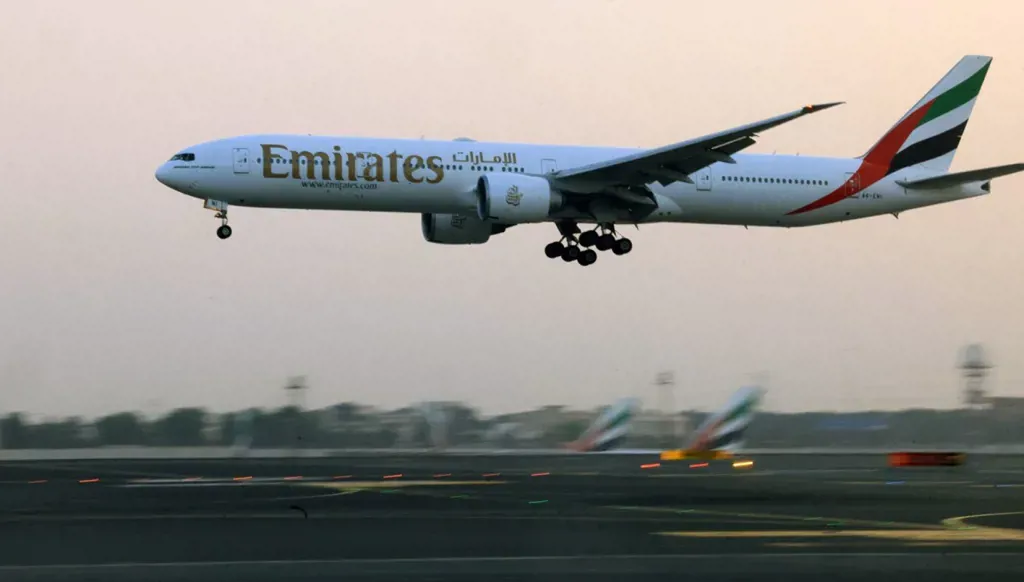
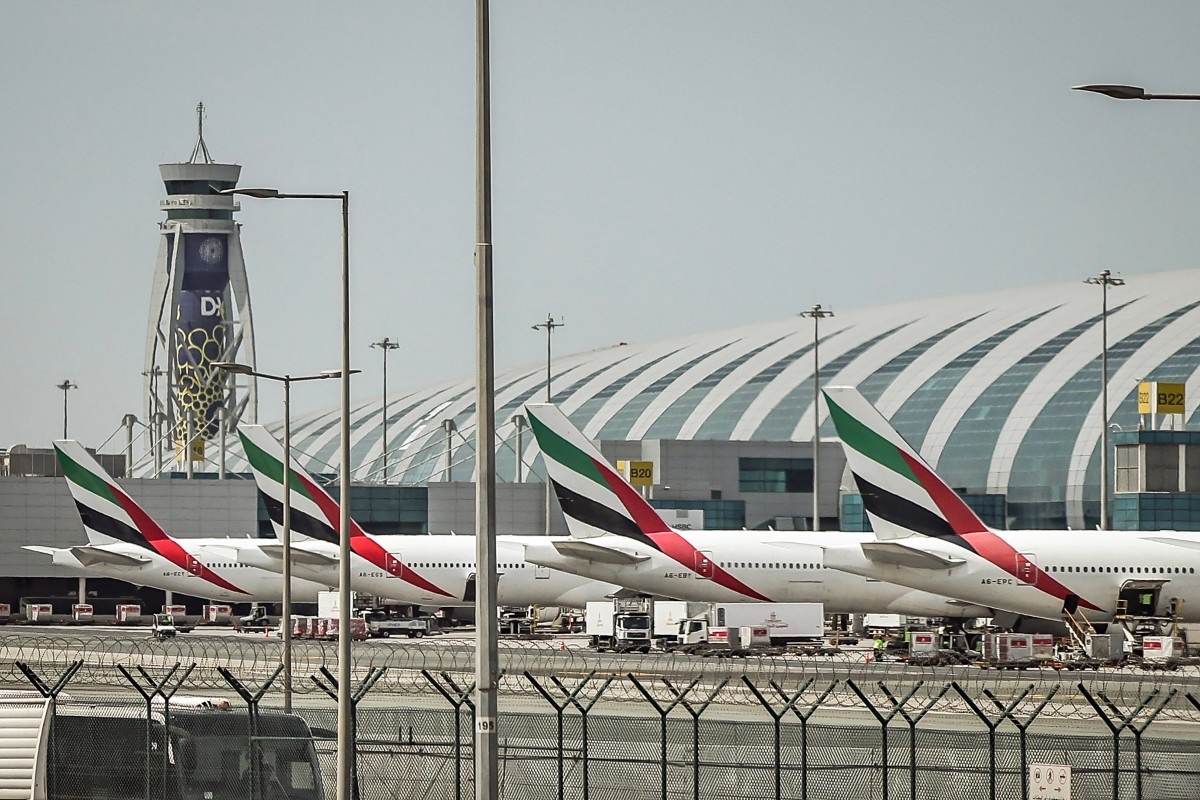
Emirates Airline continues to operate flights to more than 100 destinations, but on a reduced schedule, while maintaining flexibility in modifying bookings under specific conditions. Meanwhile, flydubai and Air Arabia are operating below their usual capacity, affected by rerouted flight paths that lengthen travel times and increase operating costs.
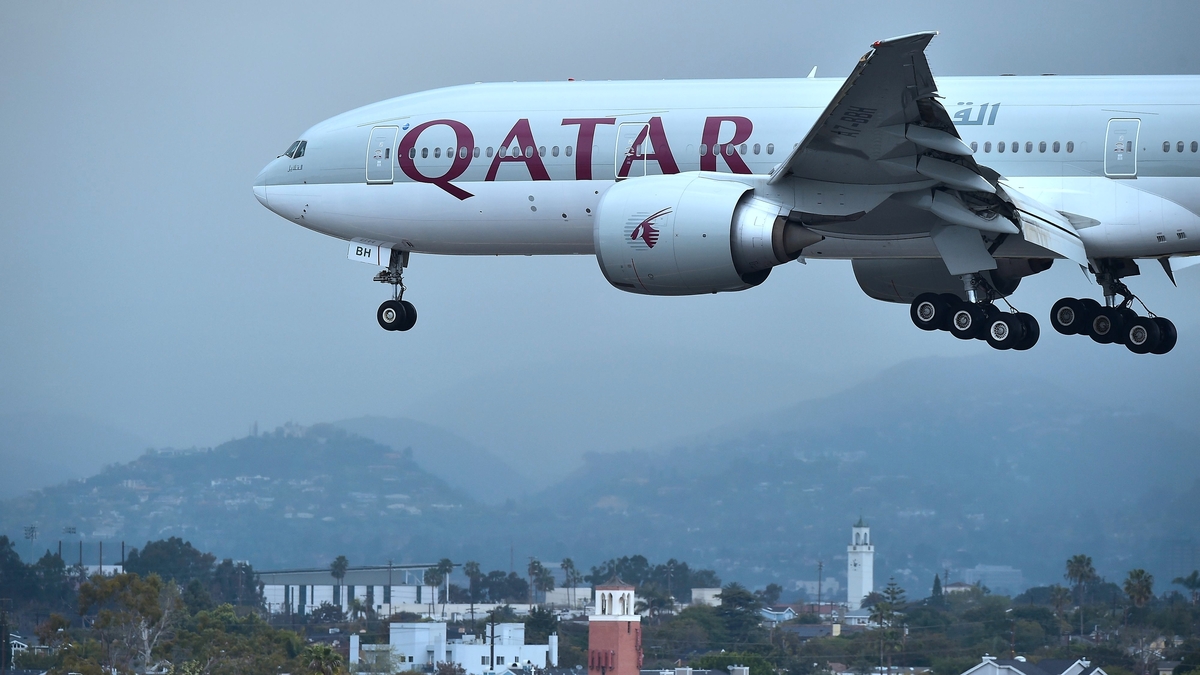
Qatar Airways appears to be further along in its recovery, with operations rising to 310 flights per day, around 50 percent of its operational capacity, alongside plans to reach more than 120 destinations by mid-May.
Aviation expert Dr Samir Raouf says the improvement in travel activity reflects a gradual return of passenger confidence. This has translated into higher passenger numbers and load factors, particularly on routes that were most affected by geopolitical tensions.
How fast is the recovery?
The pace of recovery varies across countries and airlines. Oman Air has begun restoring some of its routes, notably to Dubai and Bahrain starting April 18, while SalamAir continues to suspend its flights to Iran until August 31 and to several regional destinations until May 30.
Gulf Air has also resumed operations gradually, while Saudia has restarted a limited number of flights since April 11 to various Asian and European destinations.
In contrast, Kuwait Airways is still operating at a very limited level, with its full commercial activity yet to resume.
Raouf links the recovery in air traffic to jet fuel costs. He says the improvement has not translated into lower prices at the same pace due to persistently high fuel costs, which account for about 30 percent of operating expenses. Oil prices, particularly Brent crude, remain relatively elevated compared to previous periods, hovering around 95 dollars per barrel, placing direct pressure on airlines.
The crisis has directly driven up ticket prices due to higher fuel and insurance costs and longer flight routes. According to the International Air Transport Association, jet fuel prices have risen to around 200 dollars per barrel, an increase of 130 percent compared to last year, adding significant strain on airlines. The average one way economy ticket from Dubai to London has reached about 580 dollars, compared with 320 dollars before the war.
What approach are international airlines taking?
Globally, airlines such as British Airways, Lufthansa and KLM are adopting a cautious approach, with gradual resumptions and some flights suspended until May or October. Singapore Airlines has also canceled its flights to Dubai until May 31, while Cathay Pacific has extended its suspension for the same period.
In pricing, carriers such as Ryanair, easyJet and British Airways are maintaining relative stability until mid-May, with expectations of higher fares in the summer. Virgin Atlantic has introduced additional charges of up to 476 dollars per flight. Airlines are also turning to hedging strategies, cutting unprofitable routes and improving fleet efficiency.
What do experts recommend?
Aviation and travel experts advise booking early to secure better fares and ensure flexibility in case of changes. Julia Lo Bue-Said, chief executive of the Advantage Travel Partnership network, says the best strategy is to book early through a travel agent to guarantee greater flexibility.
Brian Terry of Alton Aviation Consultancy highlights the importance of choosing airlines that can adapt to operational changes.
Overall, the aviation sector is in a delicate transitional phase, with recovery advancing in measured steps driven by safety and cost considerations. Despite the improvement in travel activity, the sector remains under pressure from high fuel prices and operational constraints, making a full recovery dependent on regional stability.