

Economic pressure and miscalculation shape Trump’s war with Iran


 Messenger
 Whatsapp
 Threads
 Email
Email
 Print
Print
 X
X
 Facebook
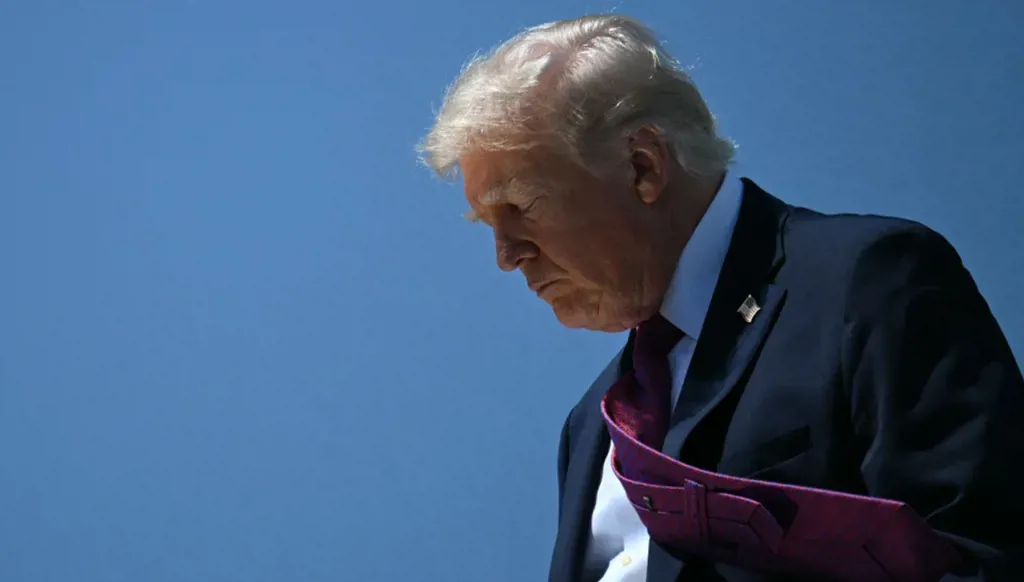


Seven weeks of war did not succeed in bringing down Iran’s religious rulers or forcing them to comply with all the demands of US President Donald Trump, but for opponents and allies of the United States it revealed one of its main weaknesses, which is economic pressure.
Even after Iran announced on Friday that it would reopen the Strait of Hormuz to navigation, the Middle East crisis exposed the limits of Trump’s willingness to endure domestic economic pain.
Trump joined Israel in attacking Iran on 28 February, relying on what he described as imminent security threats, especially regarding its nuclear program. But now, with rising gasoline prices in the United States, increasing inflation, and declining popularity, Trump is racing to reach a diplomatic agreement that would reduce the domestic fallout.
Analysts say Iran has suffered a severe military blow, but it has demonstrated an ability to impose economic costs that Trump and his aides underestimated, resulting in what is described as the worst global energy shock in history.
Rising energy costs and the risk of an economic recession
Trump has often publicly dismissed concerns about the domestic economic impact of the war.
However, he cannot ignore that although the United States does not rely on a fifth of global oil shipments that were effectively blocked due to Iran’s control of the strait, rising energy prices have negatively affected American consumers. A warning from the International Monetary Fund about the risk of a global recession further deepens this bleak situation.
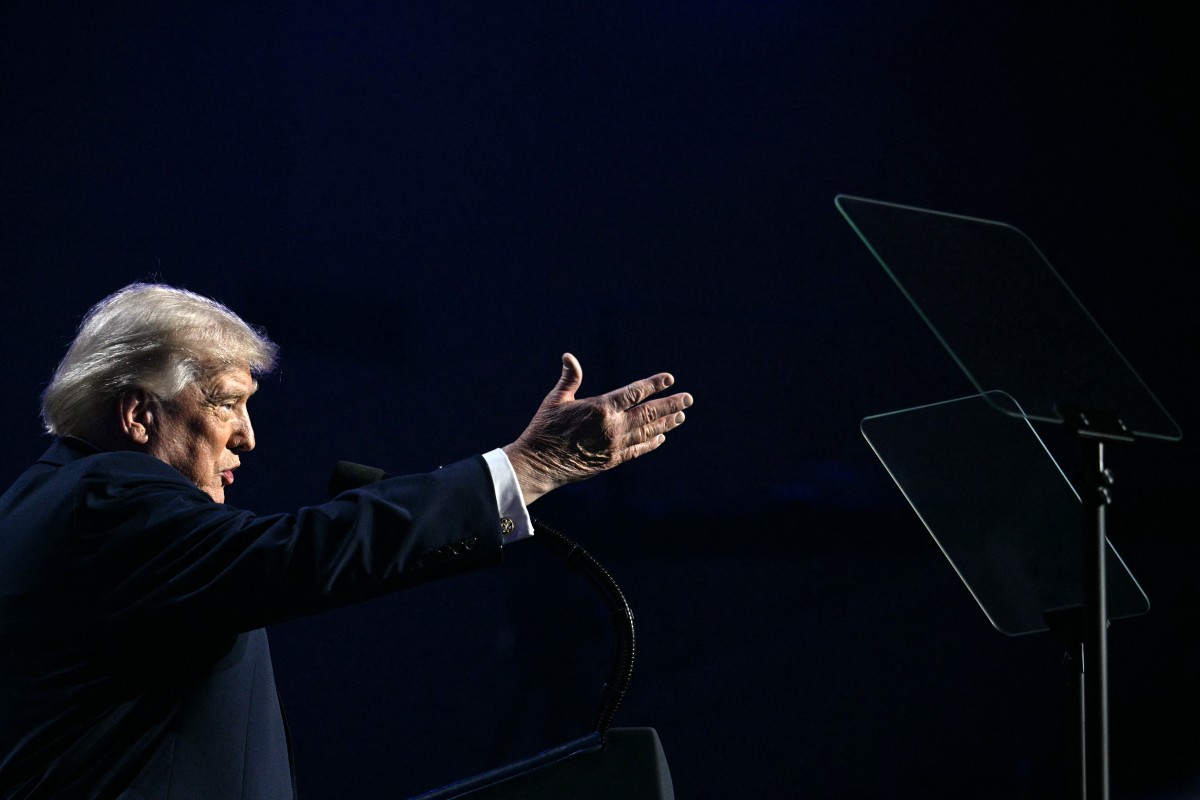
Pressure has increased to find an exit from this war, which does not enjoy support in the United States, as members of Trump’s Republican Party are defending their narrow majority in Congress in the midterm elections in November.
None of this is lost on Iranian leaders, who have used their control of the Strait of Hormuz to push Trump’s team to the negotiating table.
Russia and China and drawing lessons
Analysts say China and Russia, US adversaries, may draw a similar lesson. While Trump has shown a willingness to use military force in his second term, he seeks a diplomatic exit once the economic situation becomes troubling domestically.
Brett Bruen, a former foreign policy adviser in the administration of former President Barack Obama and currently head of the consulting firm Global Situation Room, said: “Trump feels economic distress, and that is a weakness in this war.”
White House spokesperson Kush Desai said that while the administration is working to reach an agreement with Iran to address “temporary” energy market problems, it has “never lost focus on delivering the president’s agenda of affordability and growth.”
Growing pressures from economic burden
Trump’s sudden shift on 8 April from airstrikes to diplomacy came after pressure from financial markets and some of his policy supporters.
Part of the economic burden is being borne by American farmers, a key voter base for Trump, due to disruptions in fertilizer shipments. This is also reflected in rising airline ticket prices as a result of higher jet fuel costs.
As the two-week ceasefire period approaches its end, it remains unclear whether the US president, known for his unpredictable approach, will reach a deal that fulfills his war objectives, extend the truce beyond 21 April, or resume the bombing campaign.
However, global oil prices have fallen sharply, while financial markets, which Trump often considers a measure of his success, surged on Friday after Iran said the strait would remain open for the remainder of a separate 10-day ceasefire between Israel and Lebanon brokered by the United States.
Trump quickly declared that the Strait of Hormuz was safe, praising a deal under preparation with Iran that he said would be concluded soon and largely on his terms. However, Iranian sources told Reuters that some gaps still need to be resolved.
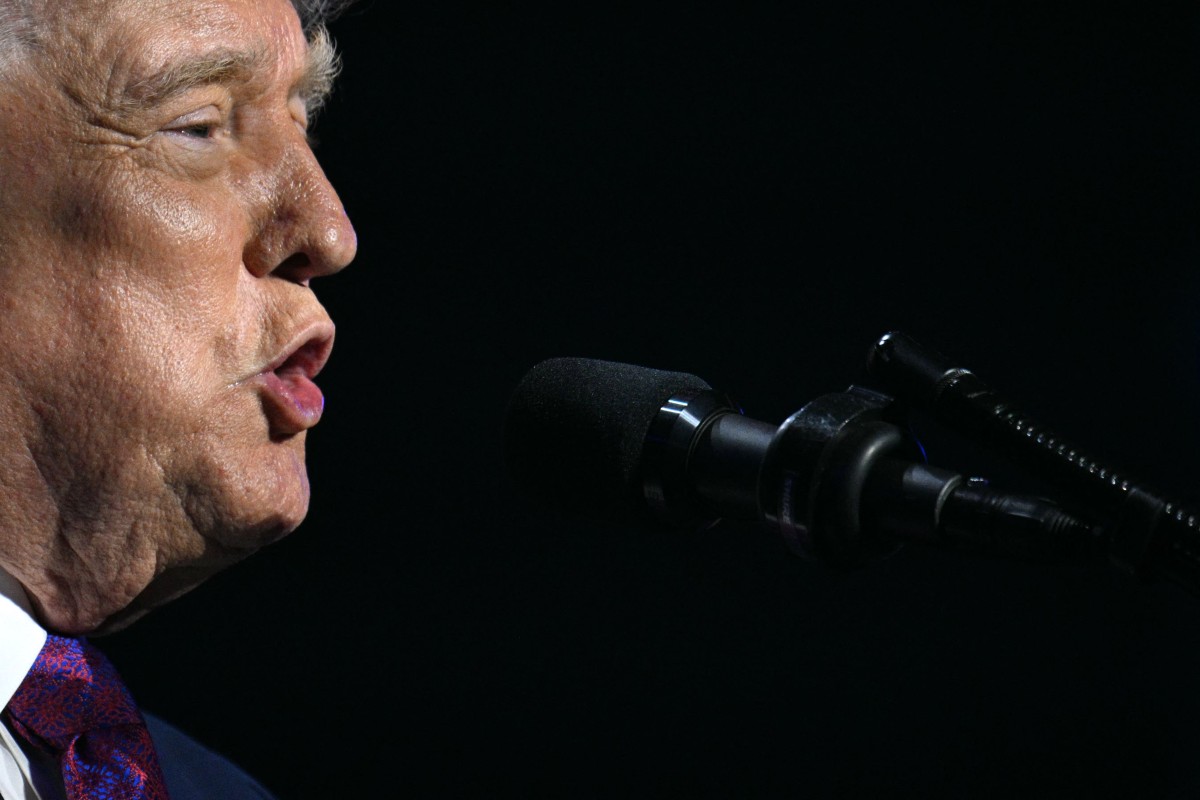
Experts have warned that even if the war ends soon, the economic damage could take months, if not years, to repair.
The key question remains whether any agreement will achieve Trump’s stated objectives, including closing Iran’s path toward acquiring a nuclear weapon, which Tehran has long denied pursuing.
Iran possesses a stockpile of highly enriched uranium, which is believed to have been buried as a result of US and Israeli airstrikes in June. Trump told Reuters on Friday that the agreement being prepared calls for the United States to cooperate with Iran to recover these materials and transfer them to the United States. Iran has denied agreeing to transfer uranium anywhere abroad.
A senior Trump administration official said that the United States is maintaining “several red lines” in negotiations with Iran.
At the same time, Trump’s initial wartime call for Iranians to overthrow their government received no response.
At first, US allies from Europe to Asia were shocked by Trump’s decision to go to war without consulting them or considering the risks they could face from Iran closing the Strait.
Gregory B. Poling, an Asia affairs expert at the Center for Strategic and International Studies in Washington, said: “The alarm bell now ringing for allies is how the war has highlighted that the US administration can act in an erratic way, with little regard for consequences.”
After Russia’s invasion of Ukraine in 2022, former US President Joe Biden, a Democrat, was cautious about imposing sanctions on Russia’s energy sector, fearing a reduction in oil supply and higher gas prices in the United States.
But Trump, who pledged during his campaign for a second term to deliver low-cost gasoline and reduce inflation, has shown that he is sensitive to accusations that his policies raise prices. One example is reducing tariffs on China last year after Beijing responded in kind to high tariffs.
Miscalculations around the scale of war
Just as Trump miscalculated Beijing’s response in the trade war, he also appears to have miscalculated how Iran would respond economically in a conventional war, by targeting energy infrastructure in Gulf countries and closing the region’s strategic waterway.
US officials, in closed-door discussions, said Trump wrongly believed the war would be a limited operation, similar to the quick strike he carried out in Venezuela on 3 January, and the strikes targeting Iranian nuclear sites in June.
This time, however, the consequences were much broader.
The message to Asian allies such as Japan, South Korea, and Taiwan may be that Trump, who is seeking warmer relations with China, could pursue his regional objectives while paying less attention to their geopolitical and economic security.
Analysts believe those governments will adapt to any developments, such as a potential Chinese attempt to seize Taiwan, out of concern over Trump’s credibility.
Gulf states want the war to end soon, but they would be dissatisfied if Trump reached a deal without security guarantees for them.
Anwar Gargash, diplomatic adviser to the President of the United Arab Emirates, said: “The end of this conflict should not create a continued state of instability in the region.”