

Ceasefire Holds in Lebanon as Diplomatic Push Intensifies for Broader Iran Deal


 Messenger
 Whatsapp
 Threads
 Email
Email
 Print
Print
 X
X
 Facebook
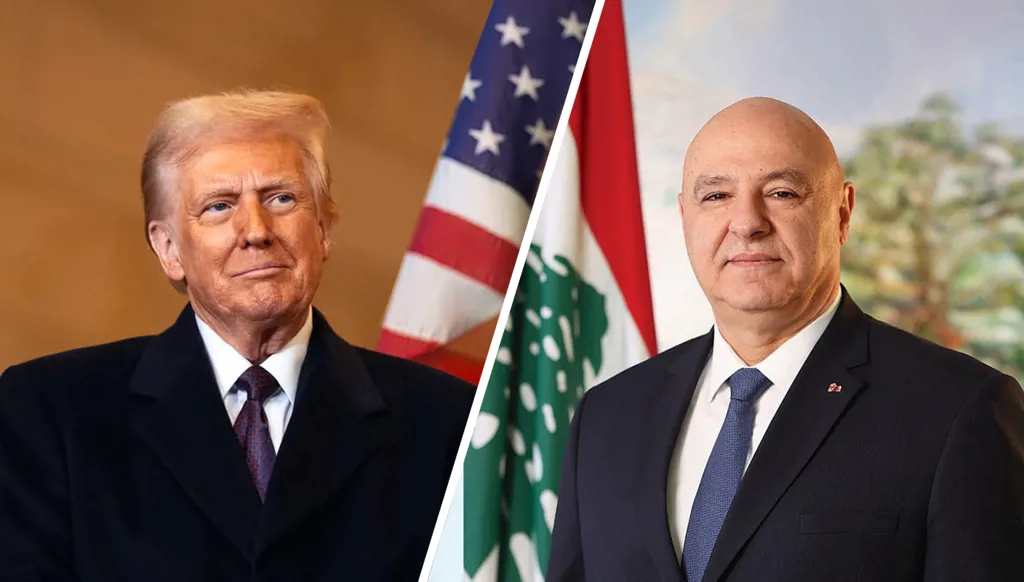


A 10-day ceasefire announced by Donald Trump and agreed to by Lebanon and Israel appeared to be holding early Friday, raising cautious hopes for broader efforts to extend a truce involving Iran, the United States and Israel.
It remained unclear whether Washington and Tehran could reach a lasting agreement before the ceasefire expires next week. Still, the pause in fighting between Israel and the Iran-backed Hezbollah militant group signaled potential progress.
Ending Israel’s war with Hezbollah has been a key demand of Iranian negotiators. Hezbollah said any ceasefire must apply across all Lebanese territory and must not allow Israel “any freedom of movement.”
Israeli Prime Minister Benjamin Netanyahu said he agreed to the ceasefire to advance peace efforts with Lebanon but added that Israeli troops would not withdraw.
Pakistan’s army chief met with Iran’s parliament speaker Thursday as part of international efforts to extend the ceasefire, which has halted nearly seven weeks of war.
Mediators are seeking compromise on three main issues: Iran’s nuclear program, the reopening of the Strait of Hormuz and compensation for wartime damages, according to a regional official involved in the talks.
Reopening the strategic waterway has become a priority for the United States and its allies as a worsening global energy crisis deepens due to the disruption of oil flows. Leaders from France and the United Kingdom are expected to convene talks Friday with dozens of countries to advance plans to reopen the strait, though the United States is not expected to participate.
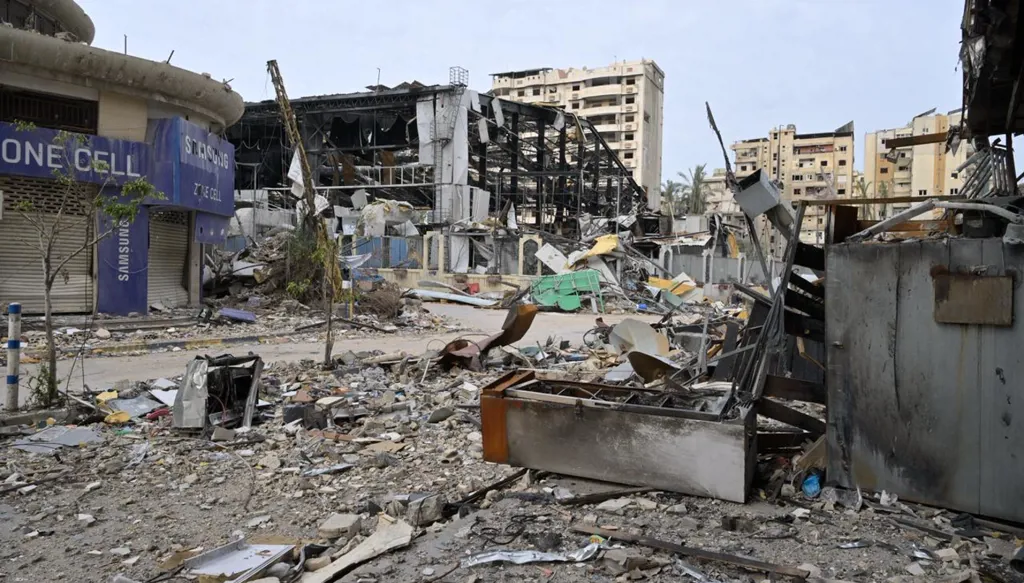
The conflict has killed at least 3,000 people in Iran, more than 2,100 in Lebanon, 23 in Israel and over a dozen in Gulf Arab states. Thirteen U.S. service members have also been killed.
French President Emmanuel Macron welcomed the ceasefire and called for it to be extended, urging Hezbollah to disarm and Israel to respect Lebanese sovereignty.
German Foreign Minister Johann Wadephul also backed the truce and said long-term agreements were needed to secure the border, protect civilians and ensure the safety of U.N. peacekeepers. He added that lasting stability would require the disarmament of Hezbollah.
Trump said he would invite Lebanon’s president, Joseph Aoun, and Netanyahu to the White House for what he described as the first meaningful talks between Israel and Lebanon since 1983.
However, a Lebanese official said Aoun declined to speak directly with Netanyahu during a call mediated by U.S. Secretary of State Marco Rubio, adding that Washington understood Lebanon’s position.
Despite the ceasefire, clashes continued along the border. Hezbollah fired rockets and drones toward northern Israel, while Israeli strikes intensified in southern Lebanon, particularly around Tyre, Nabatieh and Bint Jbeil.
Israel has said its forces are pushing deeper into southern Lebanon to establish what it calls a “security zone” extending up to 10 kilometers inside Lebanese territory.