

Opinion
13-04-2026 | 08:13
Islamabad talks collapse: U.S.–Iran standoff returns the world to a dangerous waiting game
After 21 hours of high-stakes negotiations and no deal, fragile truce holds as Washington and Tehran remain locked in hard red lines over nuclear limits, missiles, and the Strait of Hormuz.


 Messenger
 Whatsapp
 Threads
 Email
Email
 Print
Print
 X
X
 Facebook
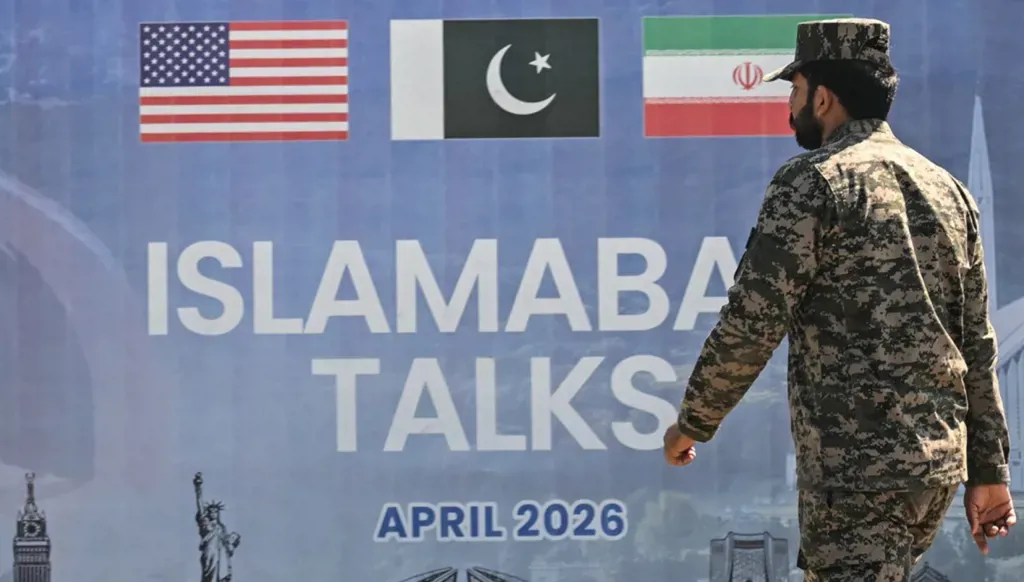
A member of Pakistani security passes in front of a billboard about the US–Iran talks in Islamabad. (AFP)


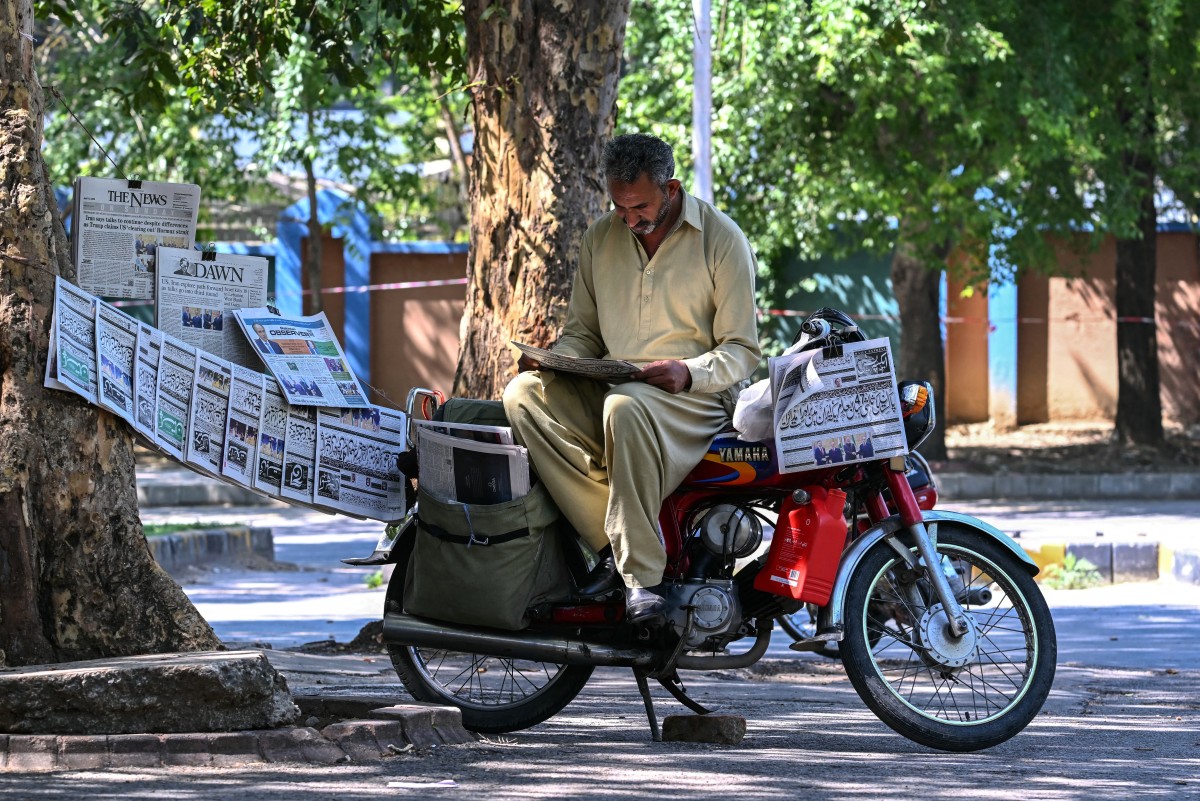 A newspaper vendor in Islamabad reads headlines about the failure of the U.S.-Iranian talks. (AFP)
Between illusion of victory and risk of escalation