

Middle East
12-04-2026 | 09:54
US-Iran talks collapse in Islamabad: Trump signals naval blockade strategy as Strait of Hormuz tensions escalate
US-Iran negotiations in Islamabad end without a deal after 21 hours, as Trump hints at a naval blockade strategy and Washington prepares military options in the Strait of Hormuz amid rising tensions.


 Messenger
 Whatsapp
 Threads
 Email
Email
 Print
Print
 X
X
 Facebook
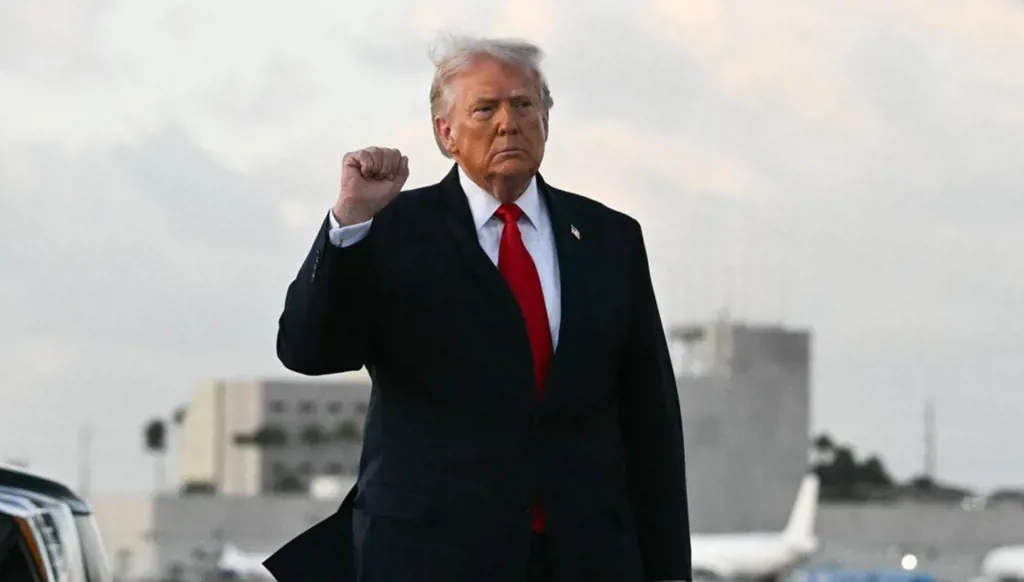
U.S. President Donald Trump at Miami International Airport in Miami, on April 11, 2026 (AFP).


Vance emphasized that this outcome is “worse for the Iranians” than for the Americans, while Tehran described the U.S. conditions as “excessive.”
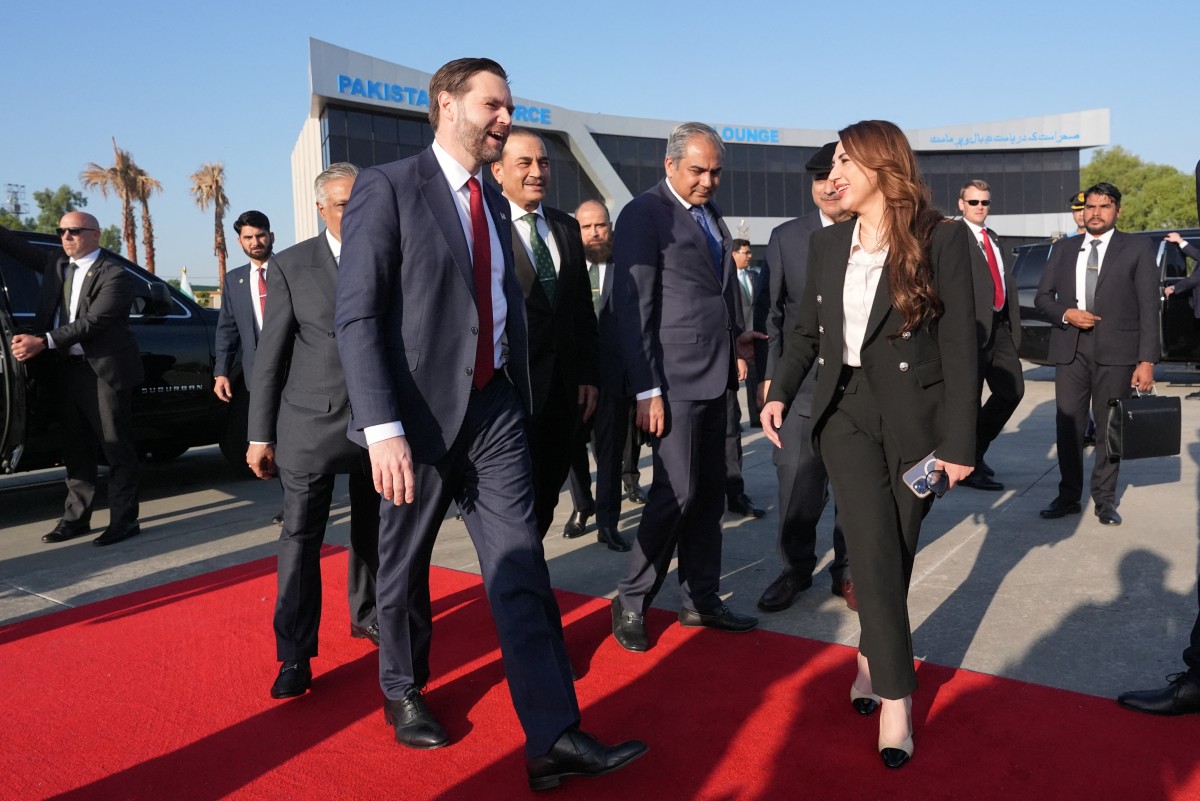 U.S. Vice President J.D. Vance with Pakistani officials after attending talks on Iran in Islamabad on April 12, 2026 (AFP)
Furthermore, Vance announced that the United States is presenting its “final and best offer” to Tehran, with the central demand remaining that Iran abandon the development of nuclear weapons, a condition Iran has not accepted so far.
Statements from military experts indicate that seizing or destroying Kharg Island, Iran’s main oil export hub, would give Washington maximum pressure on the Iranian economy if Tehran refuses to comply with U.S. conditions.