Historic ceasefire between U.S. and Iran brings temporary calm to Middle East
With Tehran and Washington claiming victory, behind-the-scenes talks—including Trump’s coordination with Netanyahu and Iran’s Supreme Leader’s approval—led to a two-week truce reopening the Strait of Hormuz.
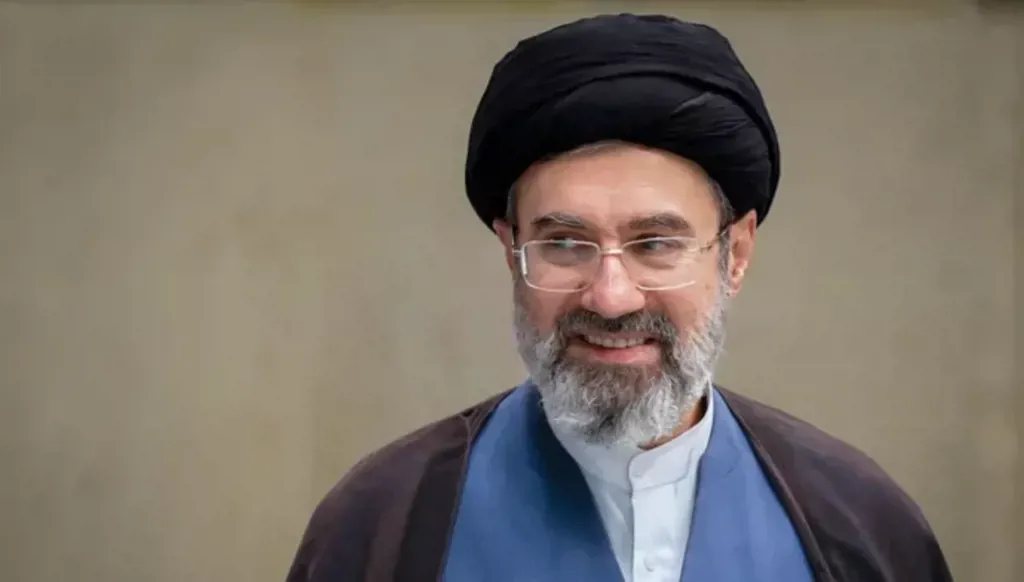
Axios reported, citing a source, that the Supreme Leader of Iran, Mojtaba Khamenei, actively participated in the negotiation process, and that without his approval the agreement would not have been reached.
He said that Iran did not withdraw from the negotiations after U.S. President Donald Trump’s statements about wiping out an entire civilization, and noted that Israeli Prime Minister Benjamin Netanyahu was in contact with Trump and his team throughout the day.
Axios also quoted a military official saying that the situation was volatile, and they did not anticipate what would happen before Trump's ceasefire announcement.
Officials said that the U.S. military spent the last hours preparing for a broad bombing campaign on Iranian infrastructure, and noted that allies in the region were preparing for an unprecedented Iranian response.
Furthermore, Axios quoted a source saying that the Pakistanis circulated new drafts between Witkoff and Araghchi.
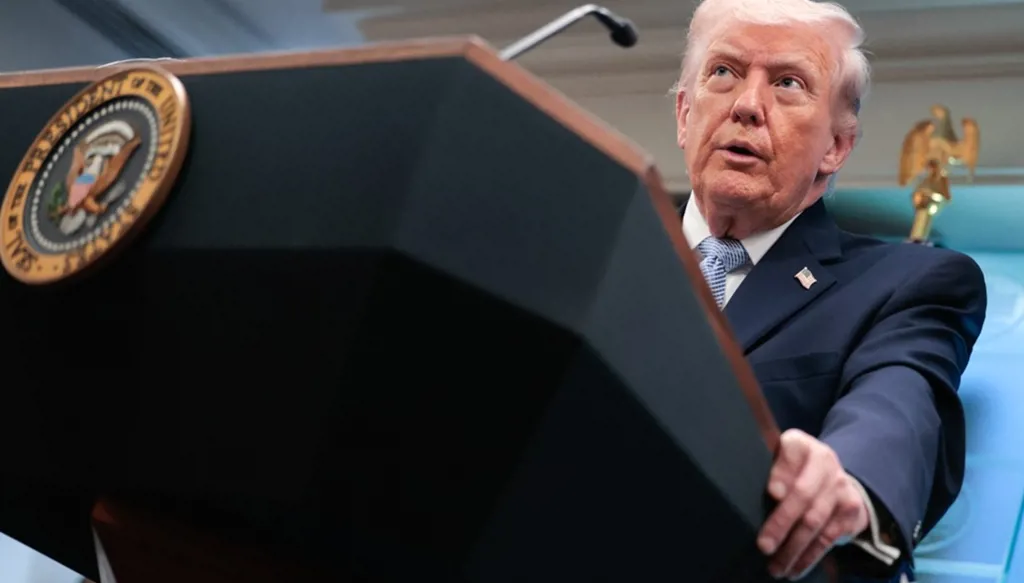
Donald Trump (AFP)
He explained that mediators obtained Washington's approval on Monday evening for an updated ceasefire proposal extending for two weeks, indicating that Trump spoke with Netanyahu before publishing Washington's approval to ensure his commitment to the ceasefire agreement.
The source said that American forces were ordered to withdraw 15 minutes after Trump's post.
The United States and Iran both announced victory on Wednesday after agreeing to a two‑week ceasefire in exchange for reopening the Strait of Hormuz, in a truce that Israel said it supported while stating the truce does not include Lebanon.
U.S. President Donald Trump told Agence France-Presse over the phone shortly after the ceasefire announcement that it is a complete and total victory, 100 percent, and that there is no doubt about it at all.
He confirmed that the Iranian uranium issue will be resolved in the best way, but refrained from stating whether he would renew his previous threats to destroy Iranian power plants and bridges if the agreement failed, and he hinted that China might have exerted pressure on Iran to return to the negotiating table to reach a ceasefire.
Tehran, for its part, declared it had achieved a great victory, and the Iranian Supreme National Security Council announced that the enemy had suffered a massive historical defeat that cannot be denied.
Iranian authorities indicated on Wednesday that talks with Washington would begin on Friday in Pakistan, the main mediator in the Middle East war that erupted on February 28 and claimed thousands of lives. However, the positions of the warring parties remain distant.



 Messenger
 Whatsapp
 Threads
 Email
Email
 Print
Print
 X
X
 Facebook