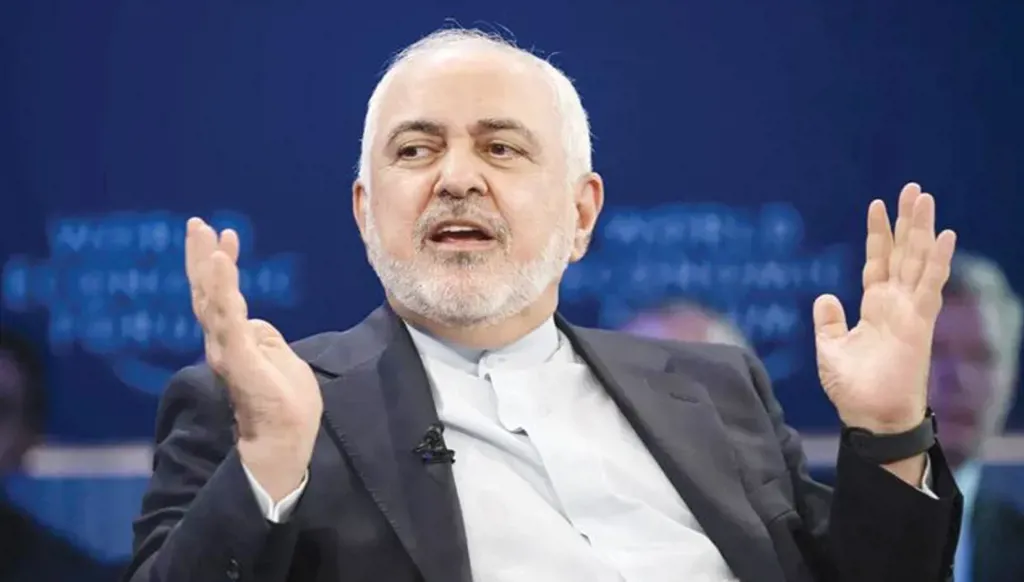
Late last year, at a conference held in Doha, Mohammad Javad Zarif criticized the groups that Iran had supported. He did so on the grounds that these groups, such as Hezbollah and Hamas, for example, had done nothing to support the “Islamic Republic.”
Naturally, Mohammad Javad Zarif can be asked where the Palestinian cause stands in light of Iran’s support for it. Where does Lebanon stand after Iranian efforts that turned Hezbollah into the state itself, reducing the Lebanese state to a mini-state within the party’s structure? Where does Lebanon stand after Iran came to control the country’s decisions of war and peace and opened the southern front under the pretext of “supporting Gaza”? And where do Lebanese Shiites stand in light of the desire for revenge following the assassination of Ali Khamenei?
Certainly, the results of Iranian policy based on the use of proxies—such as Hamas, Hezbollah, the Houthis, or Iraqi militias operating under the banner of the Popular Mobilization Forces—have become clear. These tools have fulfilled their intended role in fragmenting the social fabric in Gaza, Lebanon, Yemen, and Iraq.