

Countdown to crisis: Iran-U.S. deadlines and rising conflict over Strait of Hormuz
With diplomacy struggling and threats escalating, the Middle East stands at a decisive crossroads between temporary truce and full-scale conflict.


 Messenger
 Whatsapp
 Threads
 Email
Email
 Print
Print
 X
X
 Facebook
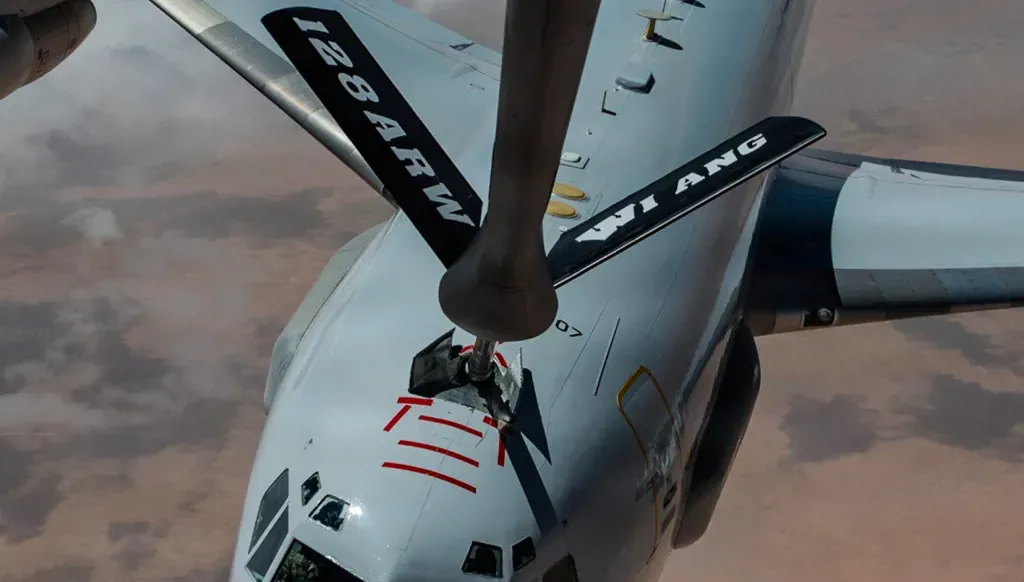


All eyes are on the final hours before the deadline set by U.S. President Donald Trump for Iran to reopen the Strait of Hormuz, amid unprecedented escalation and threats to strike vital facilities in the country, while diplomatic efforts intensify to prevent a large-scale regional explosion.
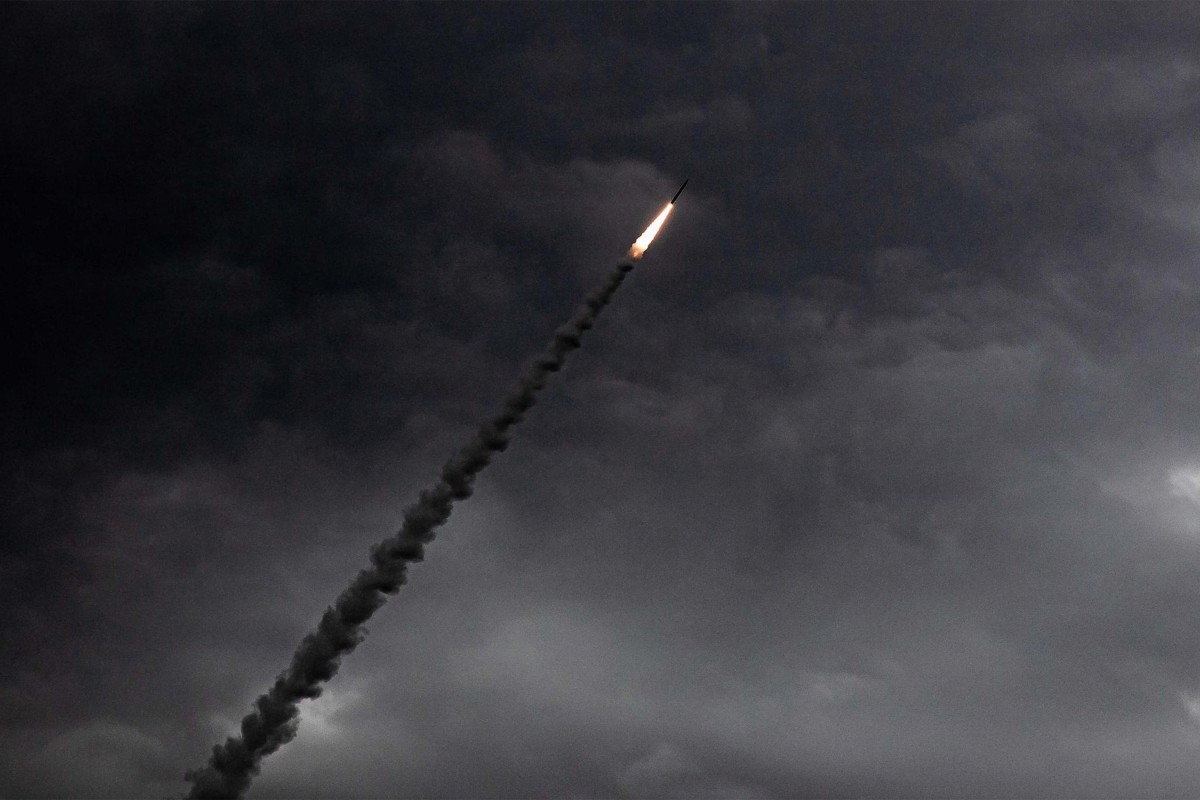
In response, Tehran warned that these threats could amount to “war crimes,” while continuing to reject a temporary ceasefire, despite a proposal for a 45-day truce intended to pave the way for broader negotiations that would reopen the Strait of Hormuz and address the issue of highly enriched uranium.
These efforts are taking place through regional mediators, including Pakistan, Turkey, and Egypt, alongside direct communication channels between the U.S. envoy and Iranian officials, aiming to reach a two-stage agreement that would start with a ceasefire and then move to a comprehensive settlement. However, the chances of success remain limited as Tehran continues to insist on its conditions.
On the ground, mutual strikes continue, with Israeli attacks in Tehran and casualties in Israel from Iranian bombardments, while the Revolutionary Guard announced the death of its intelligence chief, Major General Majid Khadami, in a U.S.-Israeli raid.
Meanwhile, international fears of the conflict spreading are escalating, with the Kremlin warning that the Middle East is “on fire” as tensions rise and the risk of a broader confrontation increases.
Economically, the escalation has immediately affected global markets, with oil prices surpassing $100 per barrel amid concerns over disrupted supplies through the Strait of Hormuz, while global stocks fell sharply due to growing worries about the consequences of war.
Amid rising military pressures and talks that are not yet fully developed, the region faces a critical crossroads: either a temporary truce opens the door to a settlement, or further escalation could redraw the conflict dynamics in the Middle East.