Lebanese Health Minister Rakan Nassereddine. (Photo: Nabil Ismail).
Six hospitals in Lebanon have been completely shut down, including Bahman, Sahel, and Burj hospitals in the southern suburbs of Beirut, as well as hospitals in the south, due to ongoing Israeli airstrikes since early March 2026. Other hospitals are under significant strain, with 10 facilities documented as targeted and 51 healthcare workers martyred by the end of March.
Yesterday, the Martyr Salah Ghandour Hospital in the city of Bint Jbeil stopped providing services and evacuated all its occupants.
Two days ago, the Ministry of Health reported significant damage to the Lebanese Italian Hospital in the Al-Housh neighborhood of Tyre. The hospital director, Youssef Jaafar, confirmed that despite the nearby bombings, the hospital continues to operate normally without interruption.
Two days ago, the Lebanese Hospitals Syndicate Board focused its discussions on the overall situation of the health sector in the country, with particular attention to hospital operations, given the critical security conditions Lebanon is facing and the serious impact on patients’ health and hospitals’ sustainability after a month of ongoing war.
Amid the ongoing military escalation and the expansion of Israeli airstrikes, the health sector faces renewed challenges, with rising numbers of casualties compounded by large-scale displacement and the evacuation of several hospitals in the south and southern suburbs. While hospitals in Beirut continue to bolster their preparedness, questions remain about their capacity and the immense pressure on emergency and intensive care departments.
Lebanese Health Minister Rakan Nasereddine (Photo: Nabil Ismail).
In this context, Annahar reviewed the reception and readiness at Rafik Hariri University Hospital and the Makassed Islamic Charitable Society Hospital, as they are among the facilities closest to the southern suburbs of Beirut, putting them at the forefront of health institutions likely to receive a significant number of casualties in the event of attacks on the area.
So far, the number of injuries received by hospitals appears relatively limited. Rafik Hariri University Hospital Director General, Dr. Mohamad Al-Zaatari, explains that the hospital is handling a small number of cases. Meanwhile, Makassed Hospital's Chief Medical Officer, Dr. Wael Jarouche, states that the hospital received only injuries not requiring intensive care or major surgeries, with about 95% of patients discharged after treatment.
Jarouche confirms that Makassed Hospital, like other hospitals in Beirut, has developed contingency plans to manage any potential escalation, particularly if densely populated areas are targeted, which could result in large numbers of casualties. He highlights the ongoing coordination among Lebanese hospitals, allowing for immediate information exchange after any incident through joint communication channels, enabling casualties to be distributed among hospitals based on their capacity, in coordination with the Red Cross, Civil Defense, and agencies responsible for transporting the injured.
Additionally, Al-Zaatari notes that the primary challenge is not the war injuries themselves, but the growing pressure on the hospital from the influx of patients. With the evacuation of several nearby hospitals in the south, Rafik Hariri Hospital has received additional patients, along with displaced individuals arriving at the emergency department, resulting in a significant increase in numbers.
He explains, "The intensive care unit is under particular pressure, as the hospital has only nine beds, all constantly occupied, while five to six patients remain in the emergency department receiving care equivalent to intensive care due to the lack of available beds."
An additional challenge has arisen concerning dialysis patients. Before the crisis, the hospital conducted about 80 dialysis sessions daily, but within just three days, this number rose to around 111 sessions per day and is expected to reach approximately 150 sessions daily to accommodate 222 patients based on current capacity. Al-Zaatari confirms that the main issue is not the availability of medical supplies, which remain sufficient, but human resources, as some staff face difficulties reaching the hospital, increasing the burden on nursing teams.
In an open-ended war that could severely test the health sector at any moment, hospitals continue to enhance their readiness in an effort to maintain the healthcare system’s capacity and ensure the continuity of care.



 Messenger
 Whatsapp
 Threads
 Email
Email
 Print
Print
 X
X
 Facebook
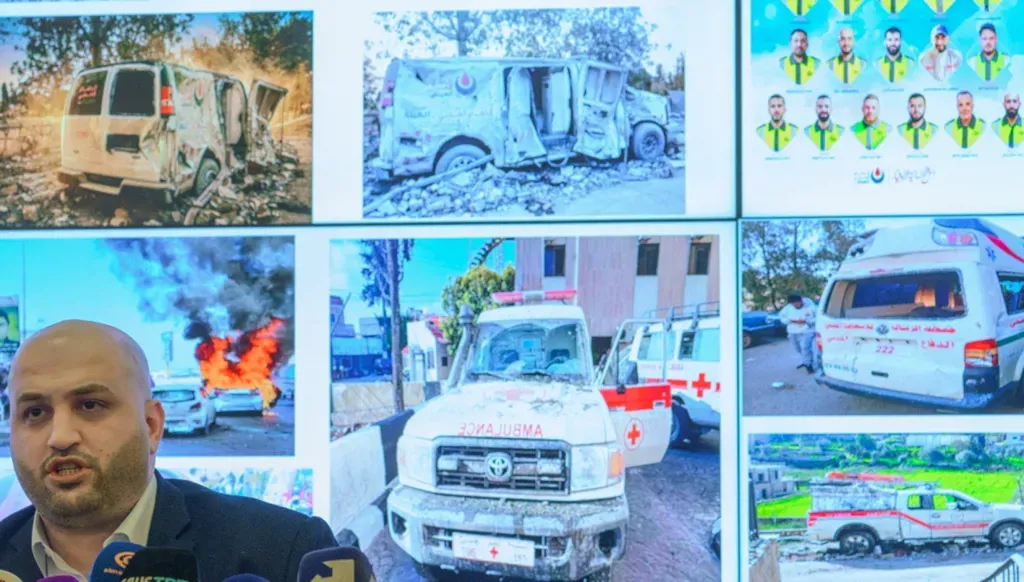


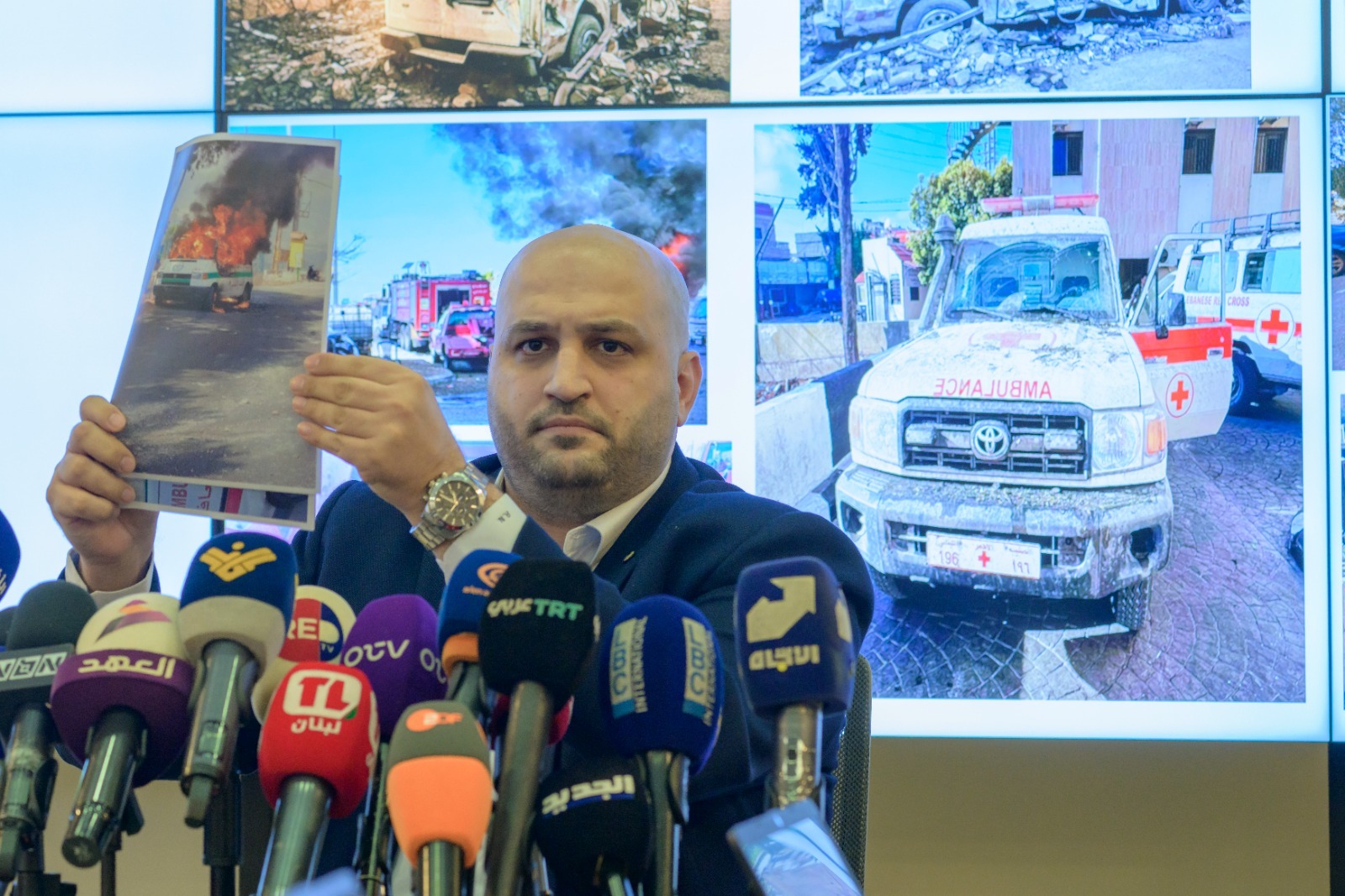 Lebanese Health Minister Rakan Nasereddine (Photo: Nabil Ismail).