

UN security council prepares vote on Bahrain-led resolution to protect Strait of Hormuz
China and Russia oppose any use of force as Gulf nations and Washington push for measures to ensure safe commercial navigation amid rising tensions with Iran.


 Messenger
 Whatsapp
 Threads
 Email
Email
 Print
Print
 X
X
 Facebook
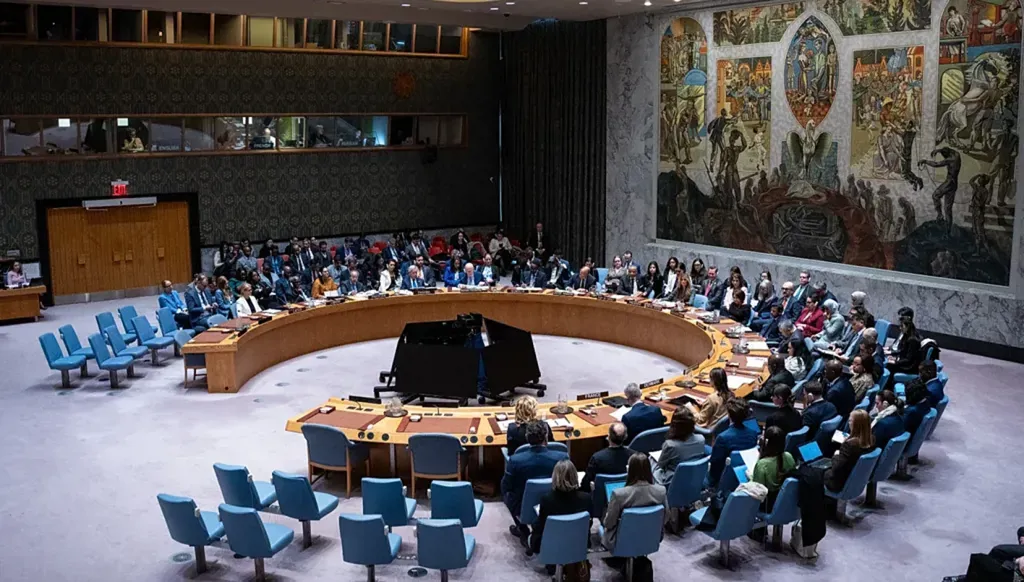


Diplomats said on Friday that they expect the United Nations Security Council to vote next week on a draft resolution submitted by Bahrain regarding the protection of commercial navigation in the Strait of Hormuz and its surroundings. However, China, which holds veto power, stated that it opposes any mandate for the use of force.
A meeting of the fifteen members of the Security Council was initially scheduled for Friday, then moved to Saturday. Several diplomats reported that it has now been postponed to next week without a new date being set.
The resolution faces opposition from China, Russia, and other countries, and its original wording has been revised.
Oil prices have risen significantly since the United States and Israel launched an attack on Iran at the end of February, triggering a conflict that has now lasted more than a month and effectively closed the Strait of Hormuz to navigation.
Bahrain, which currently chairs the Security Council, has finalized the draft resolution that authorizes the use of all necessary defensive measures to protect commercial navigation.
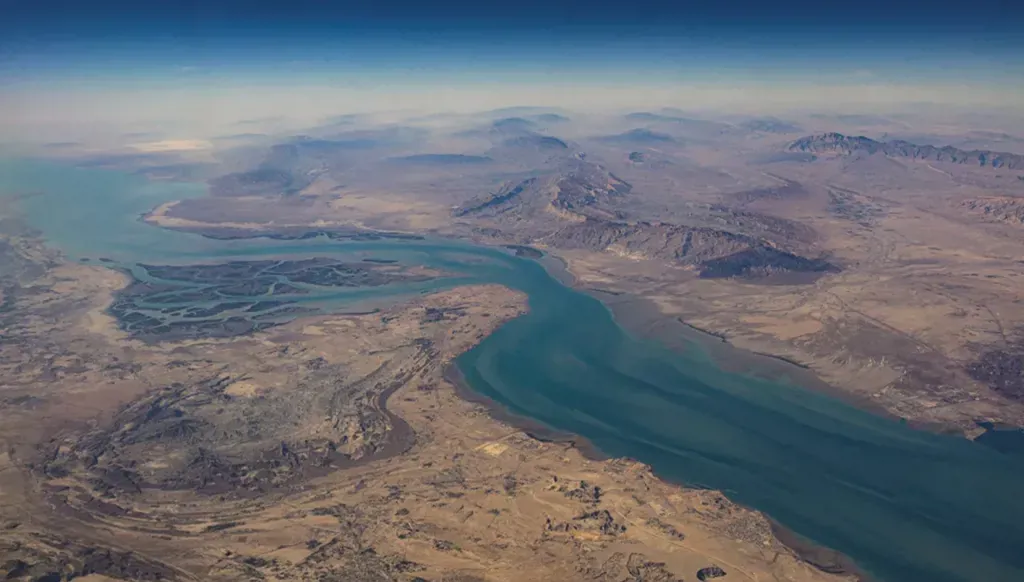
Bahrain, which had received support from other Gulf Arab states and Washington in its efforts to reach a resolution, had earlier removed any explicit reference to binding enforcement in an attempt to overcome objections from other countries, particularly Russia and China.
The draft resolution had been subjected to what is known as a silence procedure for approval until Thursday at 16:00 GMT. Diplomats said that China, Russia, and France broke this silence, but the text of the resolution was later finalized, making a vote possible.
The draft resolution allows these measures to be taken “for at least six months and until the Council decides otherwise.”
However, Fu Cong, China’s representative to the United Nations, made clear in a statement to the Security Council that Beijing opposes granting member states a mandate to use force.
He said this would amount to “legitimizing the illegal and arbitrary use of force, which would inevitably lead to further escalation and serious consequences.”
Adopting any resolution in the Security Council requires at least nine votes in favor and no veto from any of the five permanent members: the United States, Russia, China, the United Kingdom, and France.
U.S. President Donald Trump has pledged to continue attacks on Iran, stating on Friday that the United States could reopen the Strait of Hormuz but needs more time, even as pressure grows on his administration to find a quick resolution to the conflict.
On Thursday, the United Kingdom hosted a meeting of more than 40 countries to discuss efforts to reopen the Strait of Hormuz and ensure safe passage through it, while also announcing its support for Bahrain’s efforts to issue a resolution on the matter.