

The isolation of Hezbollah: Lessons from two decades of conflict
Political shifts, failed alliances, and regional wars have pushed the party into an unprecedented corner.


 Messenger
 Whatsapp
 Threads
 Email
Email
 Print
Print
 X
X
 Facebook
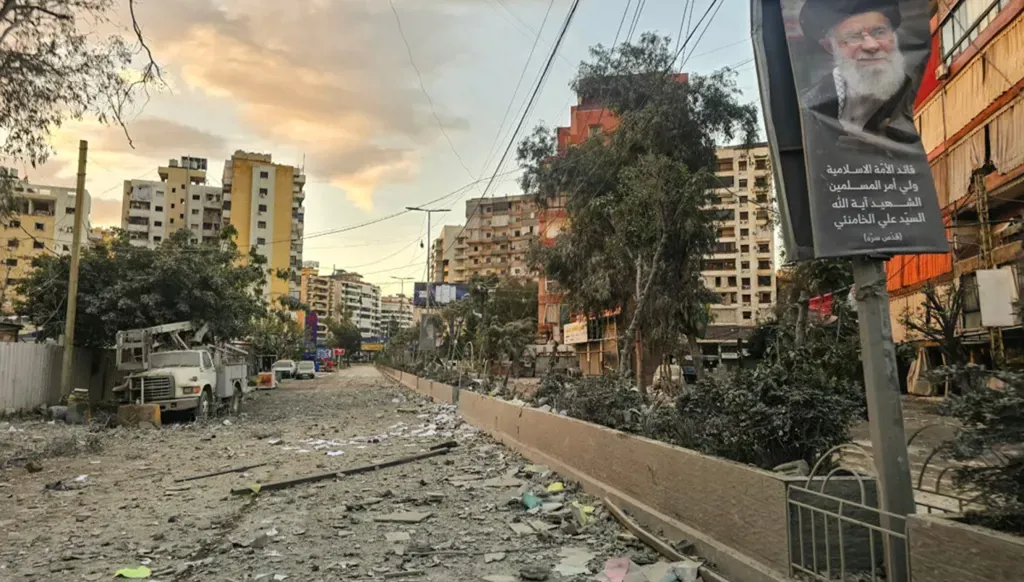


Perhaps Hezbollah was sincere in not wanting to involve its people in war again in 2026, as it was barely picking up the pieces from the war it fought in support of Gaza from 2023 to 2024. It had realized the need for support after Israel assassinated its leaders and fighters, led by Secretary General Hassan Nasrallah, and succeeded by Hashem Safieddine.
The Iranian decision to launch rockets in support of the Islamic Republic in Tehran effectively reopened the front, leaving Hezbollah unable to make independent national decisions. It paid no attention to the displeasure of its allies or opponents, foremost among them Nabih Berri, Speaker of the Lebanese Parliament, who had previously negotiated a ceasefire agreement in 2024. Berri found himself embarrassed and forced to accept an agreement that barely satisfied him, but that stopped hostilities and ensured the preservation of what remained. This was reported by Mohammad Afif, head of Hezbollah’s media unit, who was later assassinated. He said, “The important thing is to stop the shooting and minimize losses. After that, we can begin to rebuild everything.”
Iran’s decision to drag Lebanon into the war cornered Hezbollah against both its allies and opponents, and against the wider world. It is true that the party does not trust the domestic situation and knows that several actors are ready to strike if the opportunity arises. This is why it relies on Tehran and ties its fate to Iran. However, it also realizes that its losses have become considerable and that compensation is unlikely. It understands the scale of the catastrophe once the war ends and knows that linking its fate to Iran does not guarantee that it will remain fully prepared and in strong condition after the war. The challenges it faces will only grow from difficult to more difficult.
In 2006, although the Lebanese people and the world were angered by Hezbollah’s kidnapping of two Israeli soldiers, which led to a war lasting more than a month, its prior agreement with the Free Patriotic Movement, the sympathy of Arab populations toward it as a resistance movement, the abundance of Sunni and Druze allies, and the support of the Syrian regime provided it with optimal political cover. This protection embraced its people, opening homes and hearts to them.
In 2008, everything shifted dramatically. Things changed drastically after Hezbollah launched the “May 7” movement, which cost it its resistance credibility. Then the Syrian war struck, turning it into one of the tools of a regime that oppressed its own citizens and a partisan actor divided among the people of the country. This situation persisted until the fall of the Syrian regime in 2024, when a government hostile to Hezbollah and Iran emerged amid fierce multi-front warfare and mounting international pressure, scattering the party’s supporters.
In 2023 and 2024, solidarity and even human sympathy collapsed, stemming not only from rejection of Hezbollah’s decisions but from opposition to dragging all of Lebanon into conflict and undermining the state’s authority over matters of war and peace.
By 2026, public sympathy had hit rock bottom. Fear led people to avoid receiving their relatives and friends, leaving Hezbollah’s supporters facing rejection at every level, particularly in the absence of yesterday’s allies, apart from remnants of the Syrian Baath party and splinter groups of the Syrian Social Nationalist Party. Even the state, through its political institutions, dared to take decisions against Hezbollah’s policies, military, and security actions, even deeming them illegitimate, which left the party almost entirely isolated.
Hezbollah may not care much about the isolation it faces today, because the battlefield dominates, and the roar of cannons, rockets, and aircraft drowns out other concerns. But the question is what will happen once the machinery of war stops. Will Hezbollah be part of an international or regional deal, and if so, in which direction? How will it return to normal life in Lebanon? These are the major challenges it faces.
Disclaimer: The opinions expressed by the writers are their own and do not necessarily represent the views of Annahar