

Algerian president’s messages to Tunisia: Security unity or warning signals?


 Messenger
 Whatsapp
 Threads
 Email
Email
 Print
Print
 X
X
 Facebook
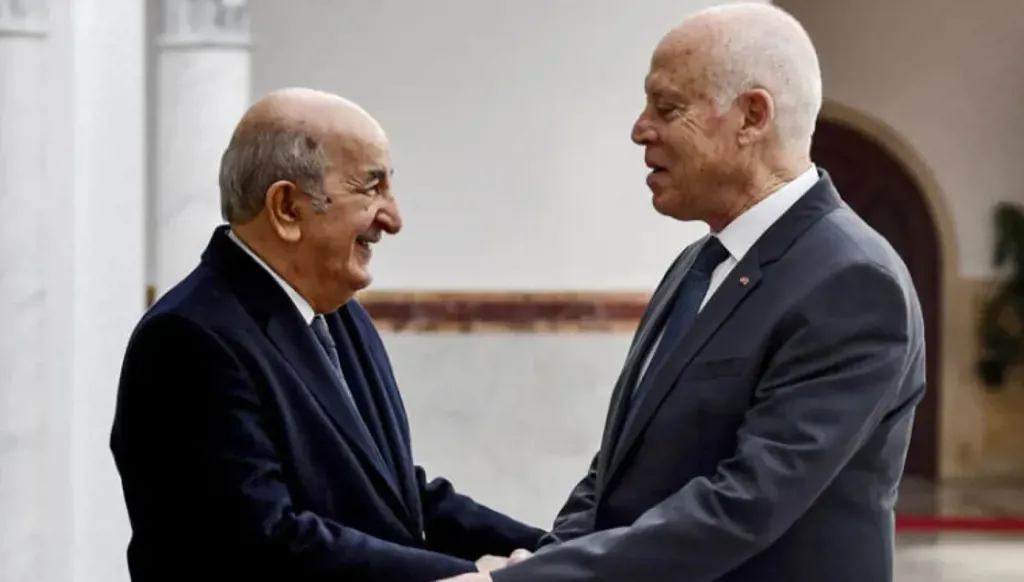


The recent statements by Algerian President Abdelmadjid Tebboune regarding the relationship with Tunisia have caused a wide stir in political, media, and even popular circles in both countries, leading to many questions about their backgrounds and motivations.
Unified Security
Although President Tebboune has always been keen to highlight the strength of the relationship with Tunisia and emphasize the priority of Tunisian depth in Algerian foreign policy, this time he chose clear phrases that convey multiple messages. He stressed in a warning tone that "the security of Algeria extends to Tunisia, and the security of Tunisia extends to Algeria," reaffirming that his country "will not abandon it under any circumstances."
In his speech, Tebboune spoke about what he called the attempt to "export the precursors of conflict from the Middle East to Tunisia," warning of attempts to reproduce this conflict "through the concoctions of terrorist and extremist groups."
He also warned in his speech before the Algerian parliament of what he described as "attempts to create political discord" between Algeria and Tunisia.
Campaigns and Doubts
While these statements appear on the surface to be part of a traditional discourse reflecting the strength of relations between the two neighboring countries, their timing and regional context open the door to many interpretations and readings that go beyond traditional diplomatic niceties to reveal real security concerns that occupy decision-makers in Algeria, according to many observers.
Tebboune's statements, in which he categorically denied any operation by his country's army in Tunisia and emphasized respect for its sovereignty and non-interference in its affairs, come at a time when news is spreading within Tunisia confirming Algerian interventions in Tunisian affairs through secret military agreements.
Recently, many voices in Tunisia have called for the publication of details of a bilateral security agreement with Algeria, signed last October, following leaked documents allegedly related to it, confirming the existence of clauses allowing the Algerian army to intervene to protect and support President Kais Saied.
Despite the Tunisian president's denial of the existence of this agreement, campaigns of doubt continued through statements from voices opposed to or allied with Islamists, accusing Saied of "abandoning the country's sovereignty."
Algerian political researcher Ammar Seigha told "Al-Nahar" that "there are parties trying to ignite discord between Tunisia and Algeria by spreading lies aimed at targeting the bilateral relations between the two countries," stressing that these parties do not benefit from having strong economic and political relations between the two sides.
Seigha points out that "President Tebboune's statements came after leaks were circulated aimed at threatening the rapprochement between the two countries," noting that they "disturb many parties trying to isolate either Algeria or Tunisia."
He also confirms that launching these campaigns at such a sensitive time for the Maghreb region "is not innocent."
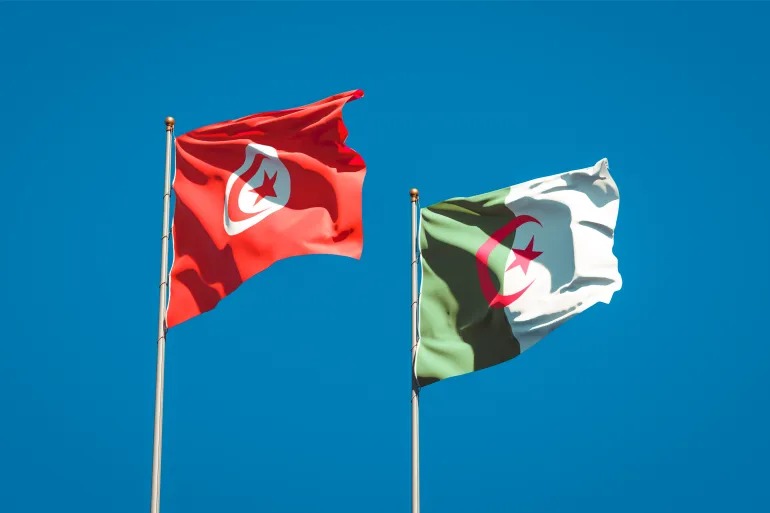
Targeting Algeria
Former Tunisian diplomat Ali Al-Abeidi agrees with Seigha in assessing that there are malicious intentions behind the rumors about Algerian intervention in Tunisian affairs.
However, Al-Abeidi considers in a statement to "Al-Nahar" that Algeria is primarily targeted by these campaigns, noting that "the Algerian leadership is well aware that there are many watching closely; therefore, they are most keen not to disturb relations with it, as the most secure neighbor."
Intersection of Interests
According to several observers, Tebboune's statements reflect the developments in both countries.
In this context, Tunisian political analyst Ezzedine Boughanmi wrote a post pointing out the intersection of the recent defamation campaign, which claims "Algeria's dominance over Tunisia," with the rising tension between Algeria and France, explaining that the goal is not limited to a bilateral relationship between two brotherly countries, but is part of a broader strategy to weaken the Algerian state and undermine any integrative course between it and Tunisia. He also pointed out the convergence of the interests of some local forces in Tunisia, especially the "Ennahda Movement," with the right-wing French agenda to hinder Tunisian-Algerian rapprochement and undermine any kind of regional integration, aiming to weaken the national state in both countries and reproduce economic and political dependency.
Historic Relations
Historically, Tunisia has always been central to Algerian calculations, forming the strategic depth for its eastern borders, which was evident during difficult times that Algeria experienced, starting from the colonial period, through the "Black Decade," and up to the post-2011 events with the growing presence of terrorist groups in the shared border areas.
Tunisia is considered the safest border outlet for Algeria, which faces significant challenges from the Sahel region and the unstable borders with Libya, while experiencing strained relations with its neighbor Morocco.
Conversely, Algeria has been at the forefront of countries providing support to Tunisia since the events of 2011, whether through loans and grants or through energy support, making the relationship between the two countries important for both parties.