


 Messenger
 Whatsapp
 Threads
 Email
Email
 Print
Print
 X
X
 Facebook
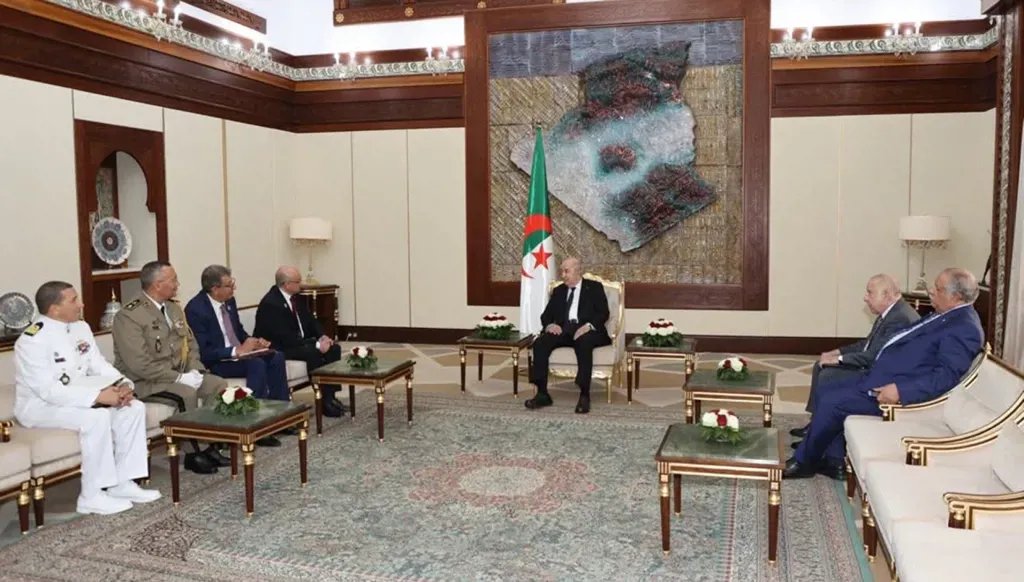


The bilateral Tunisian-Algerian security agreement has returned to the forefront of political debate in Tunisia in recent days, after media outlets and social media accounts close to Islamist groups published what they claimed was the text of the agreement. According to these reports, the alleged provisions were described as “dangerous,” with critics asserting that they undermine Tunisia’s national sovereignty and grant Algeria the right to intervene in its internal affairs.
The latest “leak,” said to be a draft version of the agreement, previously described by both governments as a complementary framework to a joint defense cooperation agreement signed in 2001, quickly became a focal point of criticism from opposition parties and civil society groups, who are demanding that its contents be disclosed.
The significance of the agreement
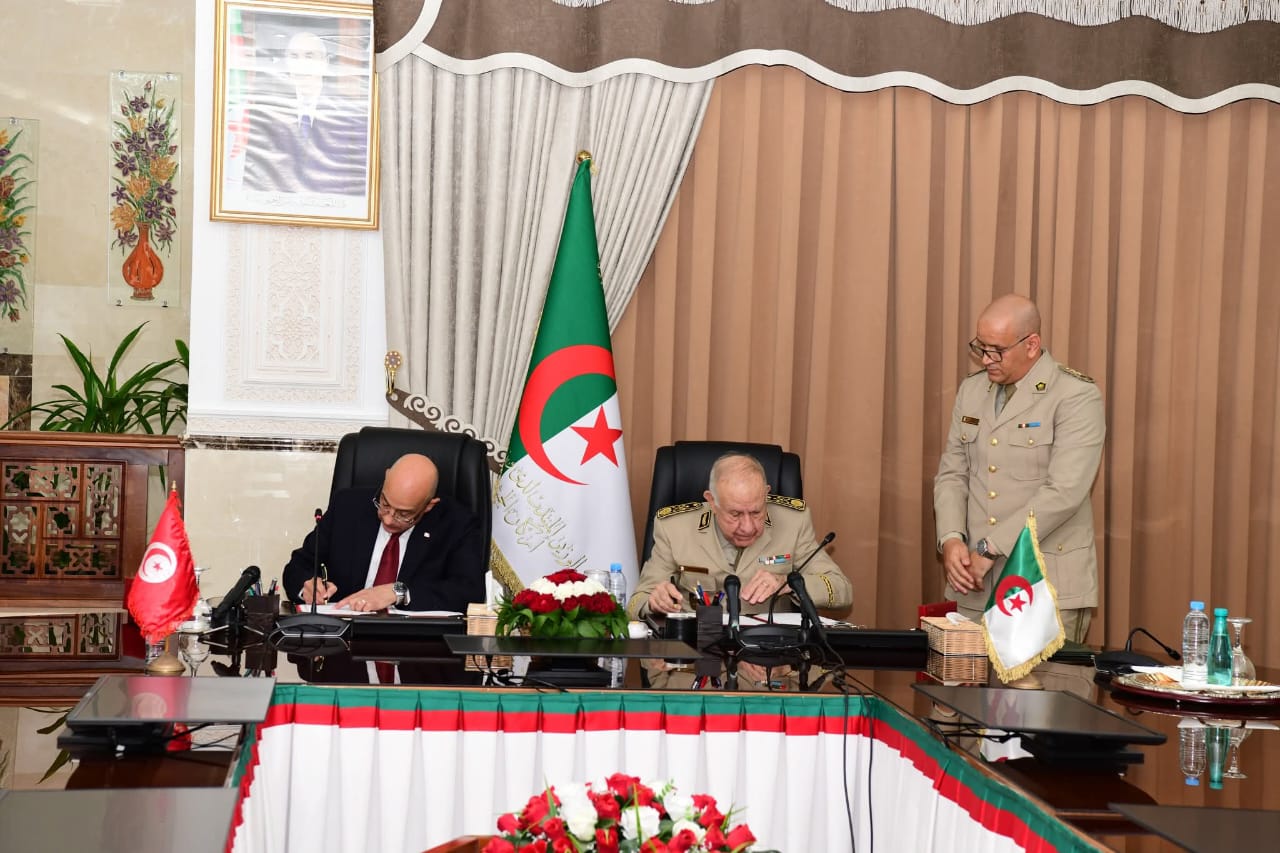
According to official statements from both Tunisia and Algeria, the agreement whose full text has not been made public, comes amid growing regional security challenges, particularly terrorism, smuggling networks, and irregular migration. Authorities say it is intended to enhance operational coordination between the security forces of the two neighboring countries.
Several analysts view the agreement as part of a long-standing tradition of military and security cooperation between Tunisia and Algeria. Khalifa Chebani, a former senior Tunisian security official and political analyst, told Annahar that the deal is an extension of previous bilateral agreements and falls squarely within the framework of routine security coordination between the two states.
Doubts and concerns
Tunisian authorities have repeatedly stressed that the agreement is not new, but rather an update and expansion of an earlier framework, primarily aimed at addressing shared security challenges. Officials have emphasized that relations with Algeria are built on mutual respect and long-standing historical ties between the two peoples.
However, these official assurances, some of them delivered by Tunisia’s defense minister, have failed to quell growing questions within the country’s political circles, particularly following the leak of the alleged documents.
Opposition figures have called for the full text of the agreement to be made public and submitted to relevant oversight institutions, arguing that the lack of transparency only fuels suspicion over what has actually been signed.
According to several commentators, the controversy surrounding the agreement does not stem solely from its legal or technical aspects, but rather from the secrecy that has surrounded it, opening the door to concerns about national sovereignty. Others argue that the absence of transparency in disclosing the agreement’s provisions has contributed to mounting criticism and the spread of misinformation.
Political analyst Asia Al-Atrous told Annahar that only transparency can halt the ongoing debate and concerns related to this agreement. She believes it's important for the authority to break its silence and address all lingering questions and legitimate concerns regarding the security clauses, either by refuting what's been circulated and discrediting rumors or by revealing the facts to Tunisians.
A political flashpoint
Conversely, some see the uproar surrounding this agreement as reflecting the extent of internal political divisions in Tunisia, having been transformed into a tool for political maneuvering, where the opposition found it a fertile ground to launch accusations against the current authority of "abandoning sovereignty."
President Kais Saied responded to the alleged leaks during a meeting with his prime minister, categorically denying the authenticity of the circulated documents. He described them as “fabricated” and said they exist only “in the imagination of sick minds,” adding that those who created them “are still floundering in their delusions.” He reiterated that “the state is not governed by social media posts,” and said those spreading such claims are “exposed and discredited.”
Algerian media outlets also quoted unnamed official sources as saying the leaked documents were fabricated and misleading, and were intended to undermine bilateral relations between Algeria and Tunisia.