

"No time to lose”: UN warns of looming food crisis as fertilizers stall


 Messenger
 Whatsapp
 Threads
 Email
Email
 Print
Print
 X
X
 Facebook
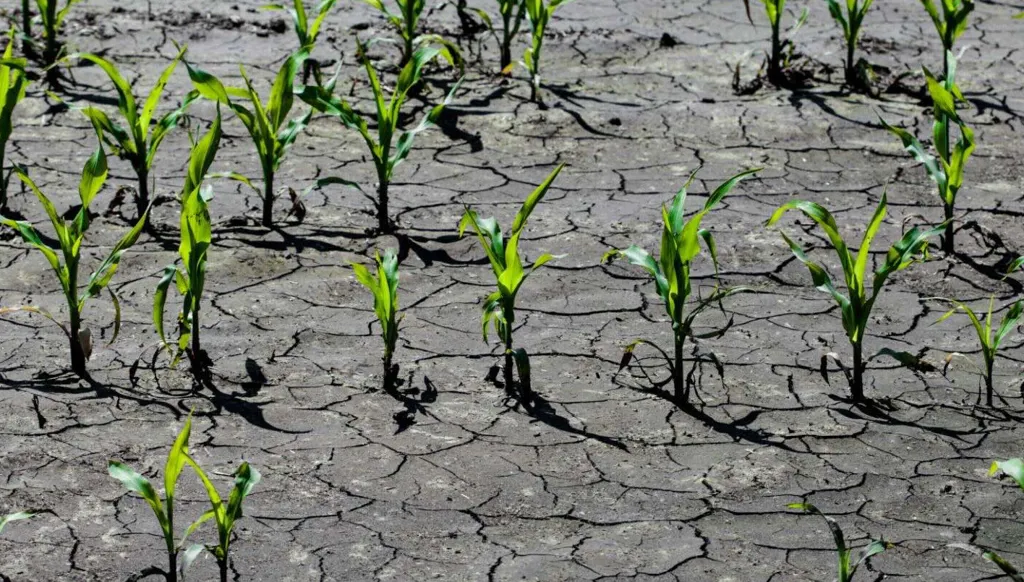


A senior United Nations official warned that a deepening global humanitarian crisis could escalate into a major food emergency, as conflicts disrupt supply chains and funding shortfalls limit aid operations.
In an interview with UN News, the official said the international system is under unprecedented strain, with needs rising faster than available resources. The situation is further complicated by mounting pressure on global food production.
“One-third of global fertilizers are stalled in the Strait of Hormuz,” the official said, describing a critical bottleneck at a time when planting seasons are already underway. “We have no time to lose.”
The disruption threatens to ripple across agricultural markets, particularly in vulnerable regions dependent on imported inputs. Fertilizers are essential for crop yields, and delays could significantly reduce harvests in the coming months.
“This is not a matter of logistics or economics – it’s about saving lives,” the official said. “If we don’t act, a massive food crisis will hit the most vulnerable the hardest.”
The warning comes as humanitarian agencies face declining donor contributions, forcing a narrower focus on the most urgent cases. Aid groups are increasingly adopting what the official described as “hyper-prioritization,” directing limited resources toward life-saving interventions while scaling back broader support.
Despite these efforts, millions risk being left without assistance. Protracted conflicts, economic instability and climate shocks continue to drive demand, creating what the official called a widening gap between global needs and response capacity.
The official stressed that humanitarian action alone cannot resolve the crisis. “There is no humanitarian solution to political problems,” they said, emphasizing the need for diplomatic efforts to ease conflicts and restore supply routes.
At the same time, the UN is working to improve efficiency and accountability in aid delivery while seeking to mobilize additional funding. The official pointed to the imbalance between global military spending and humanitarian budgets, arguing that relatively modest increases in aid could prevent large-scale suffering.
The coming months will be decisive, the official said, particularly as agricultural cycles advance and supply disruptions persist.
“The choices made now,” the official warned, “will determine whether we avert a crisis — or allow it to unfold.”