

Trump delays strikes as secret U.S.-Iran talks proceed via regional mediators
Indirect negotiations with Turkey, Egypt, and Pakistan facilitating communication signal tentative progress, even as Tehran denies any dialogue and global tensions remain high.


 Messenger
 Whatsapp
 Threads
 Email
Email
 Print
Print
 X
X
 Facebook
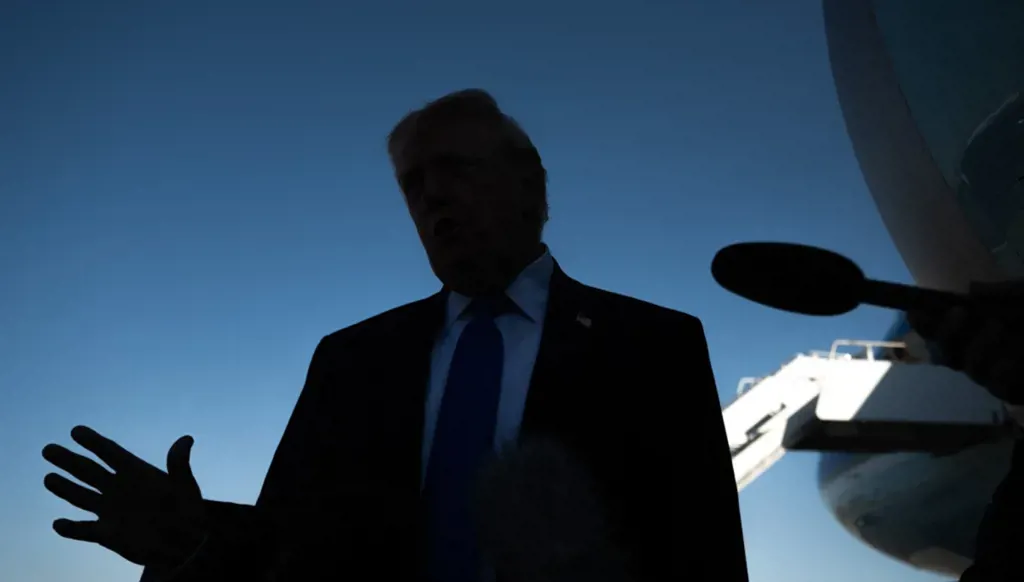


Axios reported that White House envoy Steve Witkoff and Iranian Foreign Minister Abbas Araghchi are holding indirect negotiations mediated by Islamic countries.
The site reported that “Turkey, Egypt, and Pakistan are among the countries that transmitted messages between the United States and Iran over the past two days.”
It added: “High-level officials from the three countries held separate talks with Witkoff and Araghchi.”
A source told the site: “The mediation is ongoing and making progress, and the negotiations focus on ending the war and resolving all remaining outstanding issues. We hope to receive responses soon.”
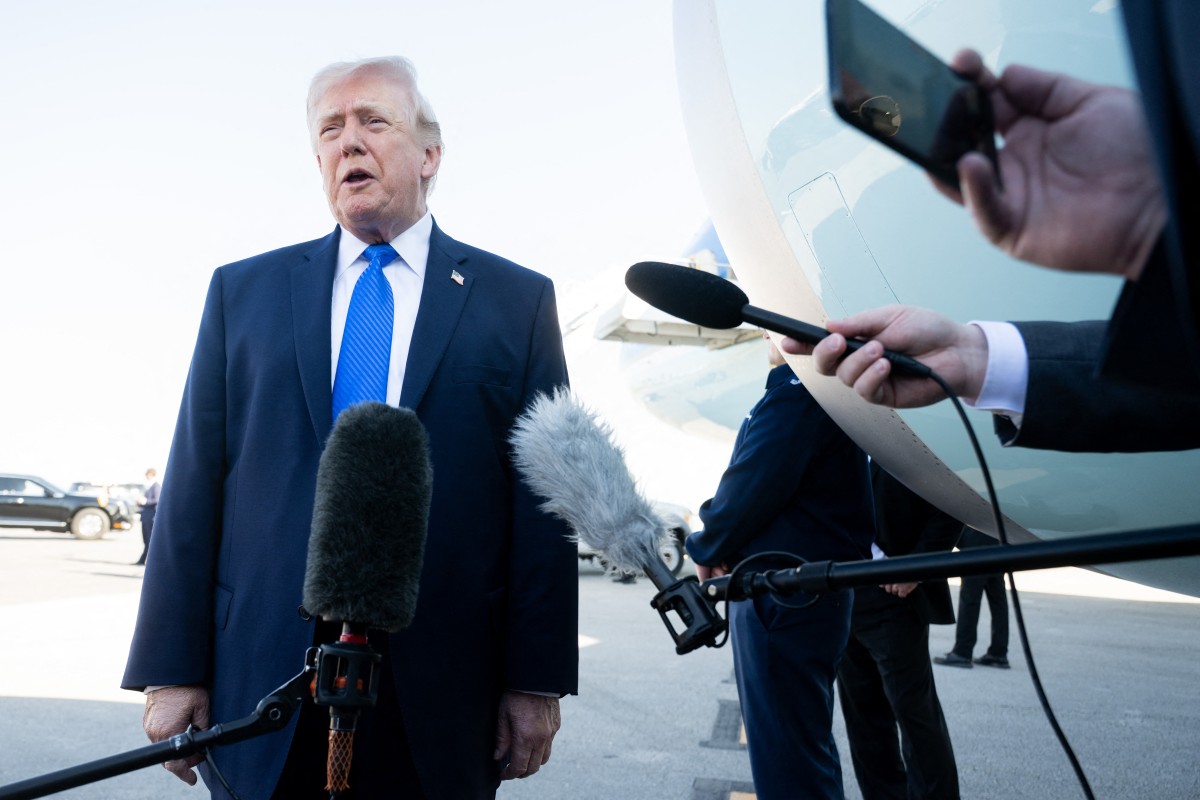
US President Donald Trump announced that he had issued orders to postpone military strikes on Iran’s energy facilities and infrastructure, following talks he described as good and productive between Washington and Iran.
Meanwhile, the Iranian Foreign Ministry confirmed that there are no negotiations between Tehran and Washington, noting that the US president’s statements are part of efforts to lower energy prices and buy time to carry out his military plans.
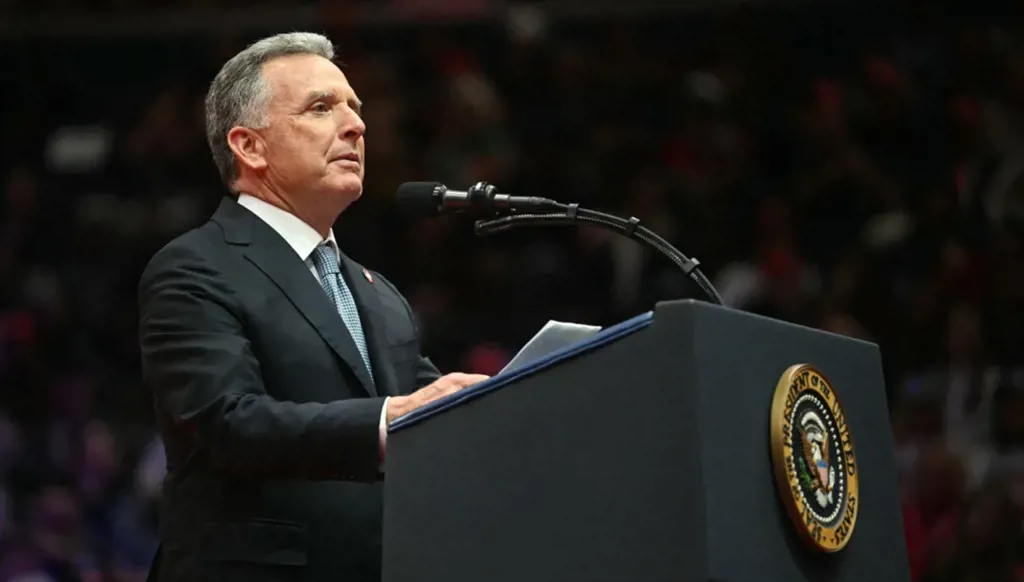
A senior Iranian security official told Tasnim News Agency that “Trump backed down from attacking critical infrastructure after Iran’s military threats became credible,” noting that increasing pressure on financial markets and the threat to US and Western Treasury bonds was another important factor in this decision.
At the same time, sources familiar with the discussions said that several countries have been exchanging messages between the United States and Iran over the past few days in an effort to defuse rising tensions around energy sites and power plants.
The sources told CNN that Turkey and Egypt have transmitted messages as part of these efforts.
Meanwhile, US President Donald Trump’s diplomatic envoy, Steve Witkoff, received warnings from several regional officials that Trump’s threat to target Iran’s energy facilities could trigger a massive retaliatory response, potentially affecting US allies in the Gulf as well.
Regional officials also held contacts with Iranian Foreign Minister Abbas Araghchi.
Despite the intense communications, the extent of progress made by the two sides in discussing ways to reach a “complete and comprehensive” resolution to the war remains unclear, according to Trump in a post on the Truth Social platform.
In a related context, Trump told Fox Business that the latest round of talks with Iran took place on Sunday night, involving US envoys Steve Witkoff and Jared Kushner.
Trump said that the United States and Iran held “productive talks” over the weekend, and that he would postpone military strikes on Iranian energy sites for five days.
He wrote in capital letters on Truth Social that he decided to delay the threatened attacks based on the “tone and content” of the discussions.
Trump also threatened to strike Iranian energy facilities by Monday evening if the country did not allow the reopening of the Strait of Hormuz.
Until last week, Trump said he was not interested in seeking a ceasefire with Iran. He stated on Friday afternoon: “We can have a dialogue, but I do not want a ceasefire.”
Meanwhile, several official Iranian media outlets reported, citing the Foreign Ministry, that Iran denied any dialogue with Washington, rejecting Trump’s claims as an attempt to lower energy prices and buy time to carry out military plans.
The Ministry added, according to the semi-official Mehr News Agency, that there are “initiatives” from regional countries “to reduce tensions.”
It continued: “Our response to all these initiatives is clear: we are not the party that started this war, and all these requests should be directed to Washington.”
In a related development, a Qatari diplomat told CNN that Qatar is not involved in any mediation efforts between Tehran and Washington.
The diplomat added: “We are currently focused on defending our country and addressing the situation following Iranian attacks on Qatari gas facilities.”
Lavrov and Araghchi Talk
Russian Foreign Minister Sergey Lavrov confirmed today, during a phone call with his Iranian counterpart Abbas Araghchi, a firm rejection of US and Israeli strikes on Iran’s nuclear sites.
The Russian Foreign Ministry said in a statement following the conversation that Lavrov and Araghchi discussed the situation in the Gulf region, which has deteriorated due to US and Israeli aggression.
Both sides expressed concern over the serious consequences of the conflict ignited by Washington and Tel Aviv in the Caspian Sea.
The Russian Foreign Ministry concluded: “Abbas Araghchi thanked the Russian leadership for diplomatic and other forms of important support provided to Iran, including humanitarian assistance.”
Netanyahu on Talks with Iran: We Will Prevent a Bad Deal
After US President Donald Trump announced a five-day postponement of military strikes on Iranian energy facilities, confirming talks between the United States and Iran, Israeli Prime Minister Benjamin Netanyahu stated that Tel Aviv will prevent a bad deal between Tehran and Washington.
Netanyahu told the press from his office in Tel Aviv: “We are working to bring Iran to places it has not been before,” noting that “Iran is declining.”
Israel Was Informed of Trump’s Decision and What They Requested
Yedioth Ahronoth reported on Monday, citing a source, that Israel was informed of Trump’s decision to delay the final warning to Iran.
The source added: “The Americans also asked Israel to postpone attacks on energy facilities and infrastructure in Iran.”
The source noted: “There is no doubt that Trump backed down because he realized that his final warning would complicate matters further.”
Trump: "Regime Change" Underway in Iran
Trump also stated that “regime change” is underway in Iran, warning that the bombing would continue if talks with the officials he said Washington had contacted were unsuccessful.
He referred to a “spontaneous change in the regime” in Iran following the deaths of several senior leaders in US-Israeli strikes that began on February 28, while confirming that he was holding talks with Iranian officials he described as “extremely reasonable.” He warned that if the negotiations fail, “we will continue the bombing.”
Key Agreement Points
Trump confirmed that there are “key points of agreement” in the talks he announced between the United States and Iran, emphasizing that Tehran must abandon its nuclear ambitions and its stockpile of enriched uranium.
He said that the talks, which Iranian media denied were taking place, are being held with a “senior official” but not with the new Supreme Leader Ayatollah Mojtaba Khamenei.
Speaking to reporters in Florida before boarding a plane to Memphis in southern United States, Trump said: “We are dealing with the man I believe is the most respected and the leader in Iran,” without naming him, adding: “We want to stop uranium enrichment, but we also want enriched uranium,” referring to Tehran’s stockpile.
Mojtaba Khamenei
Regarding the new Supreme Leader Mojtaba Khamenei, Trump announced that he does not want him to be killed.
Channel 12: Americans Contacted Qalibaf
Israel’s Channel 12 reported that the senior Iranian leader who spoke with US officials is Mohammad Bagher Qalibaf, Speaker of the Iranian Parliament.
Merz Thanks Trump for Postponing Strikes on Iranian Energy Facilities
German Chancellor Friedrich Merz expressed gratitude to the US president after he announced the postponement of strikes on Iranian power plants and spoke about talks with Tehran.
Merz said at a press conference, referring to his phone call with Trump on Sunday: “I expressed my concerns about the announced strikes on power plants in Iran… and I am grateful that today he said he postponed them for five days.”
He added that he is also thankful to Trump for “opening the door to the possibility of direct and immediate communication with the Iranian leadership.”