

Inside Iraq’s prisons: The burden of 5,700 ISIS detainees
Iraq has absorbed thousands of suspected-ISIS members following the collapse of camp infrastructure in north-eastern Syria. The country now works to repatriate the detainees to their 61 countries of origin.


 Messenger
 Whatsapp
 Threads
 Email
Email
 Print
Print
 X
X
 Facebook
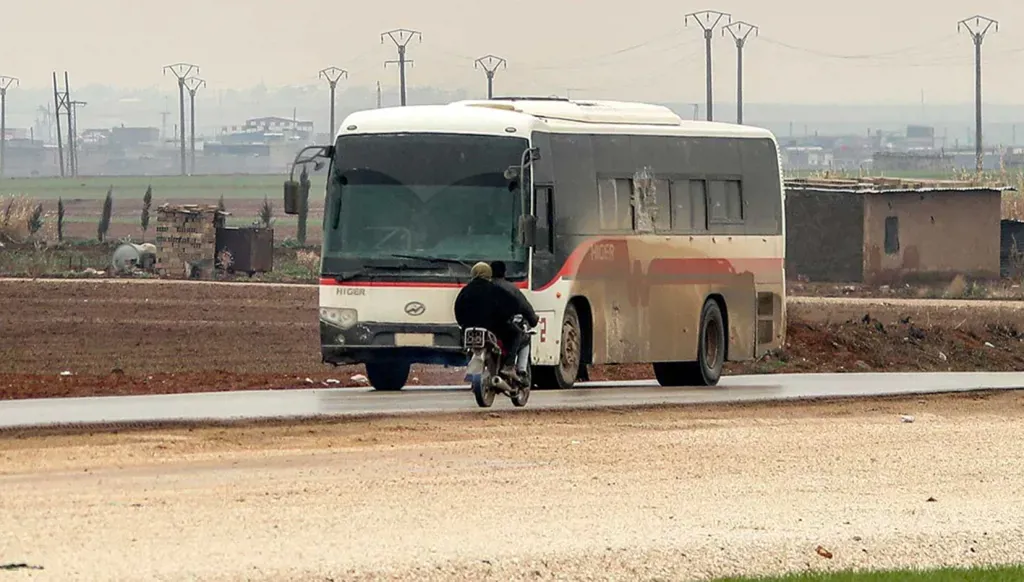


Iraqi sources revealed to Annahar that all ISIS members transferred from Syrian territory to Iraq in recent weeks are subject to exceptional security measures and round-the-clock protection. They are currently held in Karkh Central Prison, colloquially known as “Cropper,” which is located within the perimeter of Baghdad International Airport. Baghdad has officially contacted the detainees’ countries of origin to initiate handover procedures in accordance with international legal frameworks after the completion of investigations, but responses from those countries have varied.
According to an official census, the total number of detainees has reached 5,703 from 61 countries, including 4,253 Arabs and 983 foreign nationals.
Syrians constitute the largest group, with a total of 3,245 prisoners. Additionally, there are 271 Iraqis among the ISIS detainees. Reports indicate the arrival of 610 more Islamists from other Arab countries.
Exceptional security measures
Last week, the spokesperson for the Iraqi Ministry of Justice, Ahmed Laibi, explained that “the rehabilitation of the prison halls and the classification of terrorists were carried out using the database provided to Iraq by the international coalition, covering detainees held in prisons in Canada, the United States, the United Kingdom, Ukraine, India, Australia, Belgium, Georgia, and Denmark.”
The Ministry of Justice lists revealed that most prisoners belong to Morocco (187), Turkmenistan (165), Turkey (181), Tunisia (234), Russia (130), and Egypt (116). Laibi added, “We in the Ministry of Justice are a custodial authority, and cooperation memorandums can be concluded after a ruling through the relevant leaderships, based on reciprocity and in pursuit of the supreme national interest.”
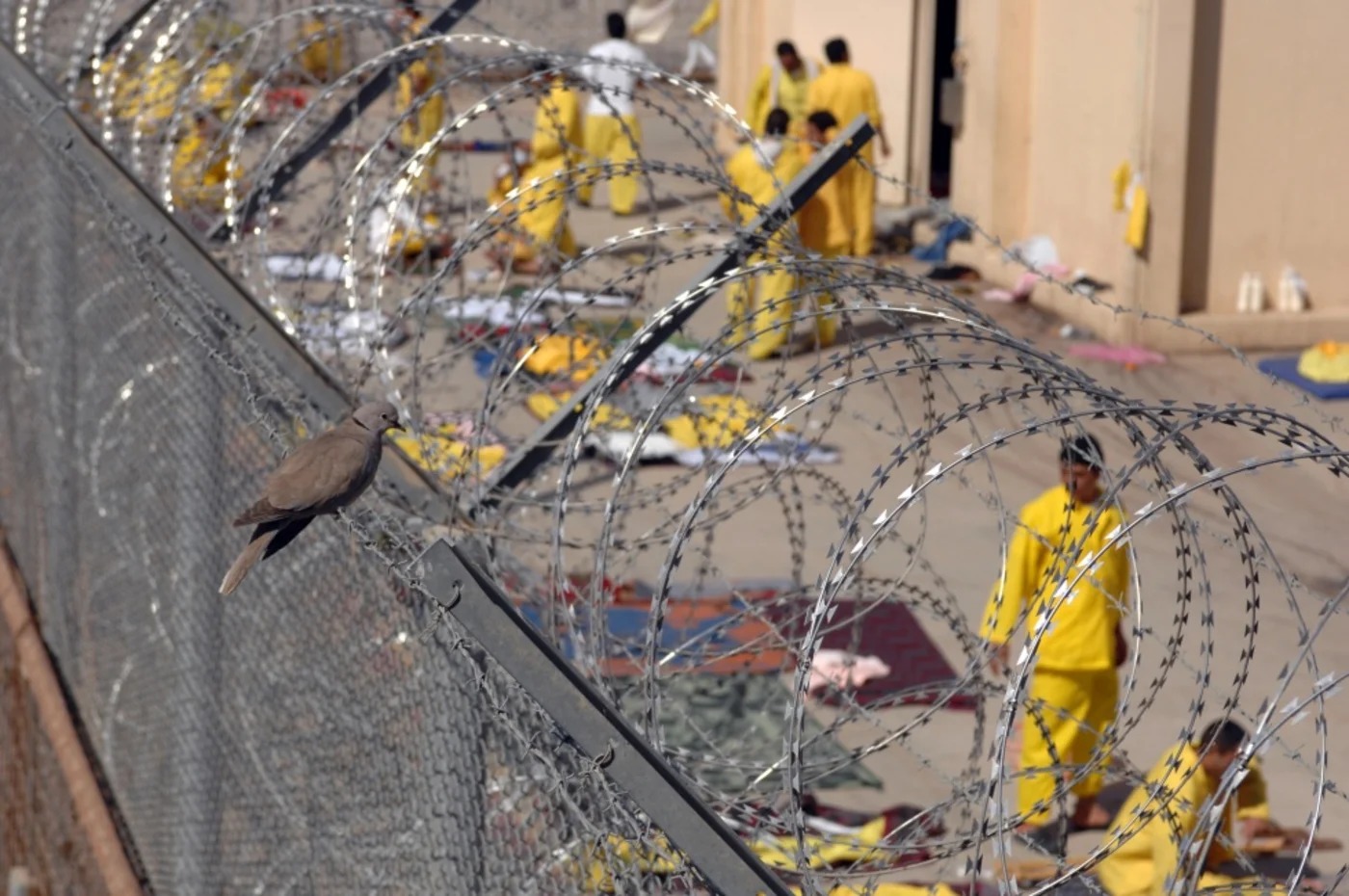
An Iraqi government source revealed to Annahar that the terrorist elements detained in the Karkh Central Prison are "completely isolated from all previous detainees for security and organizational reasons, ensuring full control over their movements and preventing any communication that could pose a security or intelligence threat.”
The source, who requested anonymity, added that “their placement in Karkh Central Prison came after the completion of the necessary legal and security procedures, in accordance with precise regulations overseen by the relevant security agencies. Investigations are ongoing under the supervision of senior Iraqi authorities, with the aim of obtaining information related to cross-border terrorism networks and routes of financing and logistical support.”
He affirmed that “the costs of detaining these prisoners are fully covered, in accordance with existing agreements, by the international coalition. This includes logistical and service aspects related to their management within detention centers, without imposing additional financial burdens on the Iraqi budget.”
Diplomatic communications and transfer process
The source revealed to Annahar critical information regarding diplomatic efforts led by the Iraqi government, noting that Baghdad, through its official channels and relevant authorities, has officially contacted the countries of these prisoners’ nationalities and opened the file for their handover under international legal frameworks after completing investigations and judicial procedures. He explained that “the countries’ responses have varied, with some refusing to accept their citizens, while others are still negotiating with the Iraqi side to discuss transfer mechanisms and the related legal and procedural conditions, in accordance with their domestic laws and international obligations.”
He affirmed that “Iraq treats this file as a sovereign and sensitive security matter, managed with high-level coordination among security, judicial, and diplomatic institutions, while adhering to national laws and international human rights standards concerning detention and investigation.”
Legal complexities and post-detention challenges
Ali Nehme, a member of the Security and Defense Committee in the Iraqi parliament, told Annahar that “the file of transferring terrorist elements from Syria to Iraq and placing them in Karkh Central Prison represents one of the most complex and sensitive security issues at the present stage, as handling it requires multifaceted and exceptional measures.”
Nehme noted that “placing these detainees in a high-security facility and isolating them from other inmates is a predictable security measure, given the danger posed by some detainees and the possibility that they possess organizational ties, combat experience, and intelligence expertise. This necessitates preventing any contact that could lead to the reformation of extremist networks within prisons. Moreover, the selection of Karkh Central Prison, known for its stringent security measures and direct integration with the security system, reflects a governmental decision to manage this file within a strictly monitored environment.”
The Security and Defense Committee member confirmed that “continuing investigations with these detainees holds significant intelligence value, as it could uncover the movement routes of foreign fighters, funding networks, and methods of cross-border reorganization, providing Iraq with an opportunity to strengthen its capabilities in dismantling dormant cells and preventing the resurgence of terrorist activities.”
Nehme added that "the biggest challenge is not the detention itself, but the subsequent phase concerning the transfer of detainees to their home countries. The refusal of some countries to accept their citizens presents a complex legal and political issue, potentially leaving Iraq with long-term options such as trying them locally or keeping them in detention for extended periods. The ongoing negotiations between Iraq and several countries to repatriate their citizens reflect the international sensitivity of this file, especially given the differing national laws on prosecuting fighters returning from conflict zones, in addition to the internal security concerns of those countries."