Iraq’s Coordination Framework faces deepening divisions over Maliki’s premiership
Growing internal rifts and U.S. opposition are heightening tensions within Iraq’s ruling coalition, as leaders struggle to agree on the next Prime Minister amid a politically and economically fragile landscape.
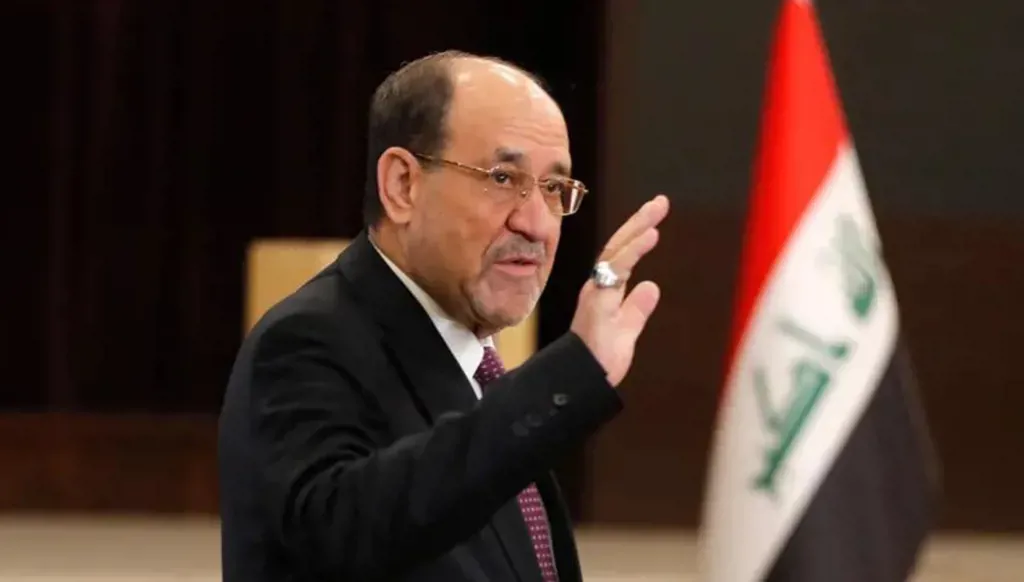
The Iraqi political scene has seen a marked rise in disagreements within the Coordination Framework, the ruling coalition comprising major Shia blocs and parties, as voices grow opposing the continued nomination of the "State of Law Coalition" leader and former Prime Minister Nouri al-Maliki to head the next government. This development comes at a politically, economically, and security-sensitive time for the country, making the selection of a Prime Minister a focal point of internal tensions and mounting external pressures.
American pressures and avoiding confrontation
Political data indicate that the expanding circle of opposition within the framework is no longer confined to internal considerations, such as balancing Shia forces or electoral calculations, but has also become tied to the stated American position. According to political sources, Washington has firmly rejected Maliki’s nomination, signaling the potential for various measures and pressures, including political or economic sanctions, if the framework moves forward with this option. This places the forces under the framework’s umbrella in a difficult position, caught between preserving internal consensus and avoiding confrontation with the international community.
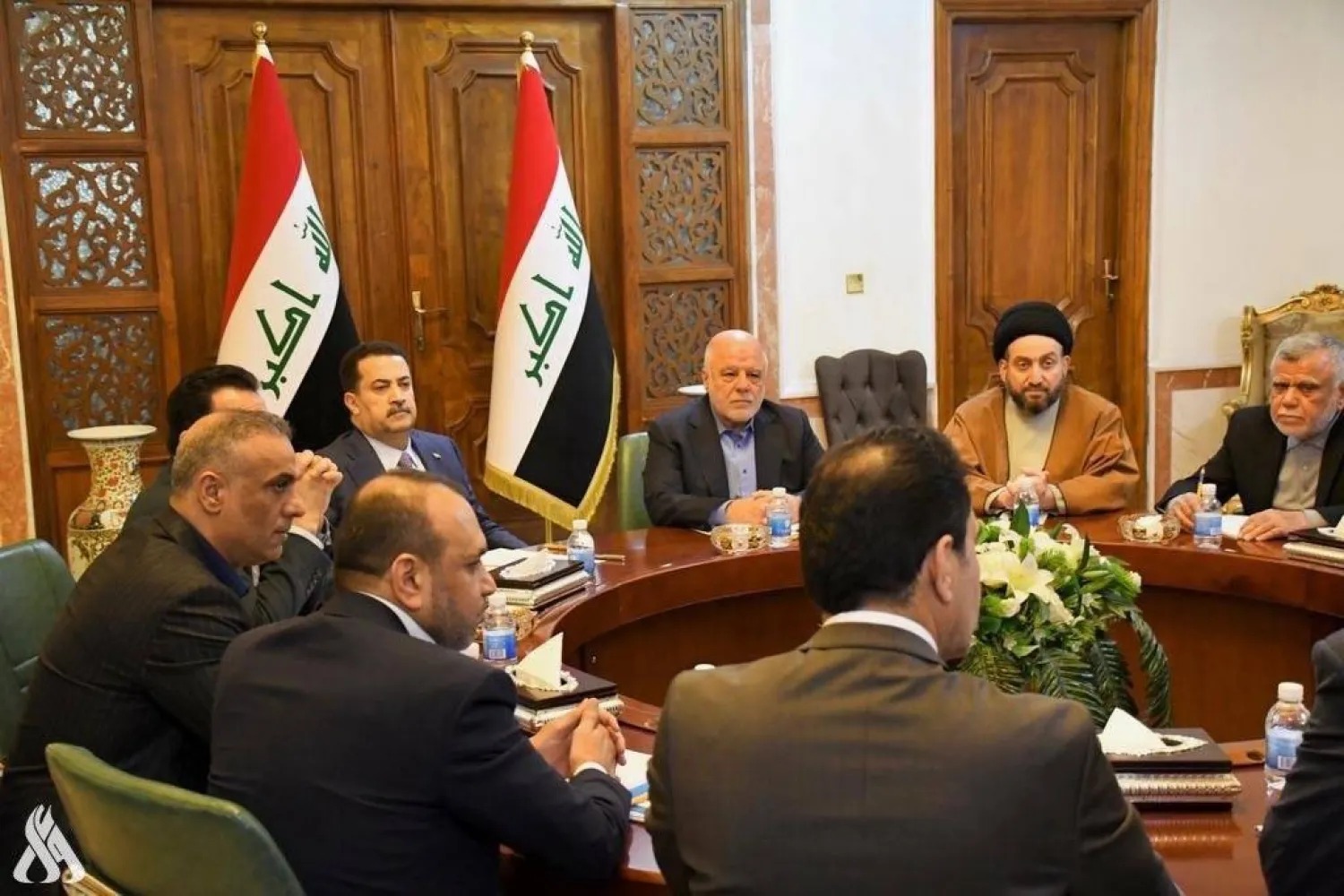
Voices within the Coordination Framework's opposition to Maliki's continued nomination for the next government have increased. (Iraqi News Agency)
Boycotting Maliki and escalating the trust crisis
These disagreements have visibly affected Maliki’s conduct within the framework, as he boycotted the last two coalition leaders’ meetings in protest against what he saw as an attempt to impose an alternative course targeting his political position. Informed sources told Annahar that “the reason for the boycott is the insistence of the majority of attendees on reopening the file of replacing him and discussing mechanisms for selecting another candidate for the premiership, who would enjoy broad internal, regional, and international consensus.” This situation highlights a growing trust crisis within the Coordination Framework, which could have significant implications for the alliance’s future and the process of forming the next government.
Mahmoud Al-Hayani, a member of the Badr Organization, told Annahar that “there is a division and deep disagreements within the framework regarding the continuation of Maliki’s nomination, and the disagreements are not limited to Maliki alone but also extend to the alternative names proposed for the role.”
He added that “an increasing number of blocs and influential parties within the framework have openly expressed their refusal to continue nominating Maliki, amid internal and external factors, as well as differing views on the qualities required of a Prime Minister capable of managing the upcoming phase.”
Al-Hayani warned that the continuation of this division “may adversely affect the unity of the Coordination Framework and the overall political scene, unless serious efforts are made to contain the disputes and reach understandings that ensure the stability of the political process in the country.”
Political science professor Ali Al-Juboori explains that the divisions “have not been limited to the position on Maliki but have evolved into a clash of visions among the framework’s forces regarding the shape of the next phase and the nature of the figure capable of managing it, resulting in a suspension of internal dialogue mechanisms and the absence of political consensus.”
Al-Juboori confirms to Annahar that "the framework faces a real test in managing its disputes and ensuring its cohesion in the upcoming phase."



 Messenger
 Whatsapp
 Threads
 Email
Email
 Print
Print
 X
X
 Facebook