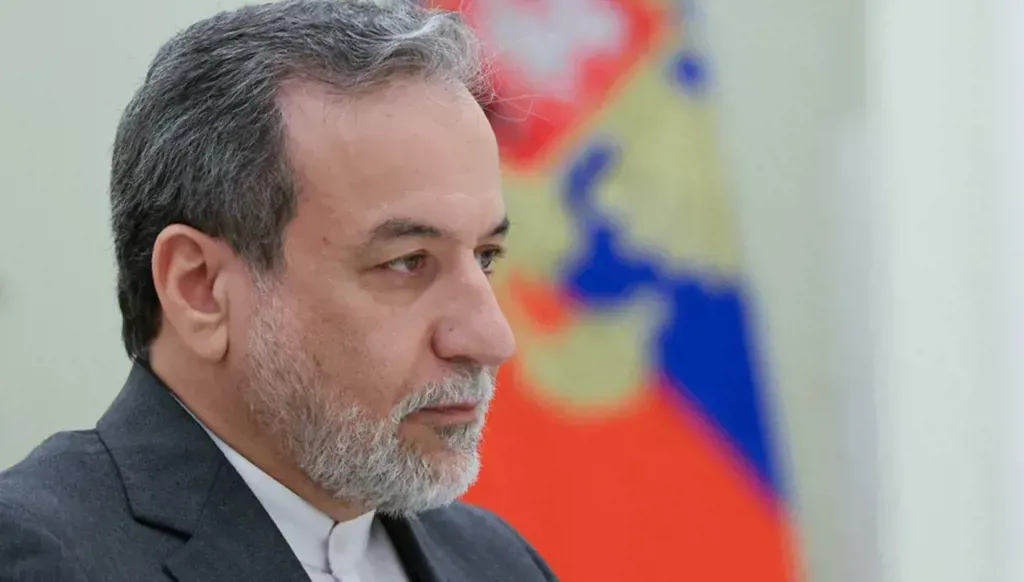
The Iranian Foreign Minister Abbas Araghchi confirmed on Sunday that his country does not seek war, but is prepared for it if it is imposed upon them.
He stated that Iran will choose diplomacy if the other party does, explaining that his country is ready to answer any questions within the framework of negotiations based on mutual respect, without yielding to pressure or dominance from any party.
Regarding the nuclear program, Araghchi emphasized that targeting Iranian nuclear facilities had not achieved its goals, affirming that “the only available path for the other party is negotiation.”
Striking American Bases
Saturday, the Iranian Foreign Minister expressed hope for the quick resumption of negotiations with the United States, while warning that his country is ready to strike American bases in the region if subjected to an American attack.
Indirect negotiations were held last Friday between Washington and Tehran in Muscat, the first since the United States launched strikes on key nuclear sites during a 12-day war started by Israel against Iran in June.
After the negotiation round ended, U.S. President Donald Trump praised the "very good" talks, while Araghchi spoke of a "very positive atmosphere."
On Saturday, Araghchi, in excerpts from an interview with Al Jazeera published on his official Telegram channel, described it as a “good start.”
He said, "At present, no specific date has been set for the second round of negotiations, but both we and Washington believe these negotiations should be held soon."
Trump had announced on Friday that the two sides would meet again "early next week."
Araghchi led his country's delegation in the talks, while the U.S. delegation was headed by Steve Witkoff, Trump's envoy to the Middle East, along with the president's son-in-law Jared Kushner.
"Handshake"
Araghchi confirmed that the talks were “indirect,” while noting that “an opportunity arose for a handshake with the American delegation.”
On Friday, the American website Axios reported, citing two sources, that direct discussions took place between Araghchi, Witkoff, and Kushner.
The Iranian Foreign Minister remarked that “the path to building trust is still long,” adding that “the Iranian nuclear issue can only be resolved through negotiations.”
He said, “We are ready for an agreement that provides reassurance on uranium enrichment by reducing its rate.”
Western countries and Israel accuse Iran of seeking to possess a nuclear bomb, which Tehran denies, affirming its right to possess civilian nuclear technology.
Before the war with Israel, Iran was enriching uranium to about 60 % purity, according to the International Atomic Energy Agency — a level close to the threshold needed to create nuclear weapons.
Trump has repeatedly called for a complete ban on uranium enrichment, but Araghchi reiterated that “enrichment is an inalienable right and must continue.”
He also stated that Tehran “opposes the transfer of uranium abroad,” an option proposed several times in previous talks.
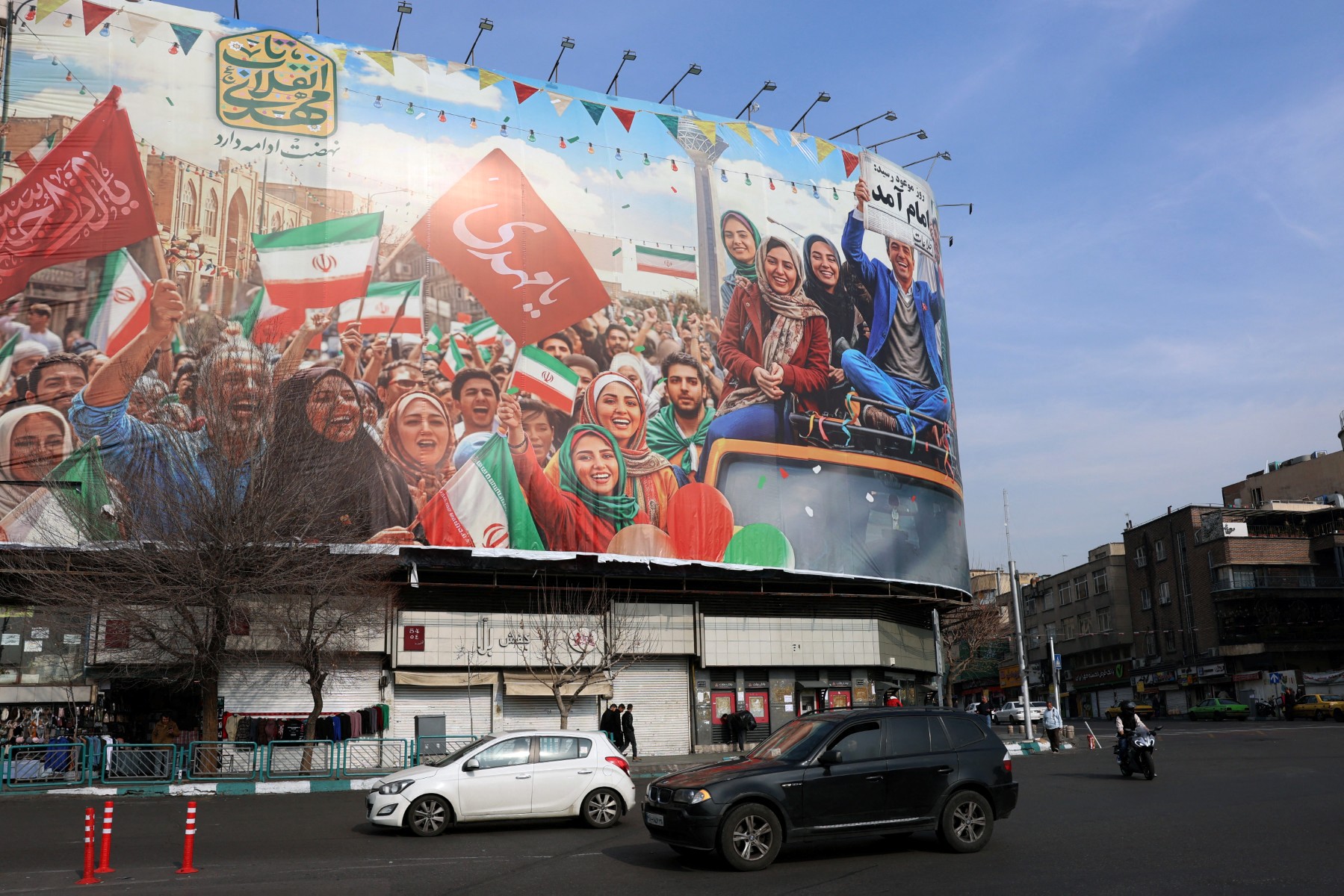
The Muscat talks followed Washington’s threats of a military strike on Iran, occurring against the backdrop of widespread protests across the country that resulted in thousands of deaths.
The U.S.-based rights organization Hrana reported documenting the deaths of 6,961 people, most of them protesters, and continues to verify the deaths of thousands more. It also recorded 51,000 arrests.
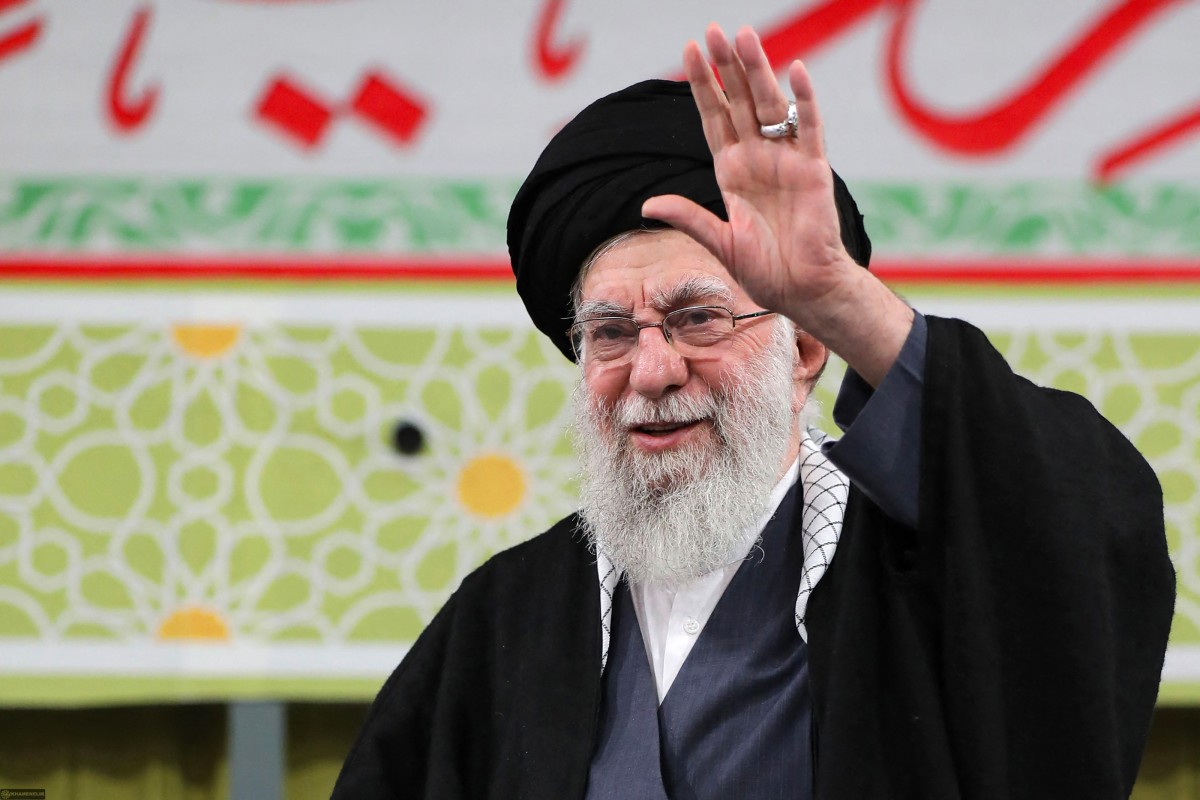
On its part, Iranian authorities admitted to the deaths of thousands of people but stated that most were security forces or passersby killed by “terrorists” supported by the United States and Israel.
The United States deployed the aircraft carrier USS Abraham Lincoln and its strike group to the area, and the head of the U.S. negotiating delegation, Steve Witkoff, announced on Saturday that he had visited it.
Witkoff stated on social media, "Today, Adm. Brad Cooper, Commander of U.S. Naval Forces Central Command, Jared Kushner, and I met with the brave sailors and Marines aboard the USS Abraham Lincoln, her strike group, and Carrier Air Wing 9 who are keeping us safe and upholding President Trump’s message of peace through strength."
Meanwhile, Araghchi reiterated in the interview that his country will target U.S. bases in the region if an attack on Iranian territory is carried out.
"Dominance Doctrine"
Additionally, the Iranian Foreign Minister reaffirmed that his country refuses to discuss its ballistic missile program, saying, “This is a purely defensive matter for us; it cannot be negotiated in any way.”
He pointed out on Friday that “the talks are focused solely on the nuclear issue,” while Washington insists they should also address ballistic missiles and Iran’s support for armed organizations in the region.
Media reports indicated that Israel pressed for these two points to be included on the negotiation agenda.
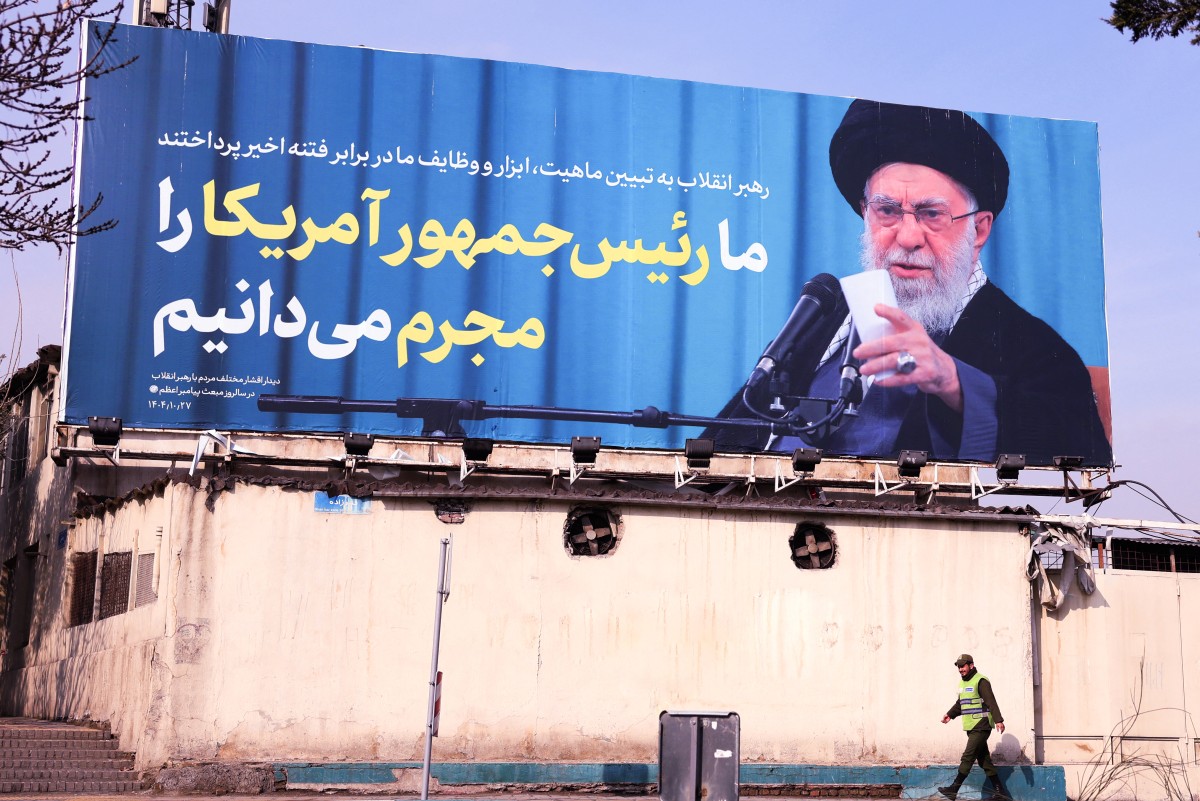
On Saturday evening, Israeli Prime Minister Benjamin Netanyahu announced that he would meet Trump on Wednesday in Washington to discuss the negotiations with Iran.
Netanyahu’s office said in a statement that “it is believed any negotiations must include limiting ballistic missiles and freezing support for the Iranian axis,” referring to the armed factions that Tehran backs in the region.
The Iranian Foreign Minister attacked Israel at the Al Jazeera Forum in Qatar on Saturday, denouncing the “dominance doctrine” that, according to him, allows it to expand its military arsenal while pressuring other countries in the region to disarm.
He said, “Israel’s expansionist project requires weakening neighboring countries militarily, technologically, economically, and socially.”
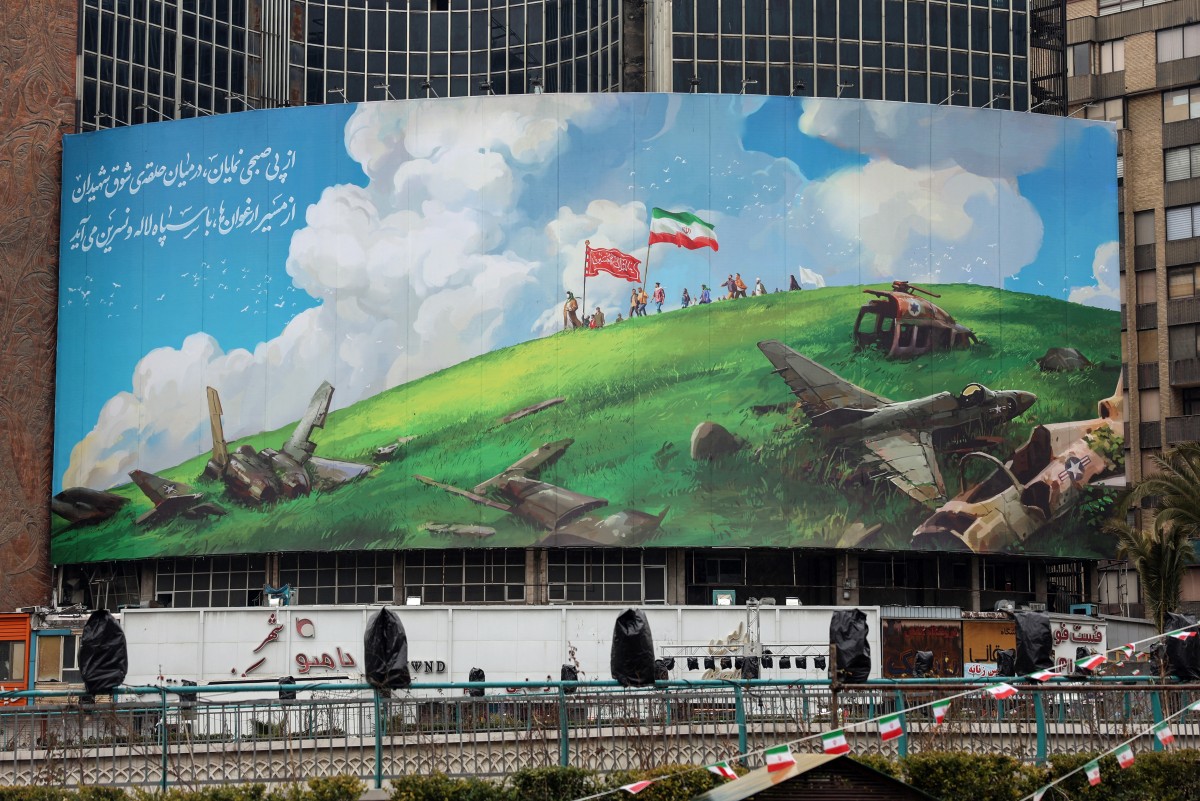
On June 13, Israel launched an unprecedented war on Iran, striking nuclear and military targets, as well as civilian sites, resulting in the deaths of more than a thousand people, including nuclear scientists and military leaders.
The United States participated by striking three Iranian nuclear sites as part of the broader conflict, and Trump said those strikes “neutralized” Iran’s nuclear capabilities; however, the extent of the damage remains unclear.
As part of the “maximum pressure campaign led by the United States” against Tehran, the U.S. State Department announced, immediately after the negotiation round ended on Friday, new sanctions on the Iranian oil sector, targeting 15 entities, two individuals, and 14 ships.
Simultaneously, Trump signed an executive order, effective as of Saturday, imposing additional tariffs on countries that continue trade with Iran.



 Messenger
 Whatsapp
 Threads
 Email
Email
 Print
Print
 X
X
 Facebook