Syria’s northeast shifts: Army advances on SDF as ceasefire holds


 Messenger
 Whatsapp
 Threads
 Email
Email
 Print
Print
 X
X
 Facebook
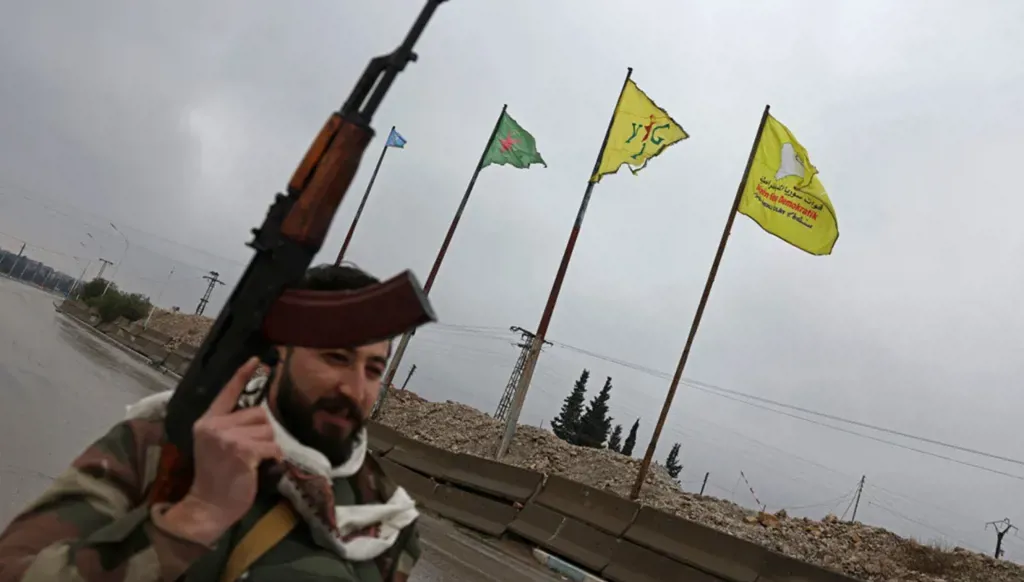


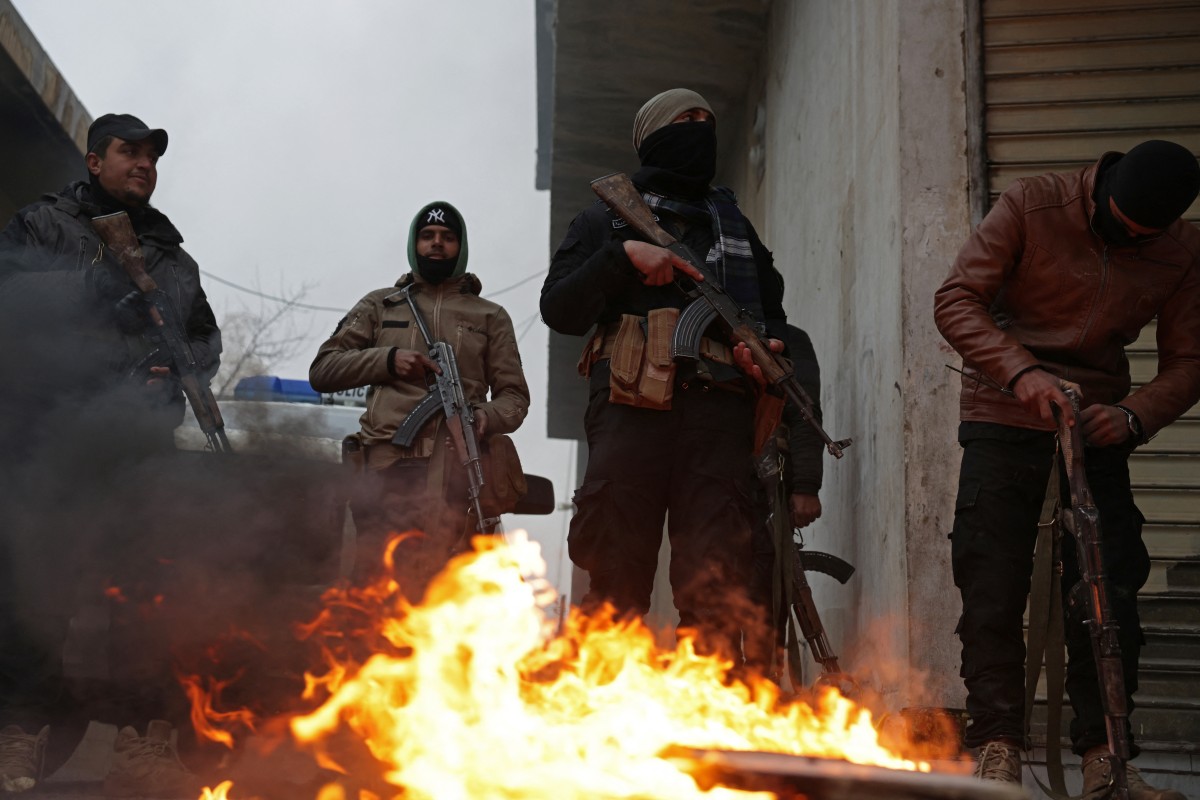
Clashes intensified between the Syrian government and the Syrian Democratic Forces (SDF) in northeastern Syria before an agreement was reached and announced by President Ahmed al-Sharaa.
After the end of the Sheikh Maqsoud battle in favor of the authorities in Damascus at the expense of the Kurdish forces, new battles began east of Aleppo, west of Raqqa, and in Deir ez-Zor. The Syrian Army advanced while the SDF retreated, before a ceasefire was reached, opening the door to numerous questions about the future of northeastern Syria and the relationship between Damascus and the Kurds.
As for the two central questions being raised, they focus on the reasons behind the operation in northeastern Syria and the timing, which is linked to regional developments.
Two main reasons
A Syrian source familiar with the matter tells Annahar about the reasons behind the Syrian government’s launch of operations against the SDF.
- The first reason is Damascus’s “desire” to “end separatist scenarios” in Syria, foremost among them the SDF, which “maneuvered and did not implement” the March 10 agreement, amid reports claiming that the SDF encouraged the Druze of Sweida and the Alawites of the coast not to integrate, in line with the Israeli position. The government may have succeeded to some extent according to the ceasefire agreement that was reached.
- The other reason, according to the source, lies in the importance of northeastern Syria, which is rich in oil. The Syrian authorities want full control over these areas, meaning control over the oil fields that could feed the war-shattered and sanction-stricken economy. The oil card will be a powerful asset for the Syrian government in its attempt to rejoin the global economic system.
A sensitive timing
Over the past years, the SDF enjoyed broad American support and a political cover from the United States under the umbrella of the international coalition. In the language of influence and politics, the SDF was an American card in Syria. The Syrian government’s launch of an operation against the SDF, coupled with the absence of strong American positions in support of the Kurdish forces, and the lack of intervention to assist them or exert real pressure to stop the war, opens the door to questions regarding the American stance and the timing of the operation.
According to the source, the Sheikh Maqsoud operation began only a few hours after a Syrian-Israeli meeting sponsored by the United States. The source refers back to a formula that Annahar mentioned earlier, which is “the north in exchange for the south”. This formula was not confirmed, but analysts spoke of an American green light for a northeastern Syria operation that would benefit Turkey and the Syrian government, in exchange for a certain Israeli influence in southern Syria.
In the end, the map of northeastern Syria has changed, as have the power balances in Syria. While it is still early to talk about a final configuration, given the fast-moving variables and unresolved files in the south and on the coast, the American decision to support the Syrian authorities became clear during the battles between the Syrian Army and the SDF, serving as an indicator of Washington’s position on Syria and the region.