

From empire to unrest: Iran’s history and the 1979 regime under pressure



 Messenger
 Whatsapp
 Threads
 Email
Email
 Print
Print
 X
X
 Facebook


Predicting the collapse of regimes is among the most challenging tasks in the social sciences, if not the most difficult. For example, very few American thinkers anticipated the fall of the Soviet Union, even in the mid-1980s.
For instance, former diplomat George Kennan, one of the architects of the Cold War containment policy, described the disintegration of the Soviet Union as nothing "more surprising and astonishing." Today, similar challenges arise when trying to interpret the ongoing protests against the rule of Supreme Leader Ali Khamenei.
If history speaks
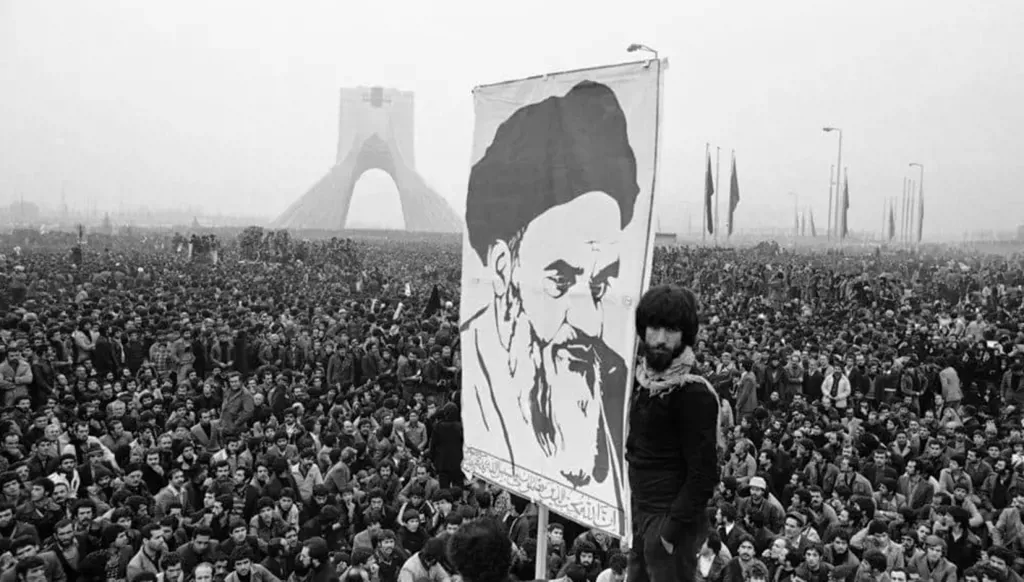
Initially, the United States failed to foresee the collapse of the Shah's regime. In a speech that still resonates today, former President Jimmy Carter praised his host, Mohammad Reza Pahlavi, in December 1977, describing Iran as a "haven of stability" in a troubled region - despite the fact that protests that year were already beginning to take hold.

Over the past two centuries, there are few examples of revolutions that completely overthrew the existing regime. Changes in power often resulted from one tribal group dominating another, as when the Qajars replaced the Zands in 1794. Despite the assassination of several Qajar leaders, including its founder, the dynasty persisted until Ahmad Shah. Between 1905 and 1911, Iran’s Constitutional Revolution created new institutions, such as the parliament, which later played a role in ousting Ahmad Shah in 1925 and consolidating Pahlavi rule following Reza Khan’s 1921 coup. Aside from the Western-backed 1953 coup - which did not alter the fundamental nature of the regime—Iran had to wait until 1979 for a truly radical transformation.
The rarity of revolutions in Iran over the past century makes predicting future developments particularly difficult. At the same time, the frequent protests since 1979 have done little to change this pattern. Observers often claimed that "this time was different," yet the regime consistently succeeded in suppressing dissent.
What no one considers

Ultimately, while history offers limited insight into Iranian revolutions, the present shows that the current regime is at its weakest point since coming to power. At the very least, no one today considers Iran a "haven of stability."