

The Arab Spring: The institutionalization of failure



 Messenger
 Whatsapp
 Threads
 Email
Email
 Print
Print
 X
X
 Facebook



For decades, the North Atlantic community operated under the axiom that authoritarian regimes in the Middle East and North Africa (MENA) were the only viable bulwarks against regional chaos, Islamist extremism, and the disruption of global energy markets. However, the events of 2011 and their bloody aftermath in Syria and Libya have demonstrated that that this so-called “stability” was a brittle mirage, constructed upon a foundation of exclusion, repression, and unsustainable socio-economic grievances.
The anatomy of miscalculation
The primary lesson that Western policymakers have struggled to internalize is that supporting autocracy is a self-defeating endeavor that actively produces the very instability it seeks to prevent. This "stability myth" has historically led the United States and Europe to provide vast quantities of military aid, diplomatic cover, and intelligence assistance to regimes that were fundamentally fragile. The Arab Spring shattered the illusion that these regimes were durable, yet the West’s eventual return to supporting certain Arab "leaders" suggests a stubborn refusal to abandon the traditional paradigm.
Western analysis has retrospectively identified a "demographic bubble" of well-educated but economically marginalized youth as the primary engine of the 2011 protests. These individuals came of age in states where political participation was nonexistent and economic opportunity was restricted to a narrow elite connected to the ruling clans. The self-immolation of Mohamed Bouazizi in Tunisia served as the spark, but the fuel was decades of humiliation at the hands of petty officials and a total lack of dignity (Karama) within the state-society contract.
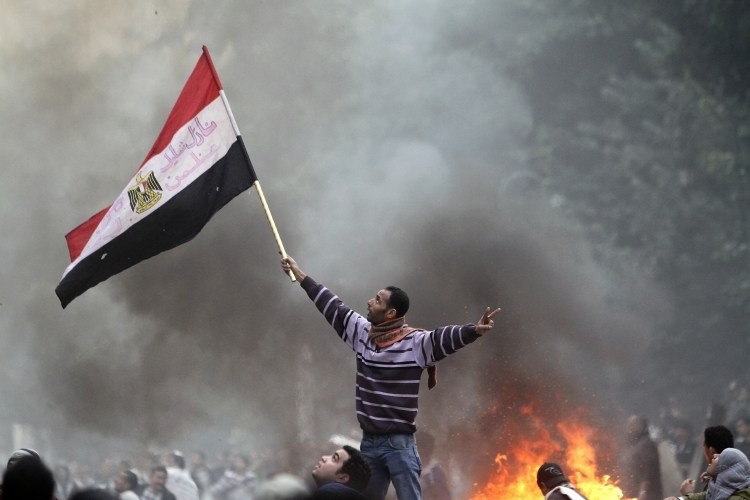
The Cato Institute and other critical voices have argued that Middle Eastern autocracies are not the bulwark against chaos they claim to be but are instead the primary drivers of regional instability. By suppressing all forms of peaceful secular opposition, these regimes left the mosque as the only space for organized social and political life, thereby ensuring that any challenge to the status quo would take an Islamist form. Western support, often described as a “blank check,” allowed these governments to act with impunity, fueling grievances that later contributed to the rise of ISIS and other extremist groups.
Reconciling democracy with strategic interests
One of the most painful lessons for Western governments was the realization that free and fair elections in the Arab world would almost certainly result in victories for Islamist parties. The emergence of the Muslim Brotherhood in Egypt, Ennahda in Tunisia, and the Justice and Development Party in Morocco presented a "Janus-faced" dilemma for Western actors who had championed democratic values but feared the strategic consequences of an Islamist-led MENA region.
In Egypt, the Muslim Brotherhood benefited from organizational networks and fundraising plans that were decades in the making, allowing them to dominate the post-Mubarak transition. The Western response, particularly from the Obama administration, was characterized by a cautious and often contradictory posture. Western observers have noted several critical failures during this period, like the governance deficit (the Brotherhood lacked experience in governmental affairs and economic management), majoritarian overreach (the Morsi government was criticized for pursuing an exclusive political agenda leading to a breakdown in consensus on the new constitution), and the military's resilience (the Supreme Council of the Armed Forces remained a dominant and corrupt force that the West failed to pressure effectively during the early days of the revolution). President Mohamed Morsi was met with Western silence, widely interpreted as a return to the “stability-first” paradigm and a betrayal of democratic principles.

Tunisia was long portrayed as the Arab Spring’s lone success story, the only nation to initiate a durable process of democratization. Ennahda party, though inspired by the Muslim Brotherhood but acting with greater moderation, initially sought to work with other parties to build a consensus-based system. However, fifteen years later the Tunisian case has become one of deep disillusionment. Western policy toward Tunisia is now viewed as having been too focused on political procedures and not enough on the "bread and dignity" issues that were the heart of the revolution. By neglecting the everyday economic concerns of the Tunisian people, the West allowed a narrative to take hold that democracy itself was a luxury the country could not afford.
Libya and Syria: The intervention paradox
The NATO-backed overthrow of Muammar Qaddafi in 2011 was initially greeted with optimism but quickly devolved into lawlessness and militia rule. Western assessments now point to several "fateful mistakes" in the Libya campaign:
- The Mission Creep: A limited humanitarian mandate to protect civilians in Benghazi evolved into an explicit regime-change operation.
- The Power Vacuum: The assumption "let the Libyans do it themselves" was a gross miscalculation that ignored the total absence of state institutions.
- The Militia Trap: Placing predatory militias on the state payroll, which empowered a new class of warlords and kept the regular army and police weak.
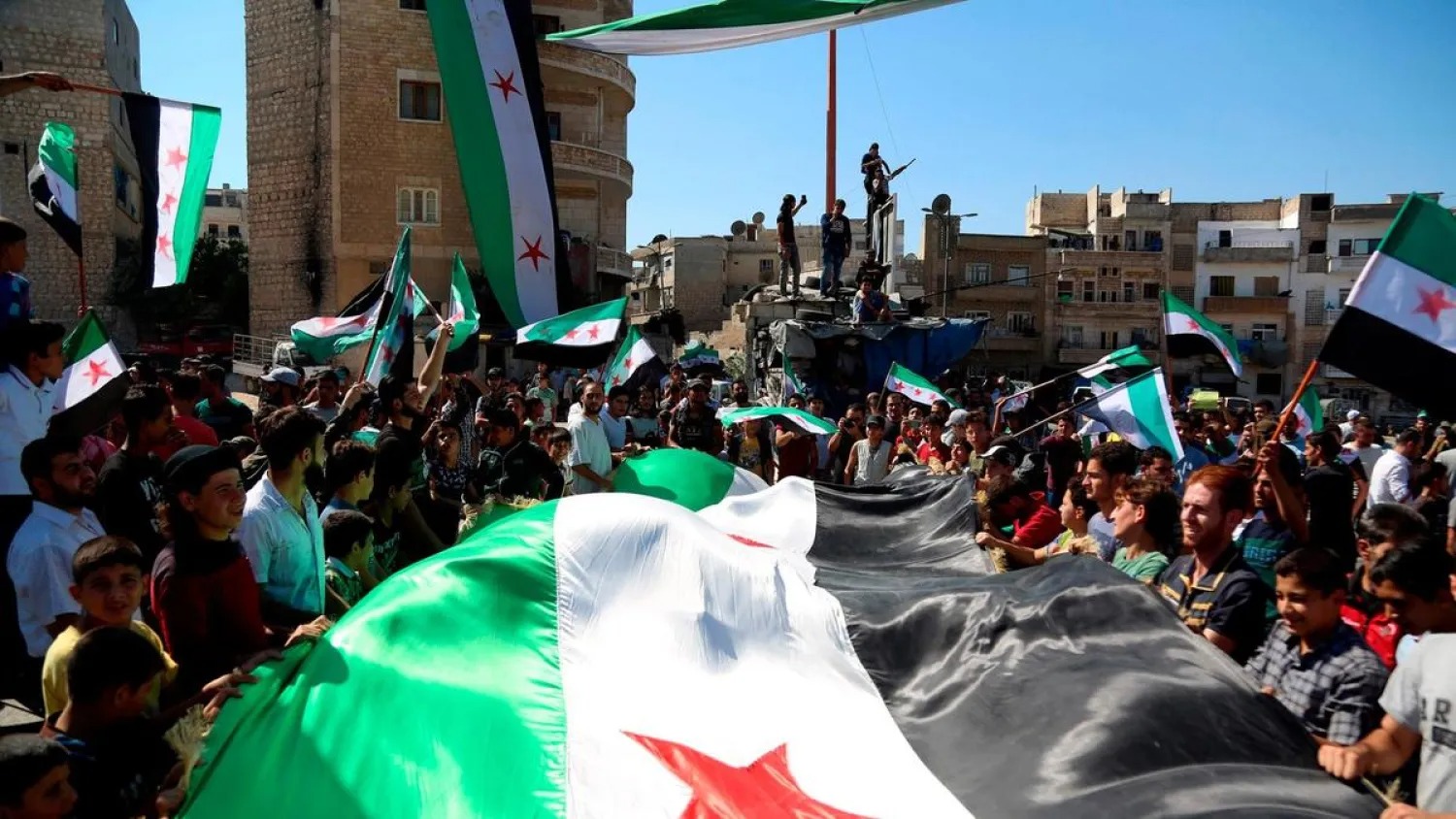
In Syria, the West faced the opposite problem: a reluctance to intervene. This hesitation allowed the conflict to transform from a peaceful protest movement into the century’s most devastating civil war. The 2013 "red line" incident, where the Obama administration failed to follow through on threats of military strikes after the Assad regime used chemical weapons, is seen as a pivotal moment that undermined Western credibility globally. The resulting "credibility spiral" created by this inaction had several profound consequences, like emboldening adversaries (failure to act over Syria signaled a lack of resolve that was noted by China, North Korea, and Iran), the Russian intervention (the vacuum left by Western hesitance was filled by Russia and Iran, whose indiscriminate bombing campaigns and militia support ensured the survival of the Assad regime), and the "ISIS-First" strategy (the West eventually reframed the Syrian crisis solely in terms of counter-terrorism, prioritizing the defeat of ISIS over the protection of civilians or the removal of Assad). This strategy communicated to the Syrian opposition that the West was willing to intervene against jihadist violence but not against the state violence that had given rise to it.
Failure of the social contract
A critical failure of the Arab Spring movements and the Western support they received was a neglect of economic policy and its relevance to the daily lives of citizens. Protesters focused on political freedoms and the removal of dictators, but often avoided confronting the security sector or the deep structural economic challenges facing their countries.
Western democracy promotion often relied on the "Washington Consensus," which prescribed neoliberal economic reforms and free trade as the path to stability. This framing ignored the fundamental socio-economic demands for "bread, social justice, and dignity" that drove the uprisings. Western analysts now recognize three common lessons for future movements: sustained political participation (protest movements failed to translate street-level energy into sustained involvement in governance, allowing traditional elites to seize the initiative), economic pragmatism (future movements must prioritize everyday economic concerns over abstract political ideology), and security sector reform (protesters targeted security buildings but lacked a concrete plan to redefine the public's relationship with the police and the military).
At the end of the day, the Arab Spring is not a completed event but a process that has fundamentally altered the political landscape of the region. The frustrations that fostered the uprisings remain unresolved, while the barrier of fear has been broken, the path toward stable and democratic future remains long and fraught with risk. Western policymakers must finally learn that the pursuit of a hollow "stability" through autocracy is a guarantee of future explosions.