Revoking the Caesar Act: A turning point for Syria’s economy?


شارك على
 مسنجر
مسنجر
 واتساب
 ثريدز
ثريدز
 بريد إلكتروني
 الطباعة
شارك على


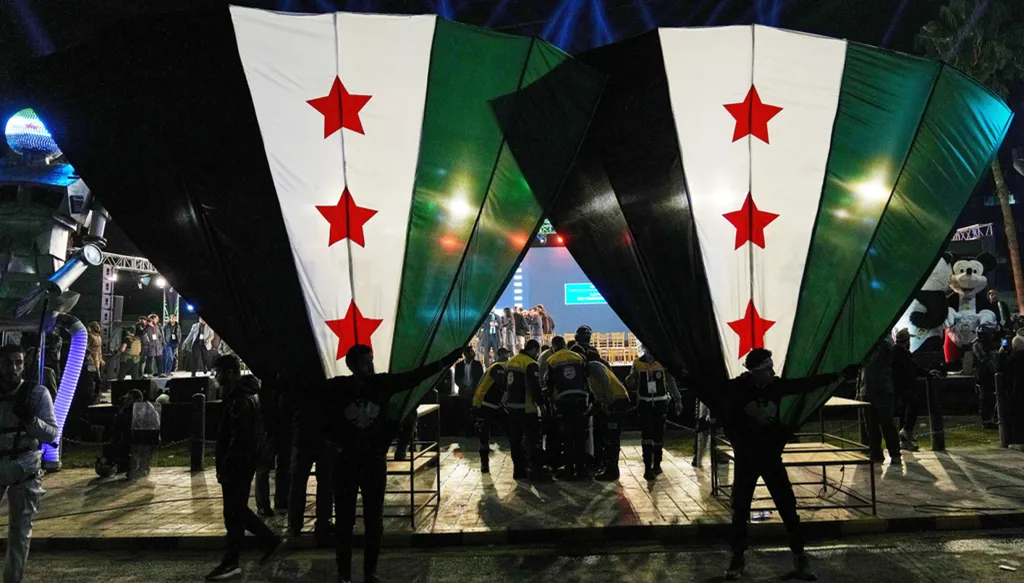


In what was described as a historic turning point, the U.S. House of Representatives voted to revoke the Caesar Act, lifting sanctions on Syria that had long been among the main constraints on its economy. Hassan al-Shawa, director of consumer protection at Syria’s Ministry of Internal Trade, said the decision would provide a significant boost to the country’s economic recovery.
Public Optimism
Al-Shawa said the most immediate impact of lifting the sanctions has been a renewed sense of optimism among Syrians, an atmosphere he described as essential for economic activity to return to its natural course. While the decision does not mark an endpoint, he said it paves the way for a new phase of economic revitalization and investment , with the potential to improve living standards and stabilize the labor market.
Al-Shawa noted that companies had already begun entering the Syrian market even before the lifting of sanctions, with several investment contracts signed in recent months across sectors including electricity, energy, airports, transport, infrastructure, hotels and milling. While these projects moved forward despite significant challenges, he said the removal of economic restrictions would allow greater room for expansion and practical implementation on the ground.
He added that the new environment created by the decision would open broader opportunities for investment and strengthen competition within the Syrian market. This, he said, would improve the availability of goods, boost commercial activity and ease pressure on consumers, while also building confidence among both investors and citizens by reducing obstacles and opening new avenues for growth.
Reconstruction: A Step Closer to Implementation
Al-Shawa said the current phase could shorten the timeline for rebuilding the country and help restore Syria to its previous regional and international standing, leveraging its geographic location, human capital and economic resources. Popular will, he added, could play a key role in supporting this transformation and rebuilding Syria as a modern and developed state.
He concluded by stressing that the lifting of sanctions marks the beginning of a new economic trajectory, with subsequent investment and development steps potentially serving as a critical launch point for reviving economic activity, expanding job opportunities and improving living conditions for Syrians in the period ahead.
Despite these positive indicators, a key question remains: to what extent will this shift translate into tangible improvements in daily life, and how soon will Syrians begin to feel real change on the ground?
العلامات الدالة
الأكثر قراءة