Arabs of Ahvaz: Reviving identity amid Iran’s fragile state


شارك على
 مسنجر
مسنجر
 واتساب
 ثريدز
ثريدز
 بريد إلكتروني
 الطباعة
شارك على


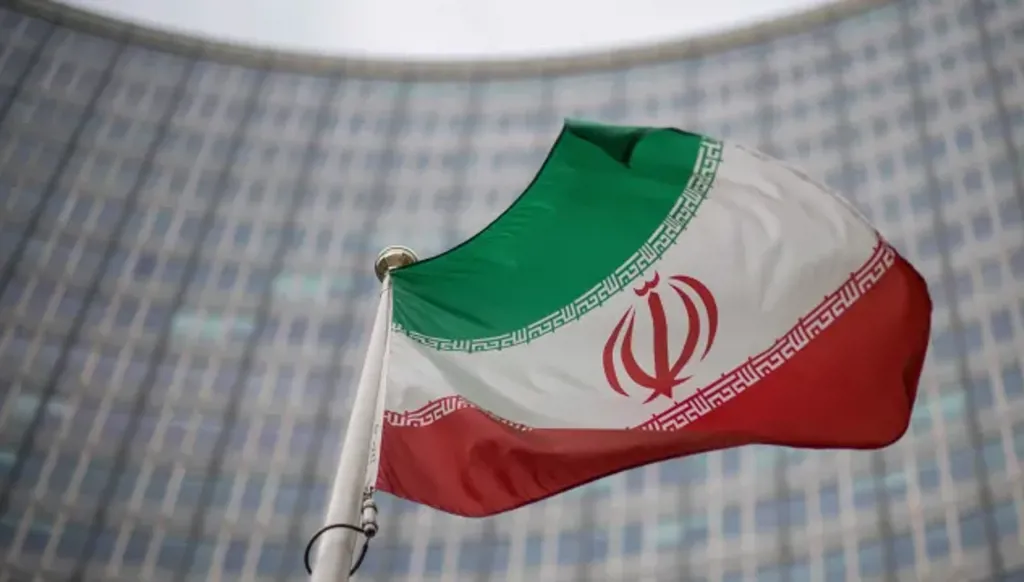


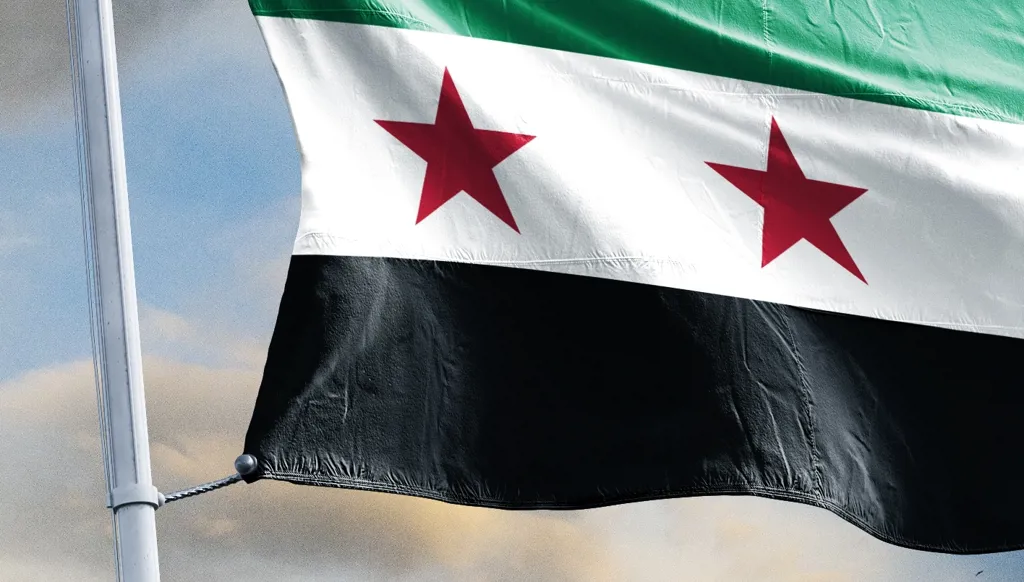
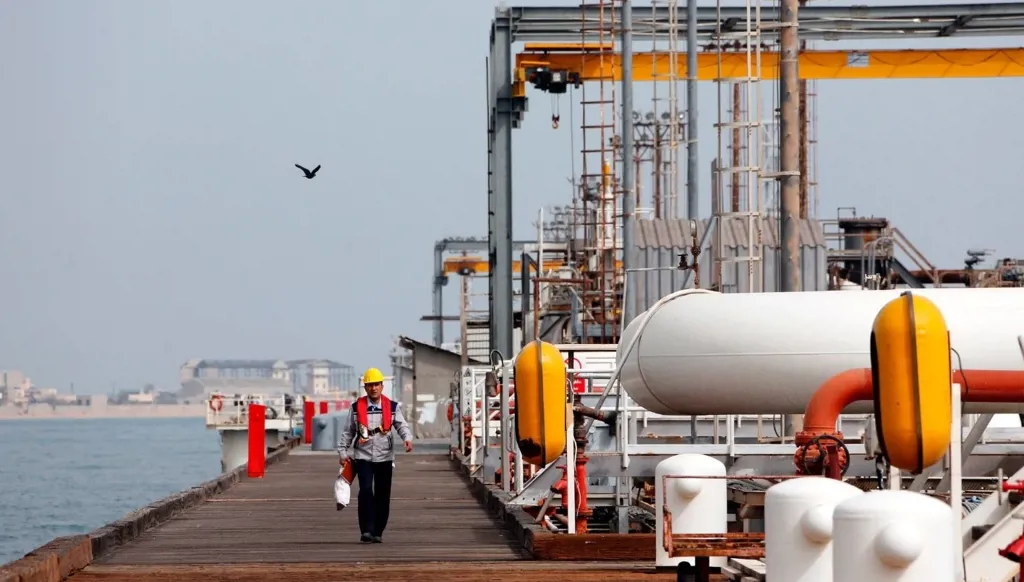
Home to millions of Arabs, Ahvaz is a region that contains most of Iran’s oil and gas wealth, critical water resources in a drought-stricken country, and key agricultural assets such as wheat, making it one of Iran’s top producing areas. Due to these advantages, Ahvaz is a key element in shaping the future of post-war Iran.
Within Iran, long-standing internal tensions repeatedly intensify and resurface further weakening an already fragile state. One of the most persistent challenges is the deep discontent among non-Persian populations—unrest that modern Iranian history shows tend to flare up whenever the state grows weak. A clear example is the 1979 Islamic Revolution, during which movements emerged across political, social, and even armed spheres among non-Persian groups. The new regime at the time took several years to suppress these uprisings.
Among the challenges facing modern Iran are those that could trigger profound political reforms, or even lead to the overthrow t of the existing system. Others have the potential to radically reshape the relations between its diverse social components, or ultimately cause their fragmentation—albeit over time.
The second category includes Iran’s ethnically and religiously diverse population: more than 50% of the country’s inhabitants are non-Persian, including Arabs, Kurds, Turks, Turkmens, Balochis, as well as religious and sectarian minorities such as Sunnis, who are the largest minority and largely concentrated along the borders. Many of these groups are systematically deprived of basic rights, including education in their mother tongue and the freedom to practice cultural or religious rituals. Faced with a threat to their existence, these communities resist when they can, seeking opportunities to reclaim their rights and reassert their place.
What is particularly striking is that the Iranian regime itself recognizes the potential danger posed by these marginalized groups’ resurgence. It has occasionally attempted to mitigate the risk by creating limited measures of satisfaction. One notable example is the appointment of an Arab governor in Ahvaz for the first time since its annexation to Iran in 1925. Through such gestures, certain factions within the regime aim to placate the Ahwazis, whose alignment with other groups could exploit Tehran’s current weaknesses to push for fundamental changes in the structure of Iran’s social fabric. Yet entrenched Persian nationalism and Shiite sectarianism, deeply ingrained across the political spectrum and within the Persian elite, are likely to obstruct these preemptive measures. As a result, relations among these communities are defined by persistent awareness and shared vigilance
It is unlikely that the regime will collapse once imminent conflict fades. Instead, it will persist in a weakened state, confronting the demands of non-Persian people, including the Ahwazis. If it resorts to repression, it will only deepen resentment and hostility, an outcome it neither desires nor can withstand. Yet if it grants these groups their demands, it will be confronted with a new Iran, one that the regime’s core, and even the dominant Persian elite that has ruled unshared for a century, does not wish to see.
Ahvaz, with its strong Arab identity, its frequent large-scale protests since 2005 that reflect deep public dissatisfaction, and its active political, social, and cultural circles despite harsh repression, alongside its strategic location and vast energy and natural resources, could emerge as a key role in post-war Iran. However, this remains uncertain: after decades of continuous repression, the Ahwazis may struggle to organize themselves into an influential pressure group without meaningful external support.
As for any regional powers attempting to exploit the opportunities presented by non-Persian people in Iran generally, and in Ahvaz in particular, such interference could set the current Iran on a path toward profound change. Under the pressure of intense internal demands, the country could evolve into a democratic, federal state composed of multiple provinces, each with its own language, culture, interests, and identity. In that scenario, Iran would become a meeting point for diverse cultures in the region and a constructive force in the Middle East and the world at large.
العلامات الدالة
الأكثر قراءة