Post-UNIFIL uncertainty in Lebanon and the complexities of transition


شارك على
 مسنجر
مسنجر
 واتساب
 ثريدز
ثريدز
 بريد إلكتروني
 الطباعة
شارك على


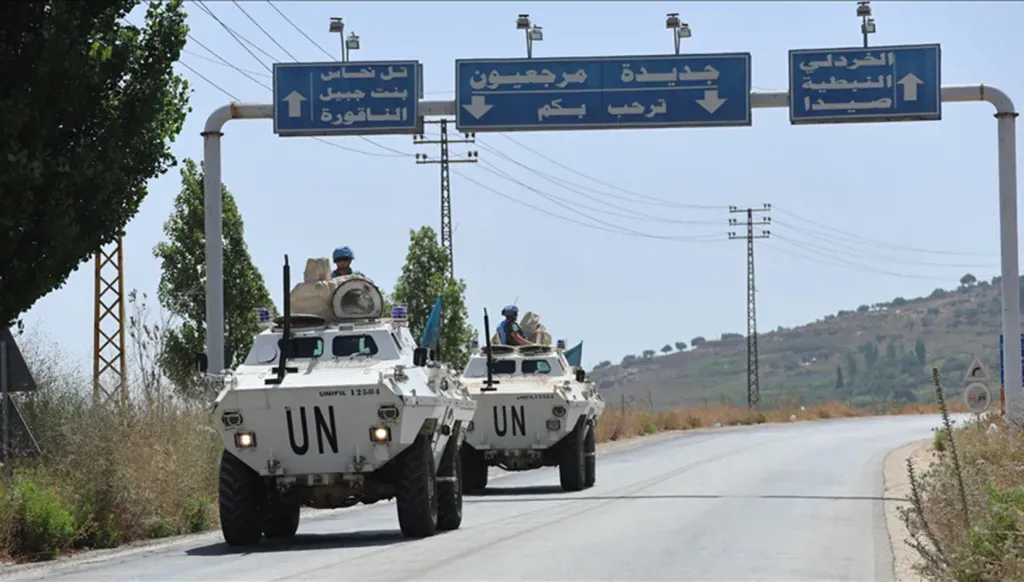


Despite the justified reasons prompting Lebanon to seek alternative forces to replace the international force operating in the south (UNIFIL) after the termination of its mission nearly 48 years ago, this endeavor signals, among many other indicators, the lack of momentum in rebuilding the state in Lebanon over the past year. When the United Nations Security Council extended the UNIFIL mandate for the last time at the end of August until the end of 2026, primarily under US pressure, many saw it as a positive step against the backdrop of the likely probability of no longer needing to invest in these forces. The American motivations for this are varied and manifold, in light of Lebanon's plan to regain control over all its territories starting from southern Lebanon, and under American auspices, to implement the cease-fire agreement, paving the way to end the tension in the south while pushing towards a return to the armistice agreement between Lebanon and Israel, modified according to changing circumstances.
The idea of dispensing with UNIFIL in the south posed significant challenges for a country that has, over decades, relied on the presence of an international umbrella which, although neither fully protective nor truly deterrent, served as a buffer between Lebanon and Israel, witnessing the latter's aggressions. It seemed as though Lebanon was being placed in a position where it had to quickly adapt and assume this reality. However, the idea—or step—appeared tempting for other reasons, most notably what it signifies in terms of the Lebanese army's ability to assert the state's sovereignty over its borders, which implies inevitable partnerships between Lebanon and regional and Western countries to support the army in fulfilling this role. Furthermore, this reflects the international community's confidence that Lebanon is moving toward resolving its longstanding crises, as well as the Lebanese people's confidence that Lebanon has returned to being a fully realized state capable of protecting its borders, even if it continues to require support from its allies in this context.
The pursuit, through the Paris Conference, to support the Lebanese army in developing these capabilities in the coming phase aligns with Lebanon's quest for European forces to replace UNIFIL in the south after the end of the year, within a format currently under discussion among multiple options managed by the United Nations Secretariat. The UN Secretary-General is scheduled to present a report by June 2026 on ways to advance the implementation of Security Council Resolution 1701, secure and monitor the Blue Line, and support the deployment of the Lebanese army south of the Litani River. This could potentially occur through enhancing the role of the United Nations Joint Truce Supervision Committee, maintaining a crucial role for the UN in reinforcing peace and security in the south.
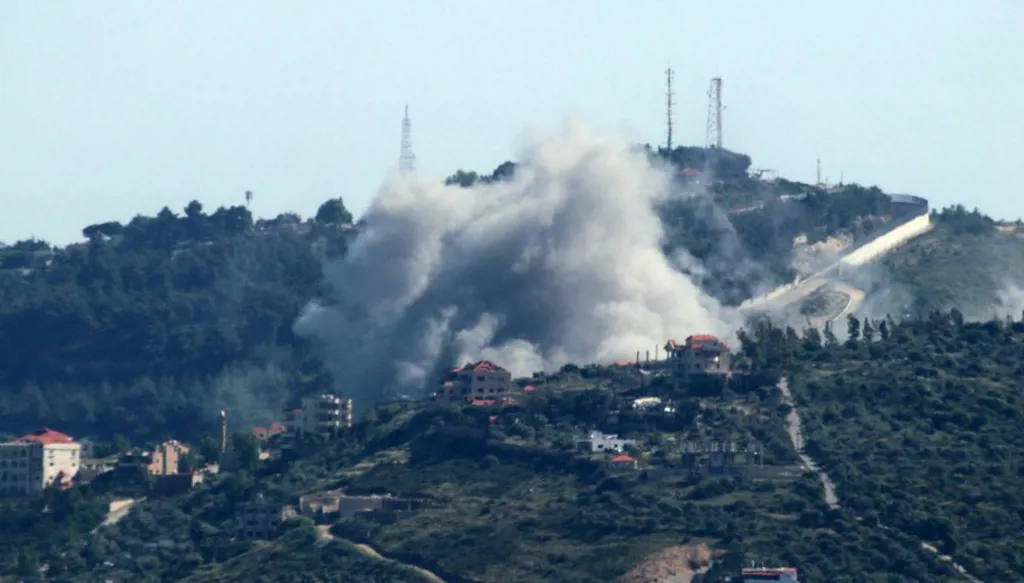
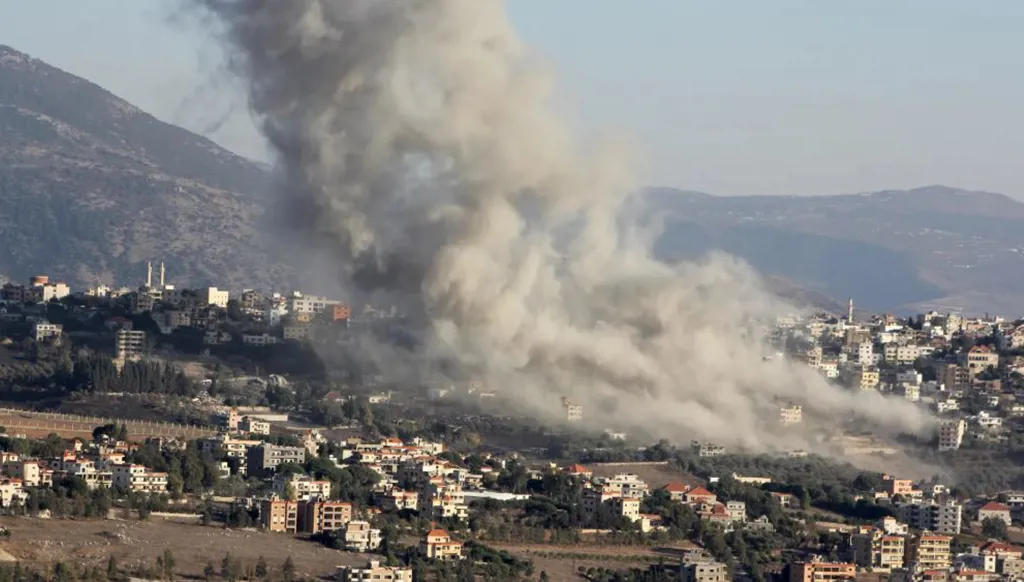
However, there is concern that the transitional phase may take longer than expected. On one hand, Israel has not fulfilled its part of the cease-fire agreement, as it has not withdrawn from the areas it occupies in the south and continues targeting sites and individuals in Lebanon without deterrence. On the other hand, while negotiations were expected to facilitate the resolution of at least the security issues, alongside progress on political files that would restore significance to all outstanding border matters between Lebanon and Israel—paving the way for a return to the armistice agreement or a similar arrangement—this process has stalled, at least for now, as a new framework is being sought that remains unclear.
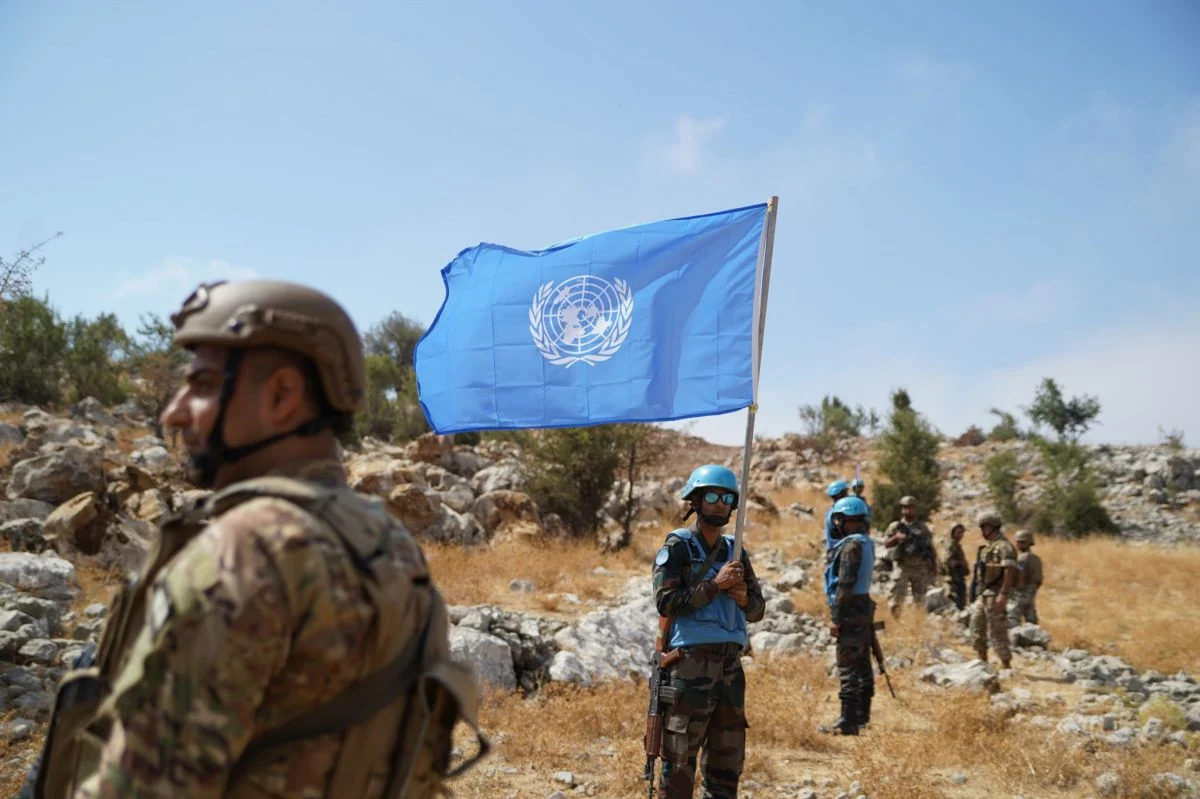
The Lebanese army’s efforts to advance its mission of asserting authority over all Lebanese territories have faced significant obstacles, due to Israel’s refusal to withdraw from Lebanon, which continues to hinder its ability to deploy directly along the borders. This has been compounded by the lack of US pressure on Israel, which could have strengthened Lebanon’s position in this regard. At the same time, Hezbollah’s opposition to the state’s attempts to assert control — through its efforts to retain its weapons — undermines the state’s capacity, as Hezbollah seeks to maintain its arms and influence as leverage for Iran in negotiations with the United States. The current developments between the US and Iran — whether they reach a full or partial agreement, remain stalled in negotiations for a long period, or if a US strike on Tehran occurs — are likely to have repercussions on Lebanon that may not be positive. The situation in Lebanon, more than a year after the political recovery process began, reveals extreme fragility and ongoing complexities, even as the cessation of war has largely turned into a prolonged state of attrition.
Disclaimer: The opinions expressed by the writers are their own and do not necessarily represent the views of Annahar.
العلامات الدالة
الأكثر قراءة