

An objective international approach to the Lebanese army’s plan


 Messenger
 Whatsapp
 Threads
 Email
Email
 Print
Print
 X
X
 Facebook


Rosana Bou Monsef*
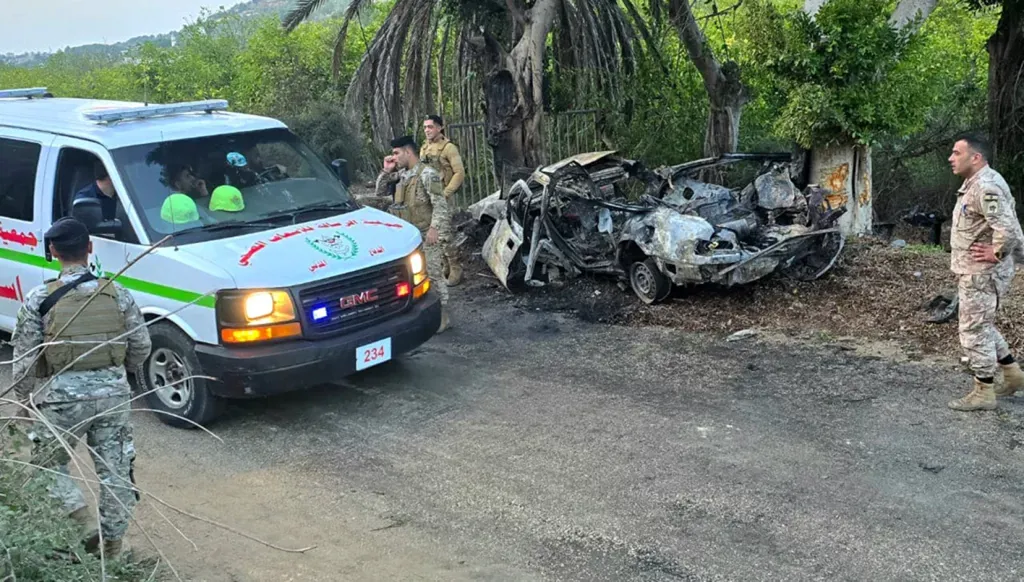
The Israeli airstrikes on January 9, which focused more on sites north of the Litani rather than the south, may indicate the Lebanese Army's success to a degree that Lebanon's official entities may not need much to convince Hezbollah to concede the state's exclusive right to weapons north of the Litani in the upcoming phase. This is based on the expanded Israeli targeting, signaling a new phase of pressure on the state and the party, and on the accelerating developments in the region as attention turns to the popular movement in Iran on one hand, and to U.S. reactions to this movement on the other. This last point concerning the American stance leaves room for much speculation and conjecture in light of the precise observation of the Iranian situation and the potential for some kind of American intervention that might lead to serious negotiations this time against the backdrop of American demands rejecting any level of enrichment in Iran.
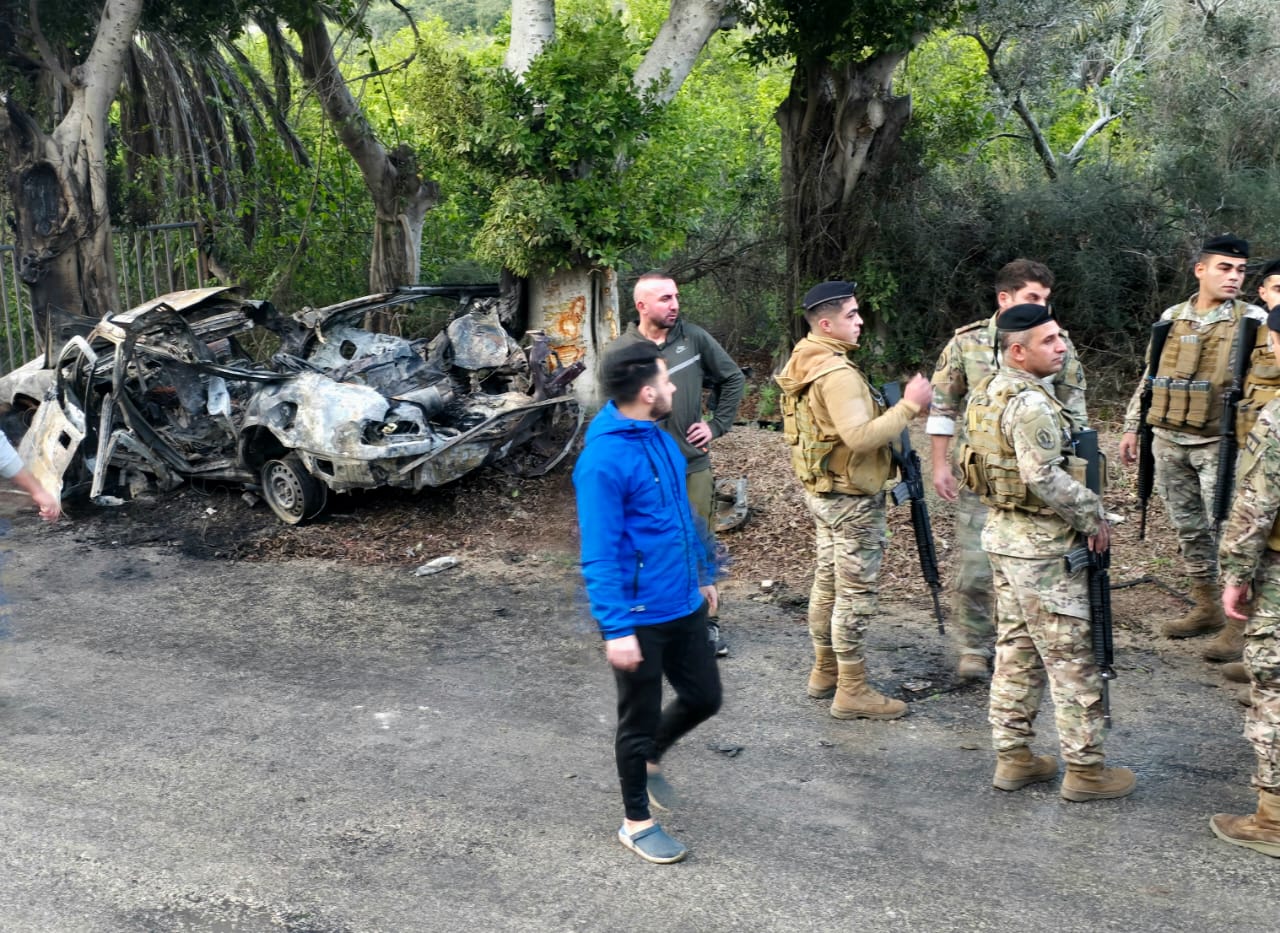
So far, external circumstances reacting to the "Al-Aqsa Flood" operation carried out by Hamas have greatly influenced the revival of Lebanese institutions, especially with the weakening of the party and the fall of Bashar Al-Assad's regime in Syria. The repercussions of the Israeli-American war on Tehran last June have not yet ended, setting the inevitability of a new reality in Iran that has yet to manifest but is increasingly anticipated with an escalating economic collapse and international and regional allies sharing Western expectations about the possible outcomes in Iran, amid substantial expectations that things in Iran cannot remain as they are, or rather cannot withstand remaining unchanged regardless of the direction things take. Therefore, regional conditions may again serve Lebanon by not forcing it into engaging in security battles, especially as it is not inclined to, but even political battles to continue on the path of rebuilding the state. Meanwhile, waiting for external circumstances may not absolve the state from the necessity of advancing to the next steps in its path, particularly concerning the exclusive control of weapons without waiting for regional developments, although they might positively influence Lebanon in some way. The recent Israeli strikes on party sites north of the Litani contributed to the implicit Israeli acknowledgment that the Lebanese Army, contrary to an Israeli statement questioning the Army's statement about the completion of state authority restoration south of the Litani, has succeeded in providing the necessary guarantees for maintaining security on the Lebanese-Israeli border.
Political circles interpret this from the Army's statement on the 8th of this month, which was followed by Israeli raids a day after declaring that Hezbollah's disarmament south of the Litani had been significantly accomplished, and that preparations for the next disarmament phase would commence. The new significant Israeli airstrikes north of the Litani suggest that Israel trusts that the south of the Litani has become more secure and that what has been achieved is largely reliable.
Information indicates that the United States, France, and Saudi Arabia were privy to the subsequent steps of the Lebanese Army and its achievements. The statement would not have been issued as it was, with a recorded need for an additional month and immediate political support from the presidency, if there wasn’t an objective external understanding of what the Army announced and its near future plans, following a meeting held by Army Commander Rudolf Heikal in Paris last month on the 18th with representatives from the three countries. Meanwhile, the recent meeting held by President Joseph Aoun with the head of the Lebanese delegation to the Mechanism Committee, Ambassador Simon Karam, in preparation for the committee meeting on the 17th of this month, suggests that matters continue as expected without fundamental changes concerning the steps taken by the Lebanese Army, but there is also keen political monitoring of the process.