Lebanon's Financial Gap Law passes Cabinet vote 13-9


شارك على
 مسنجر
مسنجر
 واتساب
 ثريدز
ثريدز
 بريد إلكتروني
 الطباعة
شارك على


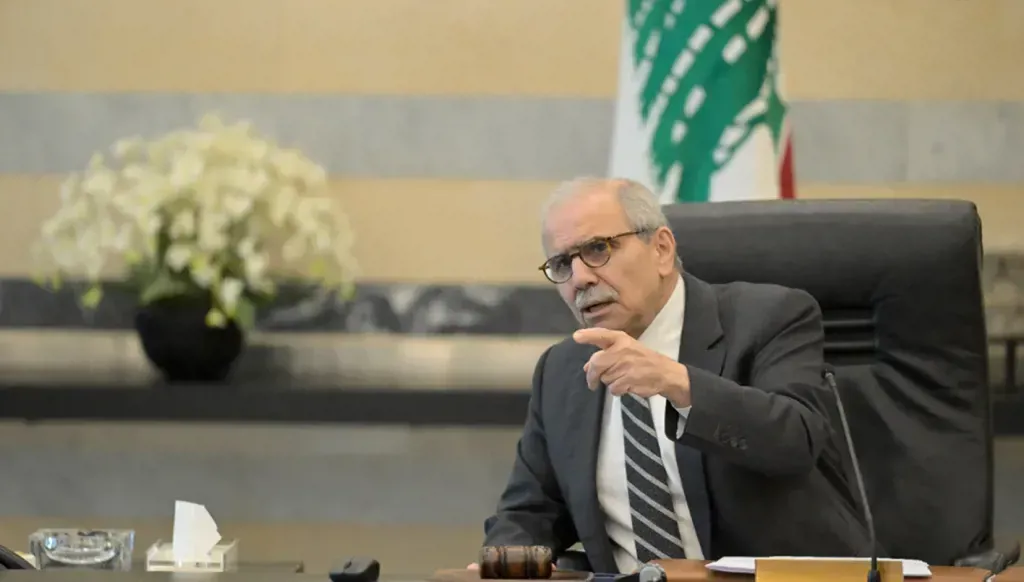


The Cabinet approved the Financial Gap Law and the Depositors’ Recovery Plan, with 13 ministers voting in favor and 9 opposed.
The session, chaired by Prime Minister Nawaf Salam at 9 a.m. in the Grand Serail, was attended by the ministers, with the exception of Minister of Culture Ghassan Salameh. Also present were Dr. Antoine Choucair, General Director of the Lebanese Presidency, and Judge Mahmoud Makkieh, Secretary General of the Cabinet.
Simultaneously with the session, depositors held a sit-in around the Grand Serail to demand justice.
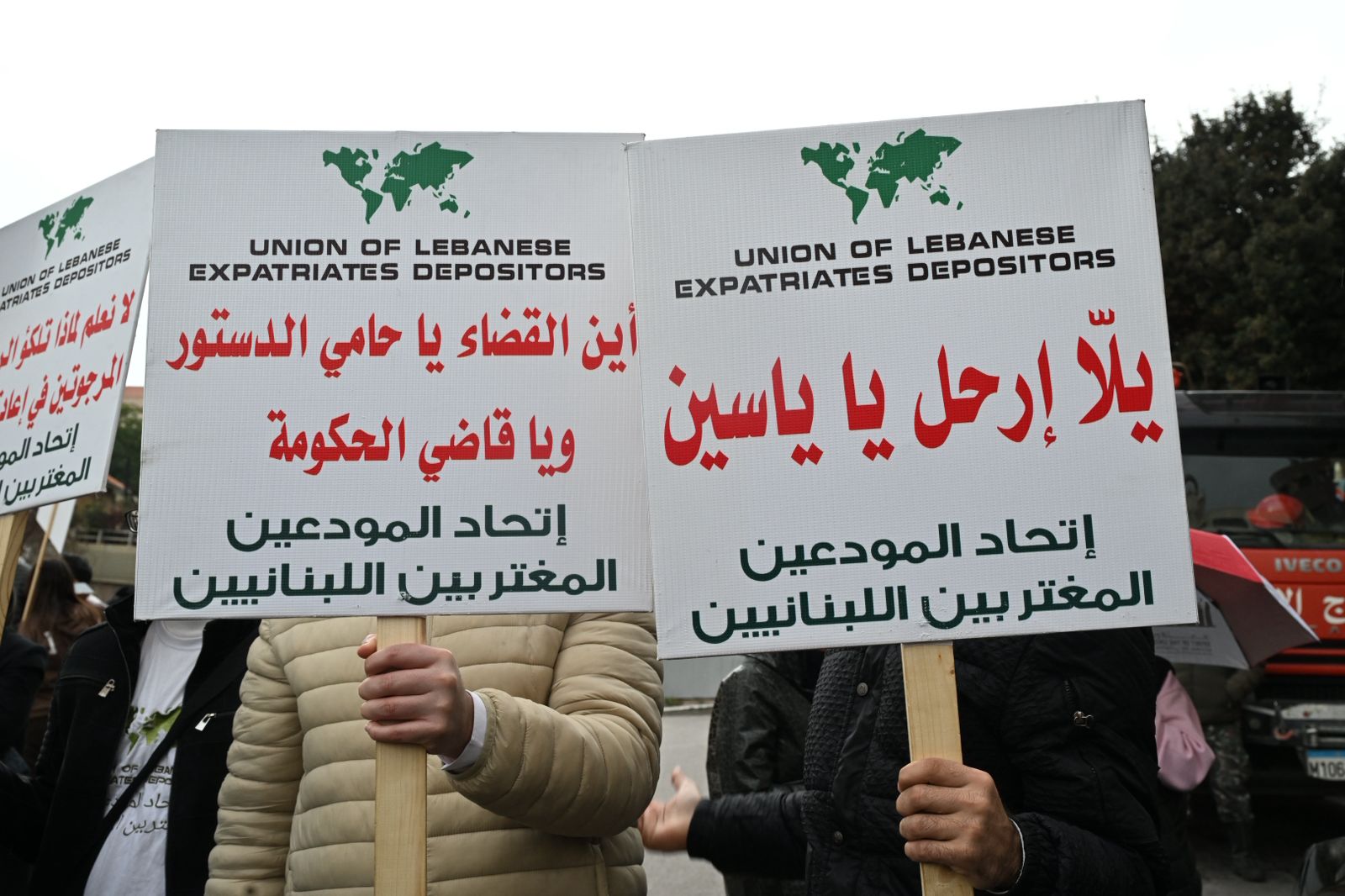
For the first time since the onset of Lebanon’s financial crisis, a comprehensive Financial Gap Draft Law has been proposed to address the sector’s collapse. Largely aligned with International Monetary Fund requirements, it provides the clearest legislative framework to date for loss distribution and the restructuring of the financial sector.
Banks argue that the draft has significant shortcomings, particularly the absence of a transparent definition of the financial gap at the Central Bank of Lebanon, the failure to address the state’s direct and indirect responsibility for the crisis, and the omission of the Central Bank’s potential contribution through the liquidation of part of its assets.
They warn that this approach jeopardizes depositors’ rights, undermines confidence in the banking sector, and adds further risks to financial stability, while suggesting that part of the gold reserves be used to provide the necessary liquidity.
The Central Bank of Lebanon, which participated in the discussions and acted as an advisor to the government by providing available data, is also not fully satisfied with the draft law in its current form.
العلامات الدالة
الأكثر قراءة