

Lebanon
11-12-2025 | 13:32
Key steps to eradicate health illiteracy in Lebanon
In an age of abundant information, health illiteracy remains one of the most persistent barriers to effective care and community well-being.


 Messenger
 Whatsapp
 Threads
 Email
Email
 Print
Print
 X
X
 Facebook
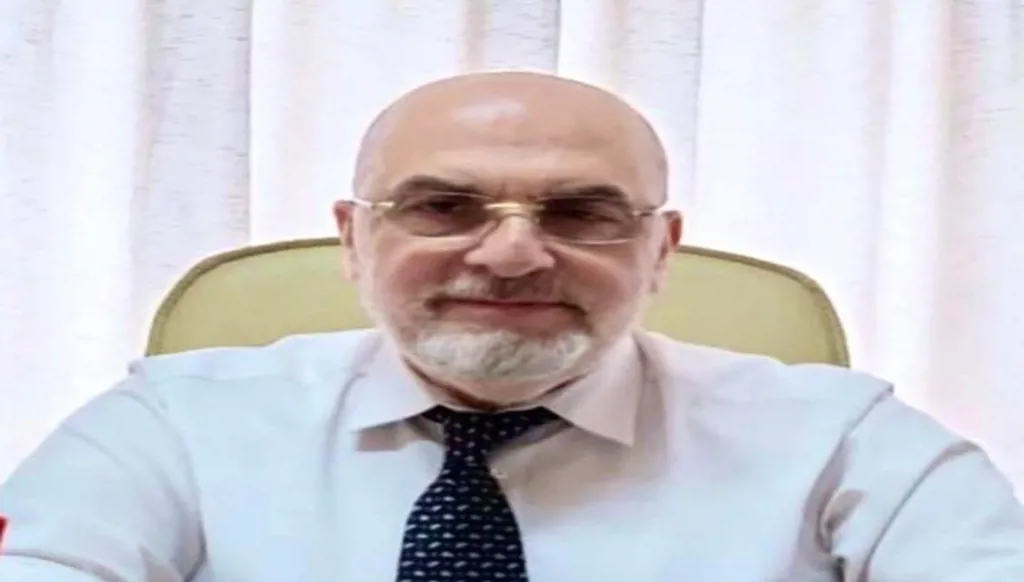
Dr. Nabil Kanaan, family medicine specialist (Annahar)


Abir Akiki
To gain a clearer and more scientifically grounded understanding of the issue, we spoke with Dr. Nabil Kanaan, a specialist in family medicine, who outlined for An-Nahar the key measures required to eliminate medical and health illiteracy.
Medical rumors and home remedies
Health illiteracy goes beyond unfamiliarity with medical terminology. It is reflected in individuals' susceptibility to believing rumors and misinformation, especially on social media.
This reality contributes to the exacerbation of chronic diseases and increases hesitancy to receive vaccines or adhere to medically verified treatments.
Among the most common manifestations of health illiteracy are the use of home remedies that lack scientific basis, such as:
● Applying toothpaste to burns.
● Placing potato slices and vinegar on the affected area.
● Using lemon juice and onions to soothe insect bites.
In this context, Dr. Kanaan emphasizes that “primitive home remedies remain a problem in Lebanon, as in many societies worldwide,” explaining that “social media has been a double-edged sword —on one hand highlighting the dangers of these remedies, and on the other promoting foreign practices that may be even more hazardous.”
Lebanon: between traditional and modern approaches to health literacy
Kanaan explains that “the fundamental difference between communities lies in the adherence of some to family and tribal traditions, as opposed to other categories of people that are more open and in tune with scientific developments.” He adds: “In Lebanon, we find both models, and traditional communities are not necessarily limited to rural areas; they can also be found in cities.”
In fact, Kanaan believes that “the persistence of these practices is due to the influence of older generations and their adherence to what they consider to be successful experiences.”
Nonetheless, Dr. Kanaan notes that the impact of these practices on health illiteracy has gradually declined in recent years, “as grandparents, who were previously the source of these remedies, are now more educated and keep up with global changes, including medical developments.”
5 steps towards a strong health culture
When asked how to promote a health culture and reduce inappropriate self-medication, Dr. Kanaan stresses that: “A health culture plays a key role in explaining the importance of rational medical practice and the dangers of primitive practices, and improving it has a direct impact on the physical, mental, and social health of society.” In this context, he suggests five key steps:
1. Introducing correct medical concepts into school curricula.
2. Launching educational programs through traditional and digital media under the supervision of medical specialists.
3. Organizing field meetings between doctors and individuals in cities and rural areas.
4. Training doctors to simplify medical information in clinics.
5. Using social media in a thoughtful manner, while confronting misleading accounts that spread false information.
Awareness as the first line of defense
Given this reality, the role of awareness and clear language in communication between doctors and patients is essential, along with the inclusion of health education in educational curricula. Investing in health literacy is a necessity, not a luxury, for communities seeking to better protect themselves.