Aleppo’s Sheikh Maksoud and Ashrafiyah: Inside Syria’s contested Kurdish districts


 Messenger
 Whatsapp
 Threads
 Email
Email
 Print
Print
 X
X
 Facebook
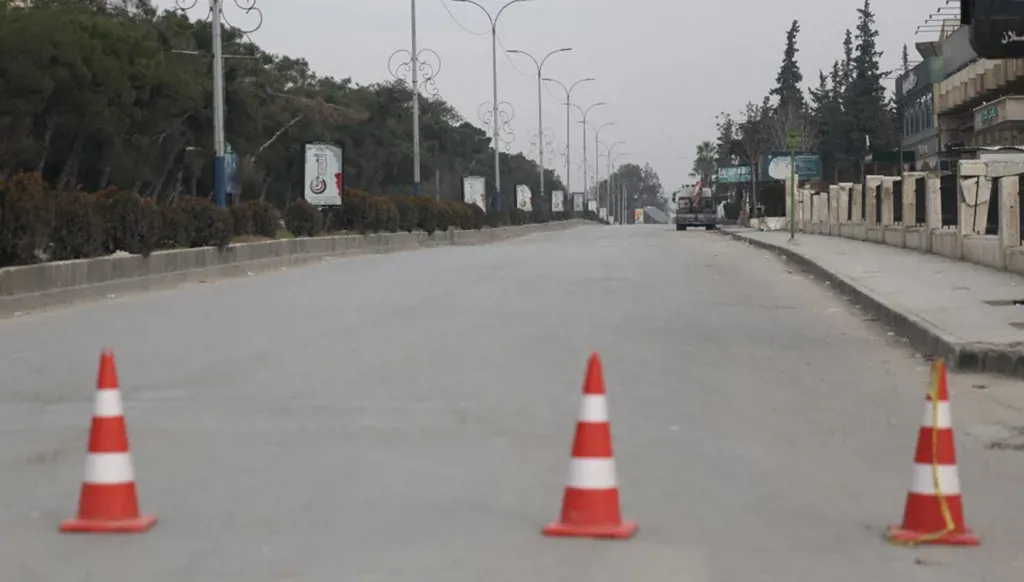


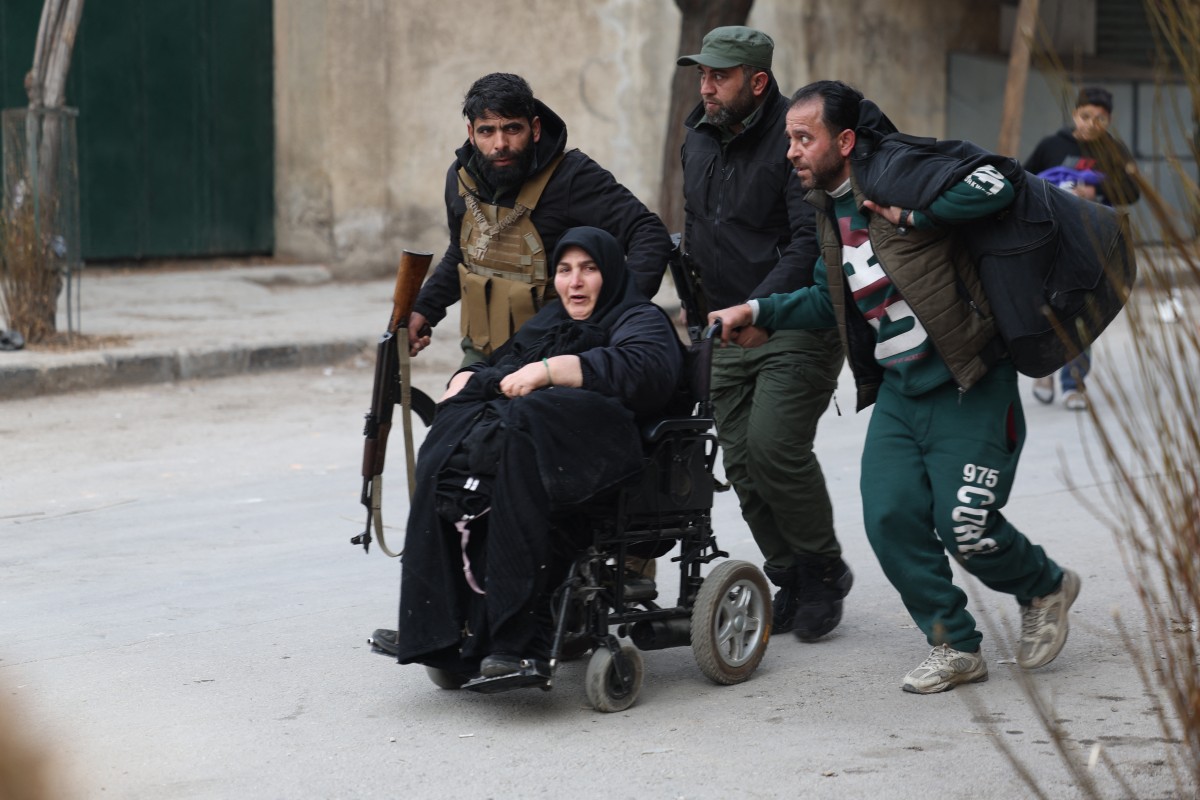
The districts of Sheikh Maksoud and Ashrafiyah in Aleppo have been in the spotlight in recent days due to intense clashes between the Syrian army and the Syrian Democratic Forces (SDF) fighters. The confrontation ended with the Syrian government regaining control of the districts, a ceasefire being established, and Kurdish fighters allowed to withdraw toward the northeast.
What's the story behind Sheikh Maksoud and Ashrafiyah neighborhoods?
Sheikh Maksoud and Ashrafiyah are two of Aleppo’s most prominent neighborhoods. Sheikh Maqsoud alone is one of the largest in the city, covering an area of roughly 4,000 square meters. Together, the districts are home to around 200,000 residents, the majority of whom are Kurds, alongside a smaller number of Arab inhabitants.
Before the latest operation, the SDF controlled Sheikh Maqsoud and Ashrafiyeh, which are considered a separate enclave, distinct from their main areas of control in northeast Syria.
A Historically Christian Area
Originally, these districts were not Kurdish but Christian, inhabited by Christians, Armenians, and Assyrians. The area was once known as the Mount of Our Lady, in reference to the Virgin Mary. Over time, however, Kurds from Aleppo’s northern and eastern countryside—particularly Afrin, Jindires, and Kobani—moved here in search of a better life closer to the city. The massive influx of Kurds gave the region a Kurdish character.
The Naming of Sheikh Maksoud
After the Kurds settled in the city and built a mosque named after a Kurdish Sufi sheikh, Sheikh Maksoud, the area gradually became known as the Sheikh Maksoud neighborhood during the 1970s. The neighboring Ashrafiyah district emerged around the same time as an informal extension of the Christian Syriac neighborhood.
A Controversial Relationship with the Assad Regime
In 2004, the Qamishli events took place, during which Syrian Kurds rose up. Clashes erupted in the Sheikh Maqsoud and Ashrafiyeh neighborhoods between Kurdish party leaders and the security forces of Bashar al-Assad’s regime.
After the outbreak of the Syrian revolution in 2011, the Syrian regime sought to keep the Kurds out of the uprising and the broader popular movement. As a result, it handed over control of the two districts to the Kurdish self-administration, until the SDF forces eventually took over the area.
After 2016, the SDF collaborated with Assad’s forces, Hezbollah, and the Iranian Revolutionary Guard, following their takeover of eastern Aleppo and the Sunni Arab cities and villages in Aleppo’s northern countryside.
After the Fall
Following the Battle of Aleppo during the "Deterrence of Aggression" operation—which ultimately led to Assad’s downfall—and after the Syrian army withdrew from the province, the SDF sought to take advantage of the ensuing chaos to expand its territorial control, sparking clashes in the area.
After the new Syrian authorities came to power, the SDF’s general commander, Mazloum Abdi, traveled to Damascus and reached an agreement with Syrian President Ahmad al-Sharaa, known as the March 10 Agreement. The deal called for the integration of the northeastern region into Syria and the incorporation of Kurdish forces into the Syrian army. However, the agreement was never implemented, and delays continue to this day.