


 Messenger
 Whatsapp
 Threads
 Email
Email
 Print
Print
 X
X
 Facebook
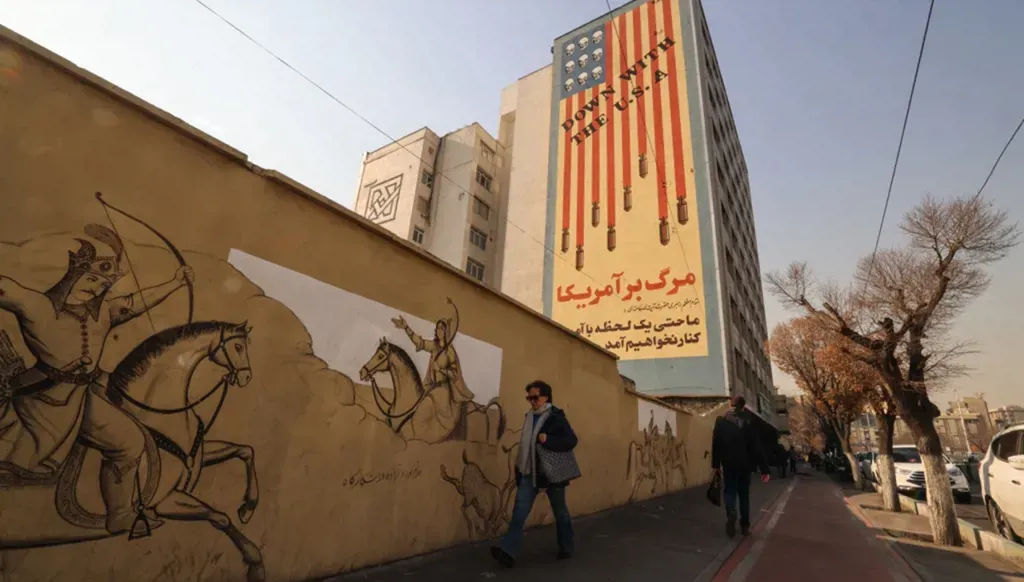


In recent days, U.S. President Donald Trump twice warned the Iranian government that the United States would intervene to "save" protesters if they were killed.
Several Iranian cities, including Tehran, have witnessed protests since December 28th, with casualties reported. The severe economic decline, including the collapse of the Iranian rial and rising inflation rates, sparked these protests.
Trump first wrote on his Truth Social account: "If Iran fires on peaceful protesters and kills them violently—which is its custom—the United States will come to their rescue." He added, "We are ready to act."
When Trump reiterated a few days later that he would deliver a harsh blow to Iran if the killing of protesters continued, Iranian officials took the matter seriously and responded to his statements while intensifying the handling of protests internally. Iranian Judiciary Chief Gholamhossein Mohseni Eje'i even formally called for a no-mercy policy towards the protesters, citing Trump and Israeli Prime Minister Benjamin Netanyahu's support for the "troublemakers" as a reason for this hardline approach.
Before that, the U.S. Department of State had commented on the protests, demanding that Tehran respect the rights of the Iranian people and halt the repression.
Iranian Reactions
Iranian reactions to Trump's threats can be classified into three levels: official officials, elites and experts, and the public through social media.
1- Official Reactions
On the official level, Iranian reactions were reflected through a series of statements by current and former officials in the political, security, and judiciary state institutions, including Supreme Leader's advisor Ali Shamkhani, Foreign Minister Abbas Araqchi, along with Parliament Speaker Mohammad Bagher Ghalibaf, and former ministers like Mostafa Pourmohammadi and Mohammad Mokhber, in addition to Mohammad Javad Zarif and Mohsen Rezaee. The statements also included Public Prosecutor Mohammad Javad Mohammadi Azad, chairman of the National Security Committee in the Parliament Ebrahim Azizi, chairman of the Expediency Discernment Council Sadeq Amoli Larijani, and Saeed Jalili, one of the prominent critics of the Masoud Barzikian government and a member of the same council.
Despite the varying positions and political backgrounds of these individuals, they all condemned Trump's threats, affirming Iran's readiness to respond to any potential American action. These statements reflected a serious approach within official circles towards the threats, not viewing them merely as rhetorical propaganda.
2- Reactions of Elites and Experts
At this level, most elites and researchers did not welcome Trump's threats. Although they criticized the Islamic Republic and defended the people's right to protest, they deemed U.S. intervention could harm the protesters and exacerbate the situation.
International law expert Reza Nasri said, "Trump's goal is to create an atmosphere allowing Mossad sleeper cells, Mujahideen-e-Khalq, and monarchists to appear among protesters and fire on security forces, justifying military intervention. He wants Iranians to kill each other. This is a model for civil war to turn Iran into Libya."
Azar Mansouri, Secretary-General of the Nation's Union Party and head of Iran's Reform Front, said: "Protesting is a people's right rooted in legitimate demands and must be listened to. We sympathize with the protesters and do not see repression as a solution, but strongly reject any foreign intervention because it harms peaceful protests."
Former Culture Minister residing in London, Ataollah Mohajerani, said, "Trump threatened Iran with an attack to support the protests. Attacking by America is like Nebuchadnezzar’s last arrow. It will bounce back to hit his body." Tehran University professor known for his critical stances against Islamic Republic policies, and repeatedly sentenced, Sadegh Zibakalam wrote: "I cannot stand by Trump and Netanyahu."
3- The Public and Social Media
Ordinary citizens express their opinions on social media. Monitoring their interactions shows that despite dissatisfaction with the economic situation and Islamic Republic policies, the reaction to Trump's threats was negative, with the hashtag "#ترامپ_غلط_کرد" (#America_Wronged) spreading, considering potential intervention harmful to the protesters.
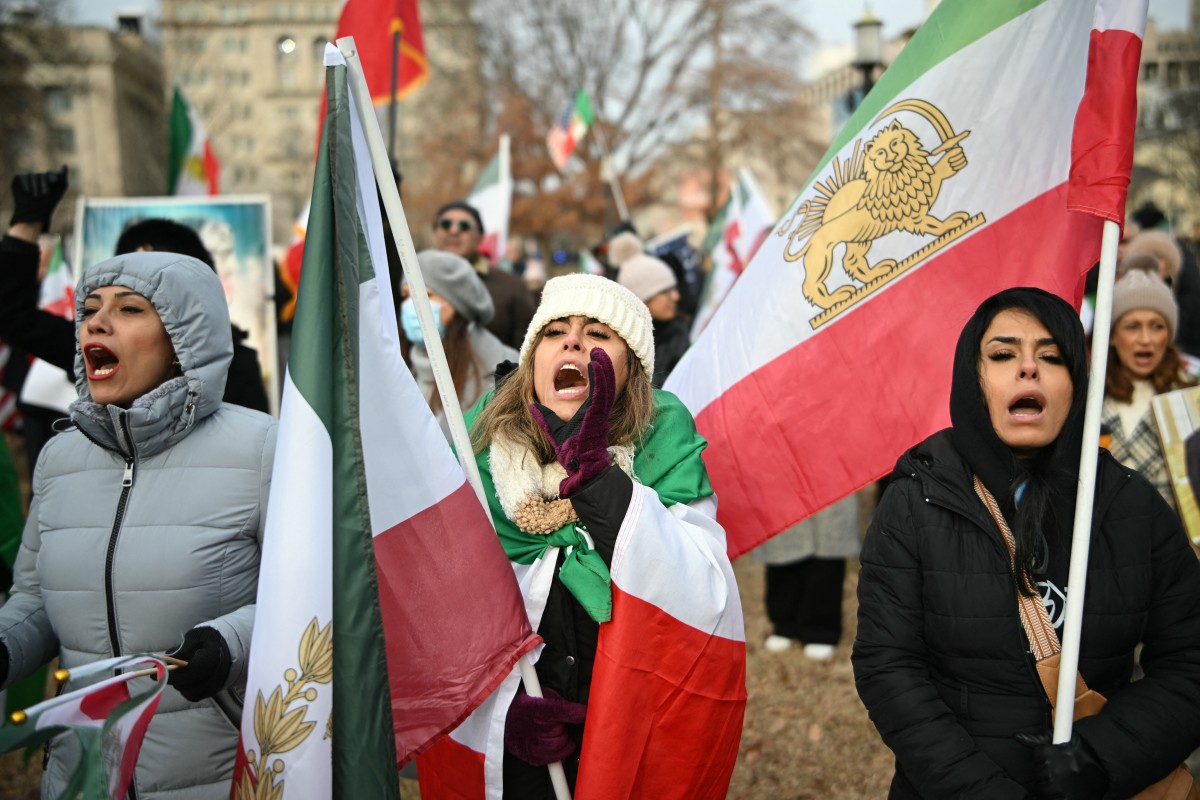
However, a small group sees the anger at the regime as justifying any means to change it, including external intervention, which includes monarchists and supporters of Reza Pahlavi, son of the former Shah of Iran.
They consider, based on their writings, that "Trump's presidency is an unmissable opportunity to save Iran. With this number of executioners and criminals in the Islamic Republic, with the illusion 'Blood prevails over the sword', and without help, we'll be stuck in this quagmire for many more years. These bloodthirsty understand only the language of force."
Thus, opinions varied between those who see in Trump's threats an opportunity to save Iranians, and those who consider U.S. policy towards Iran always relies on "incitement and threat before appearing as an imaginary savior," recalling the history of previous U.S. interventions in Iran and the region.
In conclusion, it seems the Trump administration, if serious about carrying out its threats, won't be heavily influenced by supporters or opponents within Iran, especially considering any potential U.S. actions and their form remain unclear for now.