

The Gulf’s model of stability: Confronting chaos with development


 Messenger
 Whatsapp
 Threads
 Email
Email
 Print
Print
 X
X
 Facebook
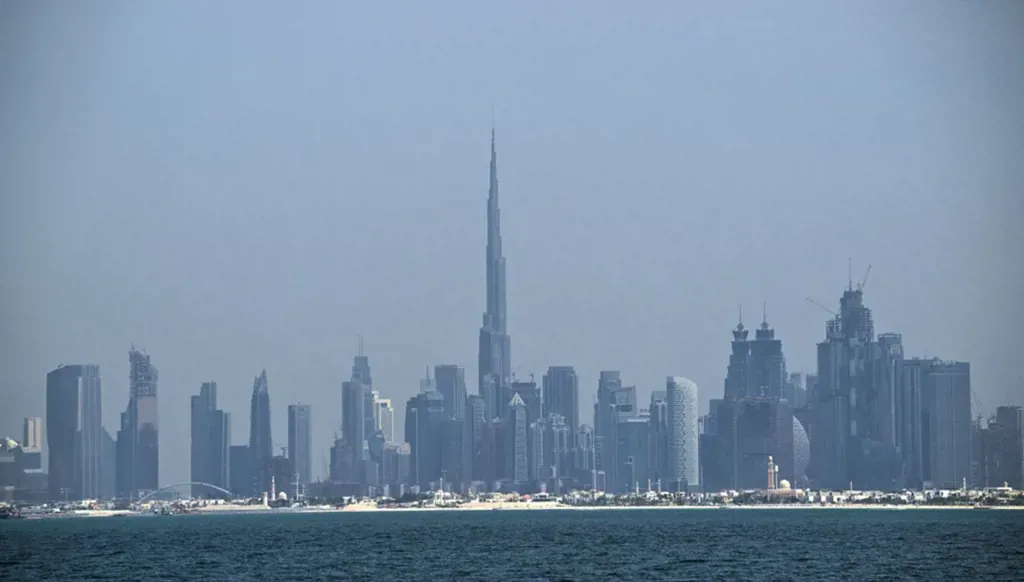


Every time the Gulf countries face attacks or threats that affect their security and stability, the same question arises: what does Iran truly seek through these policies? And does Tehran realize that such actions could produce results completely opposite to its goals, perhaps even deepening its isolation and pushing the region to unite further against it?
The Gulf countries have established their regional and international standing not through conflicts, military adventures, or militias, but through a completely different model based on development, construction, stability, and economic openness. Over the past decades, the Gulf states—Saudi Arabia, the United Arab Emirates, Qatar, Kuwait, Bahrain, and Oman—have transformed into global economic and financial hubs, as well as platforms for trade, investment, energy, and services.
The Gulf has become a space of hope and opportunity for millions of people, both Arabs and non-Arabs from different continents, not just its own citizens.
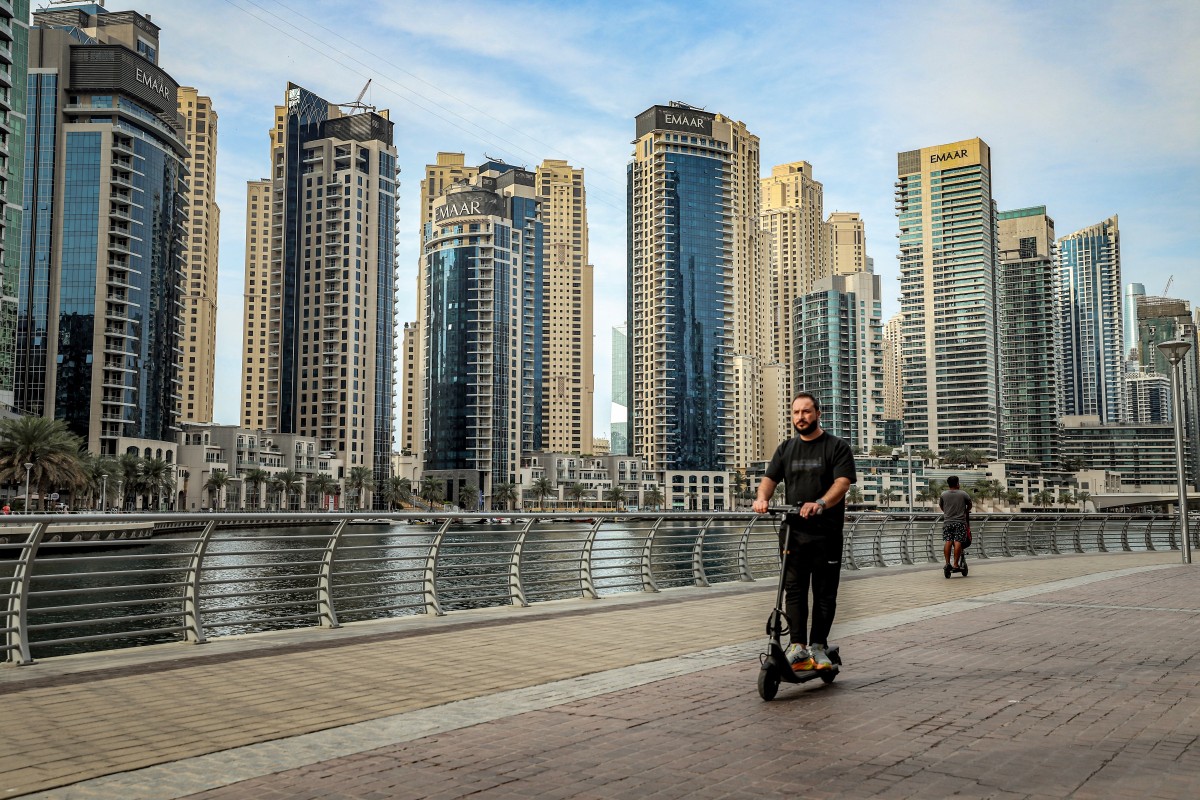
Targeting the Gulf region does not only threaten geographic borders or economic facilities; it also challenges a civilizational project built on development, stability, and prosperity.
This project has never been limited to the citizens of these countries alone. Its benefits extend to everyone living and working in the region. Millions of residents from various nationalities have found in the Gulf a safe environment to pursue their professional and personal aspirations and to build a better future for their families.
Perhaps this is what makes any attack on the Gulf states more than a conventional act of aggression. It becomes a strike against a successful regional model. While large parts of the Middle East struggle with conflict and instability, the Gulf countries have offered a different example—one based on political stability, economic development, and investment in people, infrastructure, and education.
The pressing question is: what could Iran possibly gain by trying to undermine this model?
It is difficult to imagine that such policies could strengthen its influence or improve its image regionally or globally. On the contrary, they push the Gulf states toward greater coordination and political and security cooperation. They also reinforce the international understanding that protecting the Gulf’s stability is essential for the stability of the global economy.
The Arabian Gulf is not just a geographic region; it is a vital artery for the global economy and a key corridor for energy and international trade. Any threat to its security directly affects the interests of countries worldwide. For this reason, the international community closely monitors any escalation in the region.
This concern has been reflected at the United Nations, where the Security Council adopted a resolution condemning Iranian attacks on the Gulf states. Such a resolution is not only a political statement but also a reflection of growing international recognition that the Gulf’s security and stability are not merely regional issues—they are matters that affect the entire world.
The stability of the Gulf is not just a regional interest; it is a shared humanitarian and economic value. It provides employment for millions, supports the stability of energy markets, and serves as a bridge for cooperation between East and West. Defending the security of the Gulf states is, at its core, defending a broader idea.
In conclusion, no project based on tension, conflict, and militias can compete with a project founded on development, stability, and opportunity. Perhaps this is the clearest lesson that the Gulf states’ experience over recent decades offers to the region.
Political Researcher and Advisor
Disclaimer: The opinions expressed by the writers are their own and do not necessarily represent the views of Annahar