

Iran’s grip on Hormuz challenges U.S. strength and global markets


 Messenger
 Whatsapp
 Threads
 Email
Email
 Print
Print
 X
X
 Facebook
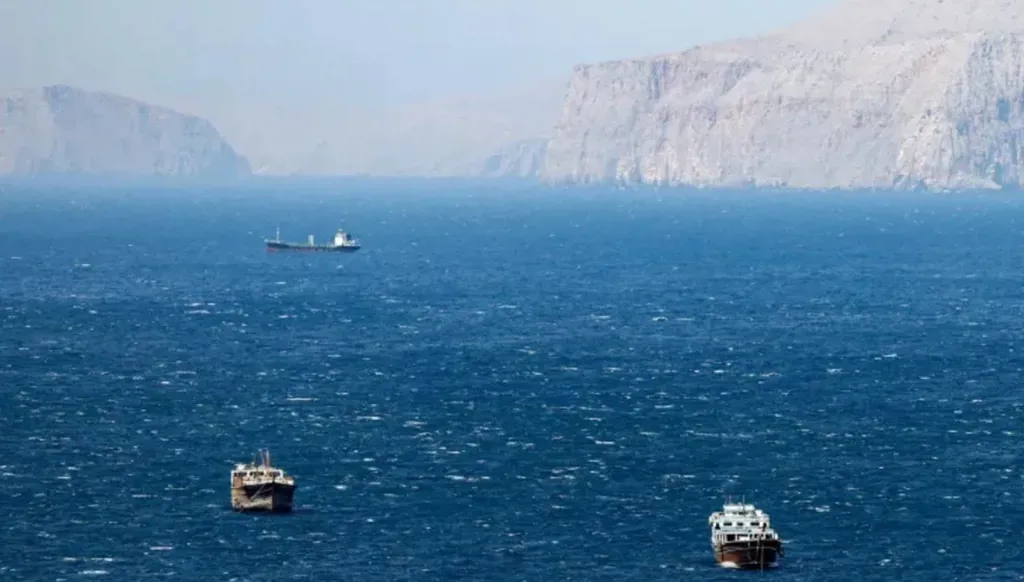


It does not seem that U.S. President Donald Trump, when he decided to wage war on Iran twelve days ago in coordination with Israel, had taken into account that the Iranian regime would resort to using energy as a weapon in this war in two ways: by attacking oil and civilian infrastructure in the Arab Gulf states, and by closing the Strait of Hormuz to navigation, causing the largest oil and gas shock in history, with catastrophic consequences for the global economy.
Perhaps Trump, obsessed with the Venezuelan model, believed that Iran would not be able to survive or retaliate after the shock of killing Supreme Leader Ali Khamenei along with about fifty of the highest political and military leaders. The damage caused by the Iranian response to the Gulf states, in terms of the global economy, is not comparable to the attacks targeting U.S. and Israeli bases. Iranian Foreign Minister Abbas Araghchi tweeted on Monday: "On the ninth day of 'Epic Fury', oil prices have doubled, and the prices of other goods have soared."
Iran holding the fate of the Strait of Hormuz has become a turning point in the war, while Trump remains uncertain about how to confront this crisis, which has surged to the top of global concerns, affects every country in the world, and threatens to undermine all the military achievements he claims to have made, from destroying Iran’s nuclear reactors, missile and drone factories, to about sixty warships.
The energy shock is pushing Trump to consider shortening the duration of the war, and he has begun laying the groundwork for this by saying that there are no more targets left for the U.S. military to destroy in its campaign, and therefore he may soon declare the war over. The aim of this statement is to calm prices, which fell on Tuesday from 120 dollars per barrel of oil to below 90 dollars, only to jump back above 100 on Wednesday after the Iranian Revolutionary Guard threatened to push the price per barrel to 200 dollars, and then followed this threat by attacking two oil tankers in the Iraqi port of Al-Faw. Previously, fuel tanks had caught fire in Salalah, Oman, although Tehran denied responsibility for that incident. In addition, the Iranian navy has laid mines in the Strait of Hormuz and threatened to close another strait if the United States escalates its attacks on Iran.
This situation sends a serious message that Iran is indeed capable of putting the global economy under direct pressure, while Trump remains hesitant to make a decision to escort oil tankers and other shipments, which are over a thousand, through the waters of the Gulf.
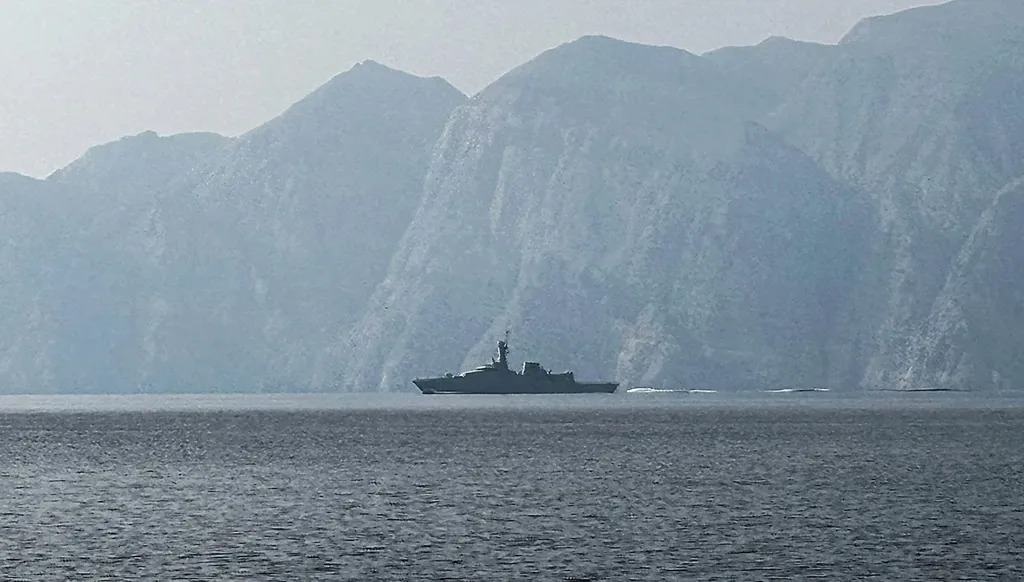
America’s response to Iran’s expanded attacks in the Gulf and its closure of the Strait of Hormuz remains limited. For example, the White House is considering lifting sanctions on Russian oil sales and continues to assert that the war will not last long. U.S. Energy Secretary Chris Wright said that Trump approved the release of 172 million barrels from the strategic reserve starting next week. This came after the International Energy Agency, which includes the world’s major oil-consuming countries, recommended releasing 400 million barrels from global strategic reserves.
According to a Reuters report on Wednesday, “behind the scenes, frustration is growing in the capitals of Gulf Arab states because they have been drawn into a war they neither started nor supported, yet they are now bearing its economic and military costs, with airports, hotels, ports, and military and oil facilities being hit by Iranian strikes.” Will this push Gulf states to diversify their security and foreign partnerships after the war?
Beyond the issue of oil itself, Iran’s success in severely disrupting the global economy represents a test of the limits of U.S. power in protecting international navigation through the world’s most vital energy artery. This point was emphasized by the UN Security Council’s decision on Wednesday, which called on Iran to “immediately halt” its attacks on Gulf countries and not to obstruct international navigation in the Strait of Hormuz.
Disclaimer: The opinions expressed by the writers are their own and do not necessarily represent the views of Annahar