

Two battles at the core of Lebanese elections: Postponement and the 16th district



 Messenger
 Whatsapp
 Threads
 Email
Email
 Print
Print
 X
X
 Facebook
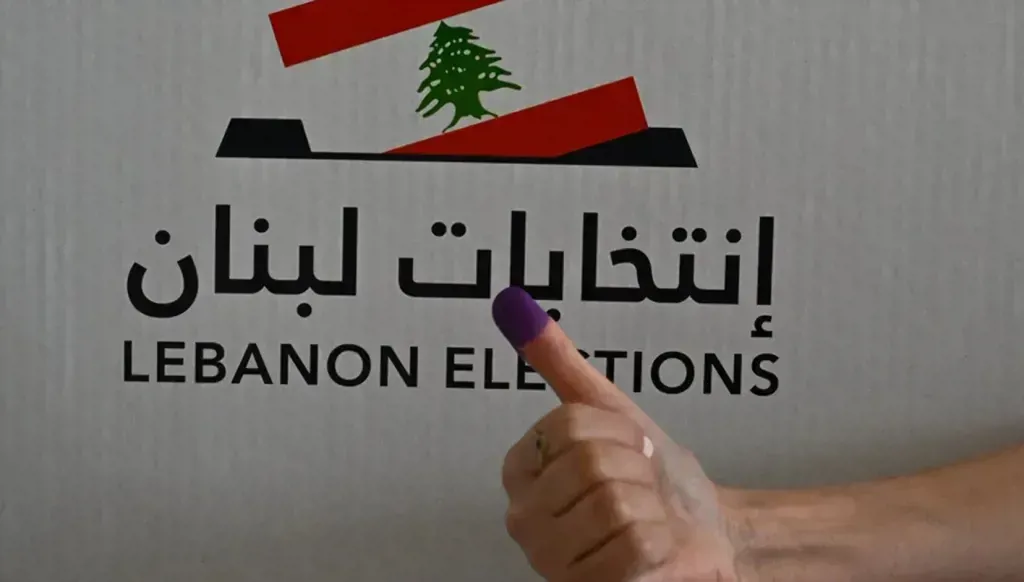


Most candidates who have submitted applications for the Ministry of Interior in recent weeks belonged to the blocs of Speaker Nabih Berri and Hezbollah, indicating that the Shiite "duo" seeks to proceed as if elections will continue on schedule.
If elections remain unmoved, March 10 will be the deadline for receiving nominations according to Minister Ahmad Al-Hajjar's circular. Shiite enthusiasm for the elections has its reasons, but major party parliamentary blocs are slowly following suit, preparing their applications and quietly rolling out nominations.
Some parties will present more than one candidate for the same seat in the district, to avoid any problems in drafting the lists or replacing alliances. In the last elections, 1,044 candidates came forward, 719 of whom were accepted to join lists.
In the absence of a clear electoral vision, the Legislative and Consultative Authority has stressed that all expatriate voters vote in a proposed 16th district, even though a significant number of registrants prefer to vote according to their districts of former residence, which would give them an impact on all 128 seats in parliament. There are currently 150,000 registered expatriate voters, with data suggesting that a majority of the group are Christian.
Speaker Nabih Berri and PM Nawaf Salam have voiced support for the creation of a 16th district, but the road to its passage remains blocked between the House of Representatives and the Council of Ministers. A former Interior Minister says that if the non-binding opinion of the Advisory Authority is accepted and expatriates vote for all 128 seats, appeals before the Constitutional Council, whose decisions are binding, may lead to the entire electoral process being overturned. This would make the extension of parliament more complicated when its term ends on May 21.
The electoral law has turned into a ping-pong match between the parties, most of whom prioritize personal interests over the will of the people. A growing number are quietly pushing for postponement, despite public assurances that they favor elections taking place on time.
Many politicians had previously promised that they would not continue even a single day beyond their mandate.
Observers note that objectors to the scheduled elections seek to deny the "duo" any electoral victories which might give them added influence in the financial gap law or Hezbollah disarmament. Postponement would also allow the Lebanese political sphere to see the outcome of US-Iran negotiations before investing in an intensive election season. With the launch of the first missile, the elections would be threatened regardless.
Disclaimer: The opinions expressed by the writers are their own and do not necessarily represent the views of Annahar