

Israel seeks direct talks with Lebanon, sidelines UNIFIL


 Messenger
 Whatsapp
 Threads
 Email
Email
 Print
Print
 X
X
 Facebook
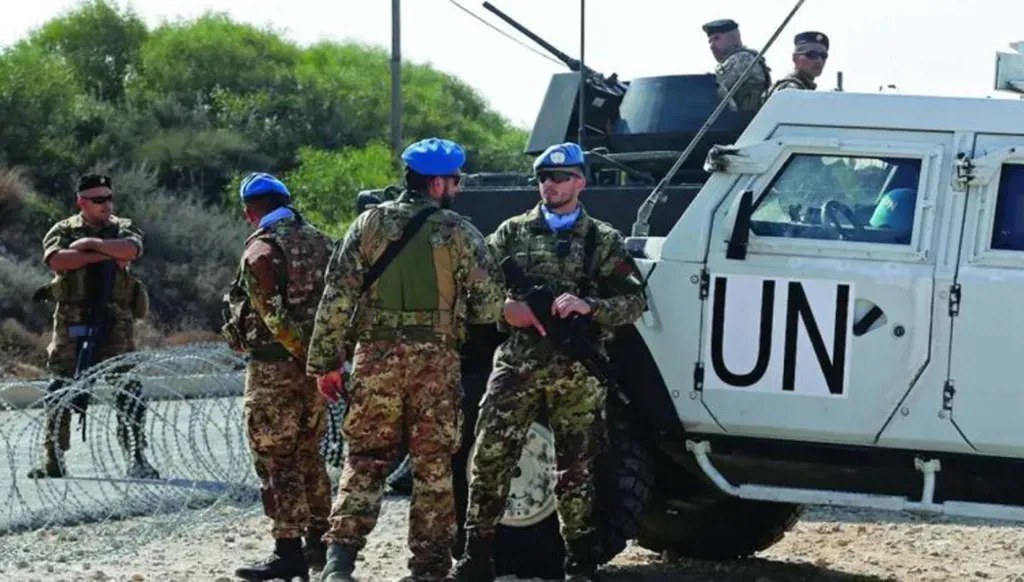


In a development rife with strategic implications, the Israeli Broadcasting Authority reported that leaders of the Israeli army have informed the Lebanese army that they prefer “direct dealings” with it, without the presence of representatives from the international force operating in southern Lebanon (UNIFIL). They consider the presence of this force “more harmful than beneficial,” noting that UNIFIL has become increasingly confrontational toward the Israeli army and Israel itself.
Why is Israeli hostility toward UNIFIL increasing, less than ten months before the end of its mandate?
It is no secret that relations between Israel and UNIFIL have been tense since the start of the Gaza support war; however, following Hezbollah and Israel's ceasefire agreement, the UN force has insisted on documenting daily Israeli violations. UNIFIL explicitly considers the continued Israeli occupation of parts of southern Lebanon (the Five Hills) as an obstacle to fully implementing the agreement’s terms. Despite this, Israel had not, until recently, called for the complete “marginalization” of UNIFIL monitoring staff.
The call for a direct coordination mechanism between the Israeli and Lebanese armies breaks a tradition established since the 1949 armistice agreement and the arrival of the international force in southern Lebanon—first in 1978, and later in its second iteration in the summer of 2006. Traditionally, this force has acted as an intermediary between the two sides, holding periodic meetings at its headquarters in Naqoura and opening communication during moments of conflict and tension.
Unsurprisingly, Lebanese officials promptly rejected Israel’s unexpected proposal. Fadi Alameh, Chairman of the Parliamentary Foreign Affairs Committee, affirmed, “Lebanon is committed to international resolutions concerning the situation in the south, foremost among them Resolution 1701. We support UNIFIL as the only internationally legitimate monitoring body overseeing the implementation of this resolution and safeguarding Lebanon’s rights. Therefore, we are not concerned with Israel’s demands, and we do not even entertain the possibility of considering them."
MP Kassem Hachem told Annahar: “We were not surprised by the Israeli statements, because Israel, which is intensifying its aggression on Lebanese soil, wants us to submit to its will, follow its wishes, and remove all barriers of hostility, paving the way for direct contact at all levels.”
He added: “Israel opposed the renewal of UNIFIL because it wants to operate alone on the ground, without any overseeing or monitoring body. Its hostility toward UNIFIL has grown because, even if the force does not play a deterrent role, it has not remained silent about Israel’s crimes and violations of international law. We must also remember that Israel has long sought to make us accept forms of direct contact at any level, aiming to remove all obstacles to future normalization—especially since it informed us long ago that it is no longer satisfied with all previous agreements, including the armistice agreement.”
Disclaimer: The opinions expressed by the writers are their own and do not necessarily represent the views of Annahar.