

Geneva talks: Last chance to avert a new Middle East war


 Messenger
 Whatsapp
 Threads
 Email
Email
 Print
Print
 X
X
 Facebook
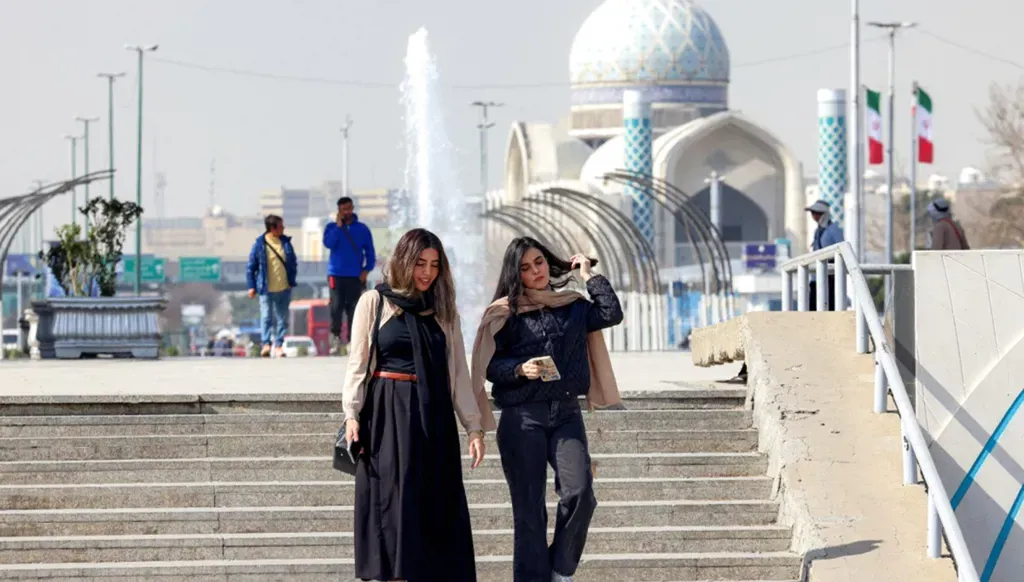


A warlike atmosphere that has prevailed in recent days accelerating the decision to set Thursday as the date for the third round of indirect negotiations between the United States and Iran in Geneva. The round represents a crossroads between two divergent paths, either laying the groundwork for de-escalation or starting the countdown to an explosion.
On the shores of Lake Geneva, it will become clear whether the two sides are ready to accommodate the red lines each has drawn for the other, or cling ever tighter to them even if the cost is the outbreak of war.
Iranian President Masoud Pezeshkian pointed to encouraging signs, while stressing readiness for any possible scenario. Iranian Foreign Minister Abbas Araghchi noted that reaching a quick agreement is still possible, while at the same time declaring that his country would respond by bombing US bases in the region if it were attacked. Supreme Leader Ali Khamenei assigned responsibilities to officials and outlined alternatives in the event that war breaks out and leaders are targeted for assassination.
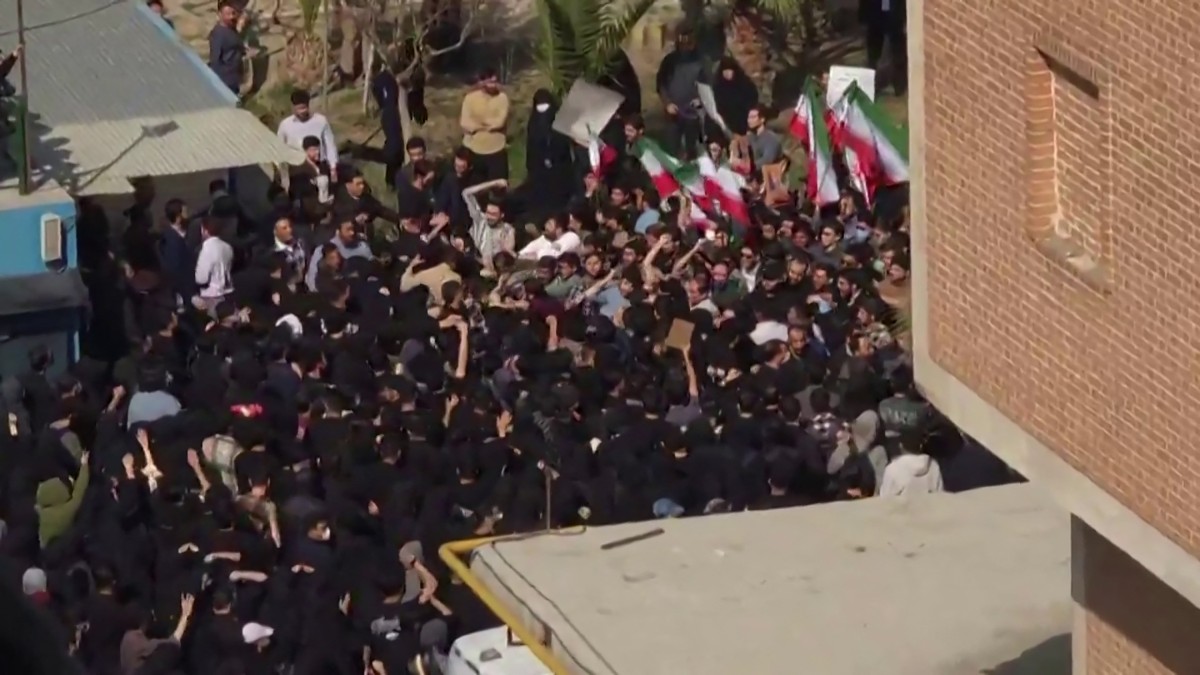
Meanwhile, the renewed protests on Sunday at universities in Tehran and Mashhad paint a picture of a situation that remains marked by internal anxiety.
Between the language of diplomacy and that of confrontation, Reuters revealed that Iran has offered new concessions regarding its nuclear program in an effort to reach an agreement, on the condition that it includes the lifting of economic sanctions and recognition of Tehran’s right to enrich uranium for peaceful purposes, as permitted to member states by the International Atomic Energy Agency.
This concession aligns with remarks attributed on Saturday to a US official, who said that President Donald Trump might agree to symbolic and limited enrichment for Iran that would not allow it to reach levels enabling it to obtain fissile material. Such a formula could allow the US president to emerge with an agreement far stronger than the 2015 deal concluded by the P5+1 group with Tehran during the term of former Democratic President Barack Obama. For Trump, it would mean a great deal to announce that he has reached a stronger agreement than the one achieved by the Democrats.
In a sign of new flexibility from the American side, the news website Axios reported that Washington is prepared to conclude a temporary nuclear agreement with Iran before finalizing a comprehensive deal. However, Iranian Foreign Ministry spokesperson Esmaeil Baghaei said that this claim “has no basis whatsoever.”
In any case, if the report is accurate, it would mean that the US administration and the Iranian government are now, amid mutual threats, negotiating the detailed aspects of a temporary agreement aimed at de-escalation. In this context, it is worth noting that the Omani mediator, Foreign Minister Badr Al Busaidi, who will relay the exchanged proposals in Geneva, spoke of a positive push and final touches toward an agreement.
Thursday’s round falls within the ten to fifteen days that President Donald Trump has set as a final opportunity for diplomacy before, in his words, "very bad things happen." The threat's specificity is lacking, but Iran still has reason to worry.
Disclaimer: The opinions expressed by the writers are their own and do not necessarily represent the views of Annahar.