

The narrowing window in US Iran nuclear talks
War may hang in the balance of the latest round of talks in Geneva. Open confrontation could prove incredibly costly.


 Messenger
 Whatsapp
 Threads
 Email
Email
 Print
Print
 X
X
 Facebook


Negotiations between Washington and Tehran have entered a more delicate phase. The room for maneuver has narrowed, and the need to build solid agreements that reduce the risk of war has grown. Some experts the author spoke with believe that war is imminent unless talks reach a conclusion in this next round of talks. President Donald Trump has set a window of 10 to 15 days to reach an understanding and has warned that he may launch a limited strike if the process stalls.
In a television interview, US Special Envoy for the Middle East Steve Witkoff said that Trump is asking why Iran has not surrendered under pressure. Iranian President Masoud Pezeshkian, for his part, stated that his country will not yield to pressure, reinforcing a domestic red line that limits his negotiating flexibility.
This war of words reveals a complex and dual negotiation structure, where parties pursue diplomacy behind closed doors and voice bellicose escalation to the cameras.
At the heart of the dispute, from Washington’s perspective, is the issue of stopping uranium enrichment. The United States wants to prevent Iran from reaching the threshold of nuclear weapons capability, while Tehran seeks tangible economic relief and recognition of its right to the peaceful use of nuclear energy.
Within this divergence of views, it was notable that Iranian Foreign Minister Abbas Araghchi stated that the demand for zero enrichment was not raised in the Geneva talks, while also announcing that an Iranian proposal will be finalized within a few days to be presented to the leadership.
The decisive factor in the anticipated Iranian proposal will not be general promises, which Trump may not consider credible and might even interpret as part of a prolonged maneuver. Rather, it will be a practical plan to address the stockpile of highly enriched uranium by reducing enrichment levels or converting part of it into less sensitive forms. It would also need to include a clear production and time limit, restrictions on the operation of advanced centrifuges within frameworks open to inspection, and expanded verification measures through more frequent visits and increased transparency at specific sites.
If Iran presents such a package, it will shape the American response. That response could include a gradual lifting of economic sanctions, reopening financial channels with the international banking system, granting licenses for foreign companies to operate more flexibly in Iran, or limited exemptions related to oil and energy. It could also involve an automatic snapback mechanism in the event of a breach of the agreement within a timetable agreed upon by Washington and Tehran.
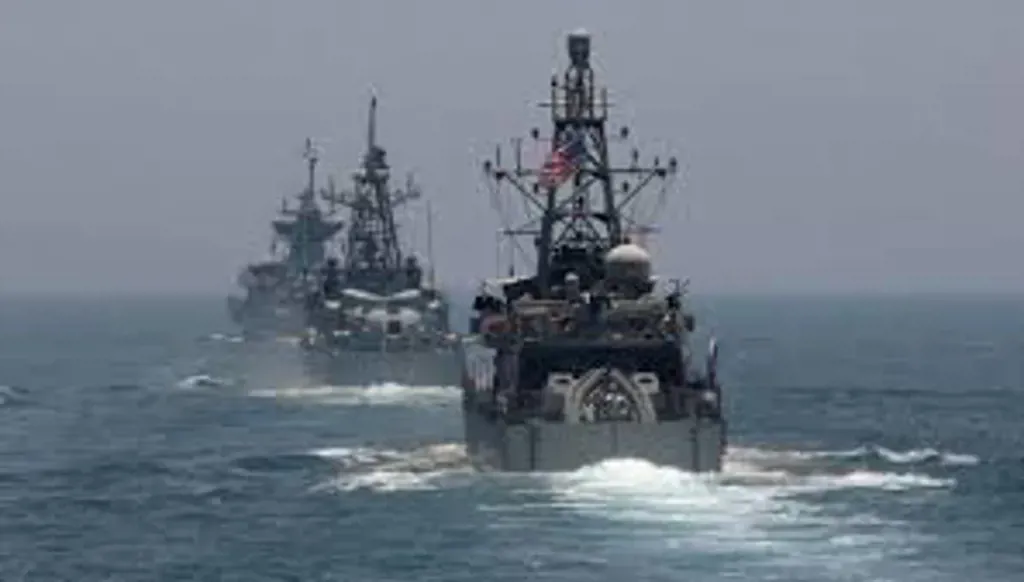
The success of the next round of talks would help reduce the risk of naval confrontation and establish rules to prevent clashes, sending calming signals to energy markets. Failure, however, would signal that Trump’s deadline has shifted from a tool of pressure to an instrument of escalation, with direct consequences for energy, the economy, and security. For this reason, the broader Middle East and the Gulf region in particular have a strong interest in consolidating a serious negotiating track that produces tangible and durable results and makes resolving other outstanding issues more achievable.
Disclaimer: The opinions expressed by the writers are their own and do not necessarily represent the views of Annahar.