

Nouri al-Maliki’s comeback: Iraq caught between Tehran, Washington, and the Gulf
The nomination of Iraq’s former prime minister may pull the country closer to Iran, threatening to embroil Iraq in any potential conflict with the United States.


 Messenger
 Whatsapp
 Threads
 Email
Email
 Print
Print
 X
X
 Facebook
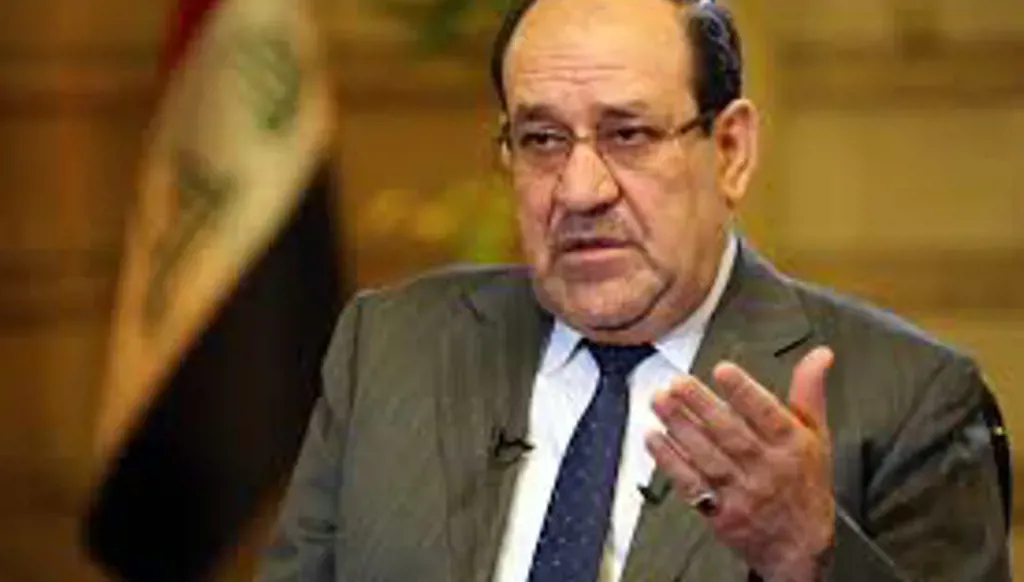


I recently reconnected with an Iraqi friend I hadn’t seen in several months. He approaches politics with a calm, impartial mind, free from emotional bias. Although he comes from a prominent family with deep roots in both political and religious leadership, he consistently chooses not to participate in political or party activities, preferring instead to observe from a distance.
During our conversation, my dear friend expressed concern about Iraq's future and its foreign relations, particularly with the Gulf Cooperation Council countries, as the possibility of U.S.-Israeli military strikes on Iran loom. His worries were heightened by the nomination of Nouri al-Maliki as Prime Minister by the "Coordinating Framework." Al-Maliki maintains strong ties with Tehran and allied militias, and his relations with the Gulf capitals have often been tense.
Nouri al-Maliki's nomination comes at a time when Tehran is seeking to consolidate its influence through its Iraqi allies, while Washington is tightening its demands regarding the composition and responsibilities of the next government, particularly concerning armed groups. Although Iran maintains a good relationship with outgoing Prime Minister Mohammed Shia’ al-Sudani, it does not see him as its preferred candidate. Al-Sudani has pursued policies aimed at bringing Baghdad closer to its Arab sphere, especially the Gulf states, fostering balanced ties with the new regime in Damascus, and curbing armed militias from targeting U.S. forces.
Washington’s position on the upcoming changes in Baghdad became clear when President Donald Trump warned that Iraq "could make a grave mistake by reappointing Nouri al-Maliki as Prime Minister." He added that "under al-Maliki’s leadership, the country descended into widespread poverty and chaos," and stressed that "this must not happen again due to his extreme policies and ideologies." Trump further declared that "if he is elected, the United States will withhold all assistance from Iraq."
This American stance put pressure on Nouri al-Maliki, yet he refused to withdraw his candidacy. Meanwhile, the "Coordinating Framework" reaffirmed its support for him, despite the cautious or opposing positions of some key figures who have so far avoided public confrontation. These include Ammar al-Hakim, head of the "National Wisdom Movement"; Qais al-Khazali, Secretary General of "Asa’ib Ahl al-Haq"; and the "Victory Alliance" led by former Prime Minister Haider al-Abadi, who emphasized in a statement the need to "prioritize the public interest, establish stability, and address crises with rationality and responsibility, in line with the severe challenges facing our country and people."
Amid these tensions, Nouri al-Maliki met with Joshua Harris, the Acting U.S. Ambassador in Baghdad, in what appeared to be an effort to reassure Washington, aiming to secure the premiership without jeopardizing U.S. support for Baghdad.
The insistence on nominating al-Maliki suggests that the leaders of the "Coordinating Framework" are still struggling to manage internal differences or to interpret regional developments with a long-term political perspective. It also reflects their continued reliance on the "quota system," which has caused significant losses for Iraq, undermined security and development, and hindered the process of state-building.
Disclaimer: The opinions expressed by the writers are their own and do not necessarily represent the views of Annahar.