

Putin’s dilemma: Why Moscow hesitates to join Trump’s global peace initiative



 Messenger
 Whatsapp
 Threads
 Email
Email
 Print
Print
 X
X
 Facebook
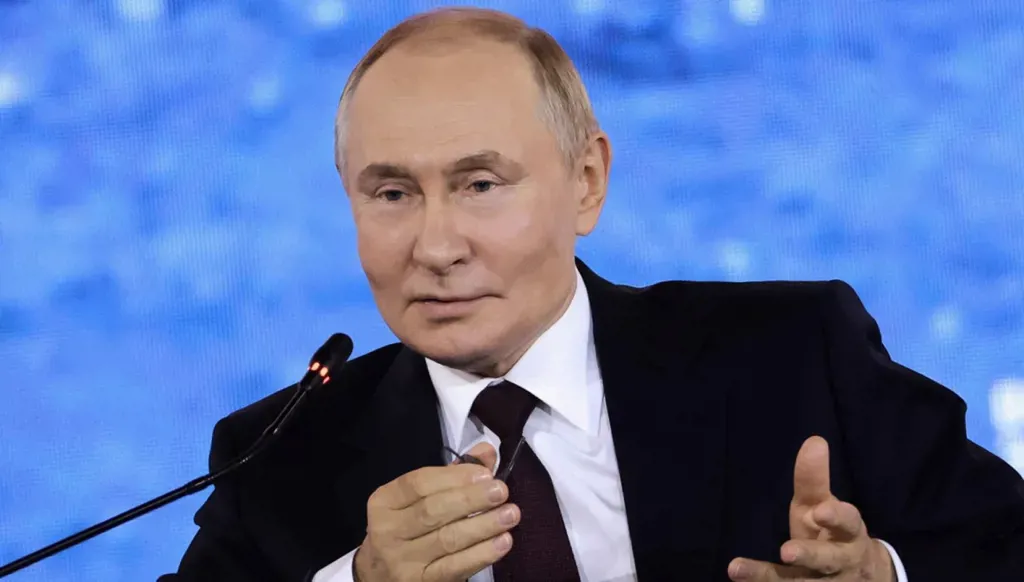


"He was invited, and he accepted the invitation." U.S. President Donald Trump quickly claimed that Russian President Vladimir Putin had accepted an invitation to join the "Peace Council," only for Putin to promptly issue a non-definitive denial.
He informed the Russian Security Council that the Ministry of Foreign Affairs is still reviewing the proposal and will respond in due course. The absence of clear incentives for accepting the invitation largely explains Russia's hesitation.
On Potential Gains
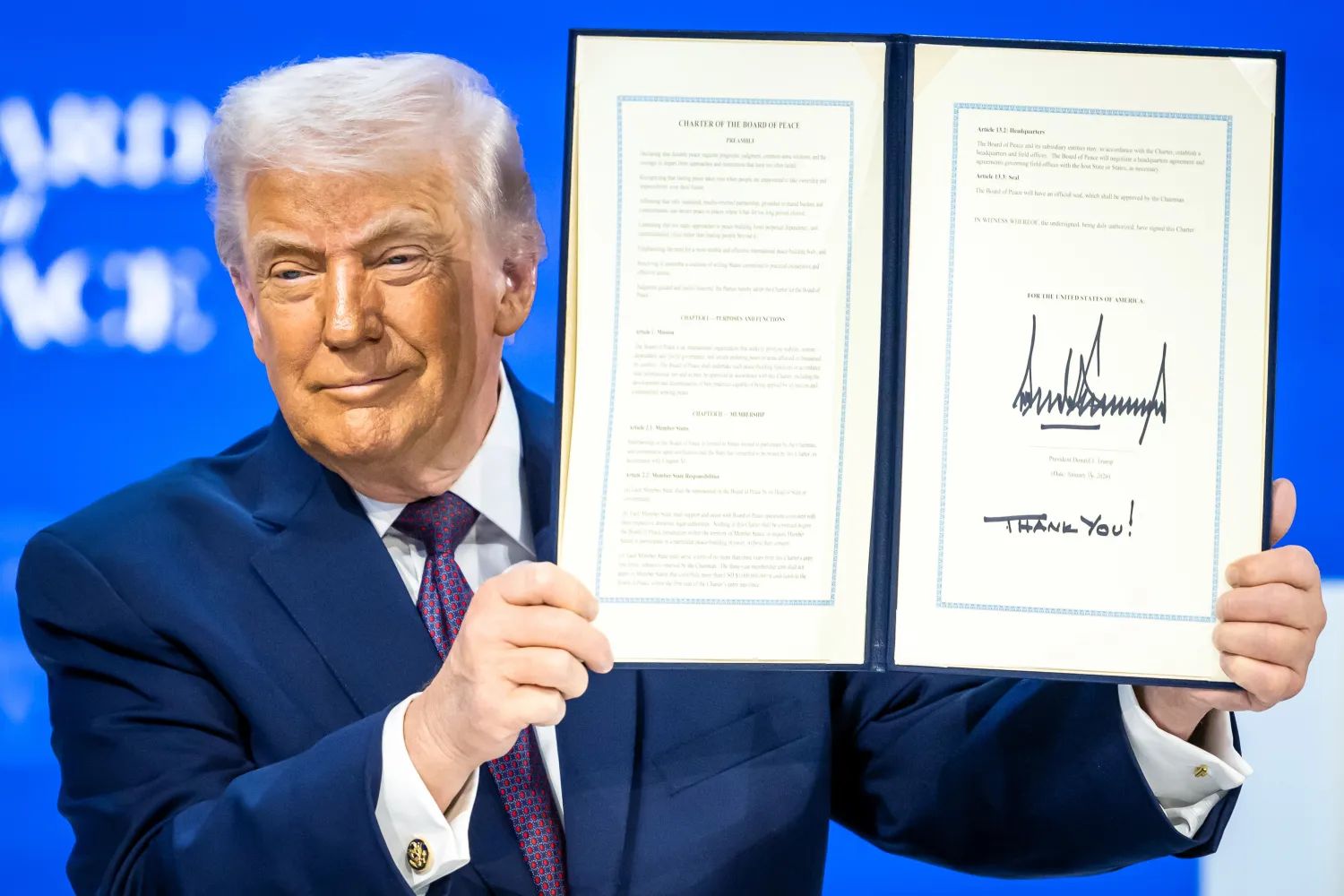
Joining the new council aligns with Moscow’s interests, as it reflects Trump’s apparent disregard for the United Nations and, potentially, its legitimacy. Although the U.S. president initially indicated that the two bodies would collaborate on global peace efforts, he later retracted this in an interview with a journalist. At the very least, Trump’s council undermines the image of the international body, long regarded as one of America’s post-World War II achievements. Putin harbors deep grievances over the "lack of justice" in the international system since the fall of the Soviet Union. If the United States were to address this imbalance, even inadvertently, Trump’s initiative would theoretically be welcomed.
At the same time, Putin still relies on the United States to intensify pressure on Ukraine. Kyiv continues to resist relinquishing territories that the Russian army struggles to control in Donbas, making Russia’s campaign both difficult and costly. With Ukrainian President Volodymyr Zelensky declining to join the council due to the possible inclusion of Russia, Putin could secure greater advantages from Trump if he accepts the invitation.
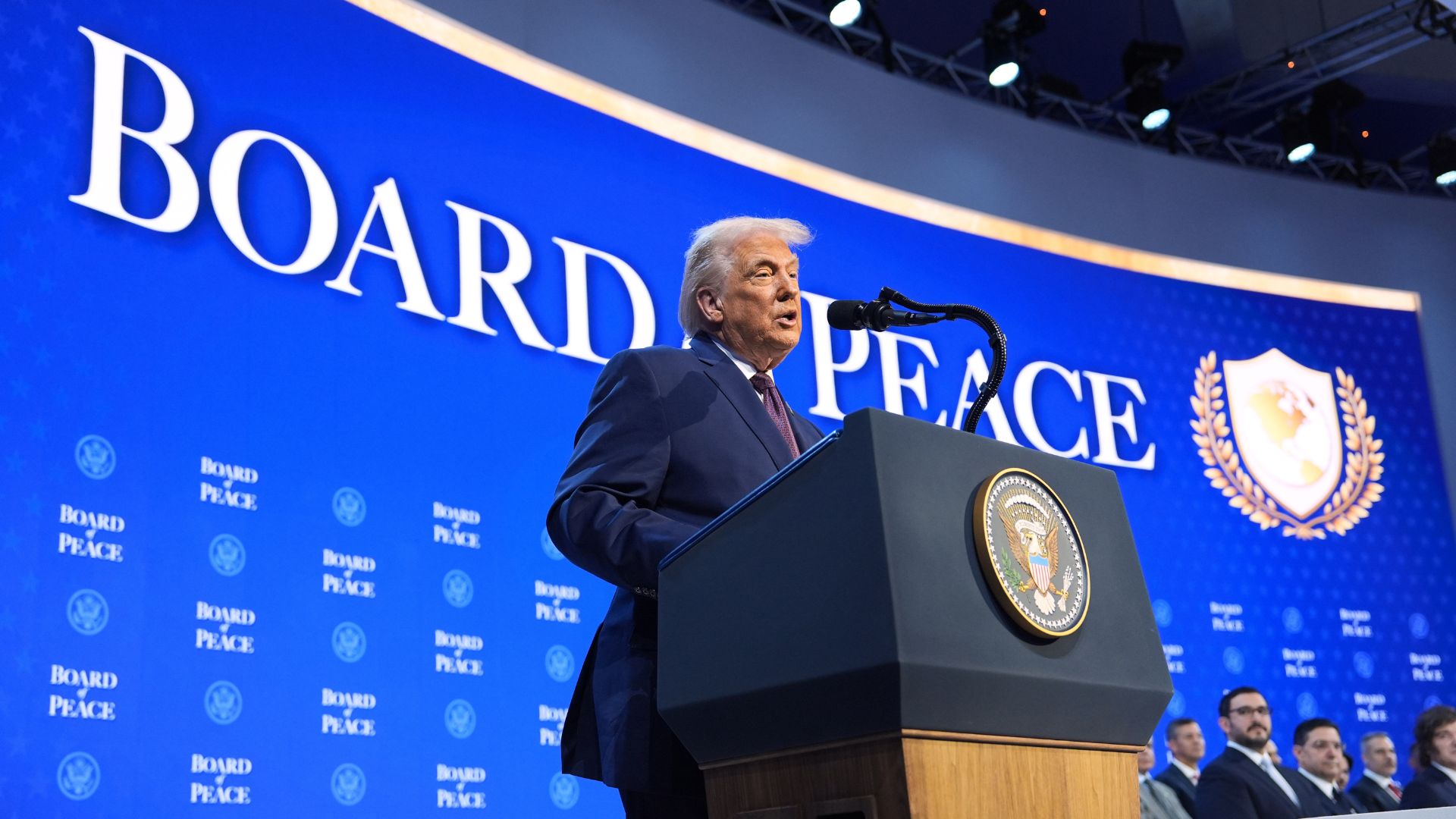
The council presents an opportunity for Russia to further exploit divisions within the West, especially as some traditional allies, notably the United Kingdom and France, have declined to participate. Why then would Russia decline such an opportunity?
A Series of Obstacles
In the early stages of the previous U.S. election campaign, Putin repeatedly indicated a preference for former President Joe Biden to win a second term, citing his consistent and "predictable" behavior. Perversely, these remarks served as an endorsement of Trump, insulating him from Democratic accusations of favoring Russia. However, once Trump assumed the presidency, Russia quickly experienced the unpredictability of American presidential decision-making.
The "Peace Council" was initially intended to resolve the tragedy in Gaza, but it has evolved into a body aimed at addressing global tensions. Whether all these issues will receive equal attention—or if priorities will be determined by the preferences of the council’s president—remains a major uncertainty for Russia.
It is true that Trump’s behavior has harmed his Western allies, but it has been no less damaging to Russia itself. Targeting Moscow’s allies—from Iran to Venezuela—and imposing minor tariffs on India over its purchase of Russian oil have significantly hurt the Kremlin. Similarly, if the forced acquisition of Greenland divides the West, it would certainly pose a direct threat to Russian national security, especially if the U.S. expands its military presence on the island, which seems inevitable. Even worse, if Trump reaches a settlement regarding the island, Russia would be the first to lose. Would joining the Council be a way to institutionalize Trump’s behavior—or at least understand it? There are many reasons for skepticism.
Russia sees little benefit in joining a global council dominated by a lifelong Trump presidency. To address the "imbalance" in the international system, Russia aims to be an equal pole alongside the United States, not a subordinate. In fact, a retired Russian diplomat told the British Sunday Times: "We have spent years arguing that we have a special place in the world, yet America is offering us the chance to contribute to yet another Trump vanity project."
It is highly likely that Russia will wait to see how its major partner, China, responds to the invitation before taking action. Beijing is expected to decline, having consistently emphasized the United Nations’ role as the primary forum for resolving international disputes. The Chinese "Global Times" described the UN as "the most authoritative organization built by humanity after enduring the ravages of war and making enormous sacrifices to avoid conflict and ensure peace."
Even if Moscow’s participation in the council were to draw more American attention to its demands in Ukraine, whether this attention could be translated into pressure forcing Ukraine to accept Russian terms remains uncertain.
The 'Peace Council' may gradually lose its appeal—particularly on issues beyond Palestine—due to the non-participation of China, France, and the UK. Russia now has cover to decline the invitation, joining three other Security Council members.
In short, there are numerous obstacles to Moscow joining the "Peace Council," which partly explains its hesitation. That said, this does not rule out the possibility that Russia could find sufficient incentives to overcome these barriers—a determination that time will ultimately reveal.
Disclaimer: The opinions expressed by the writers are their own and do not necessarily represent the views of Annahar.